
Mass Instruments Calibration Company in Khamis Mushait
Traceable mass calibration for production lines, labs and maintenance teams working in Khamis Mushait and the wider Saudi market.
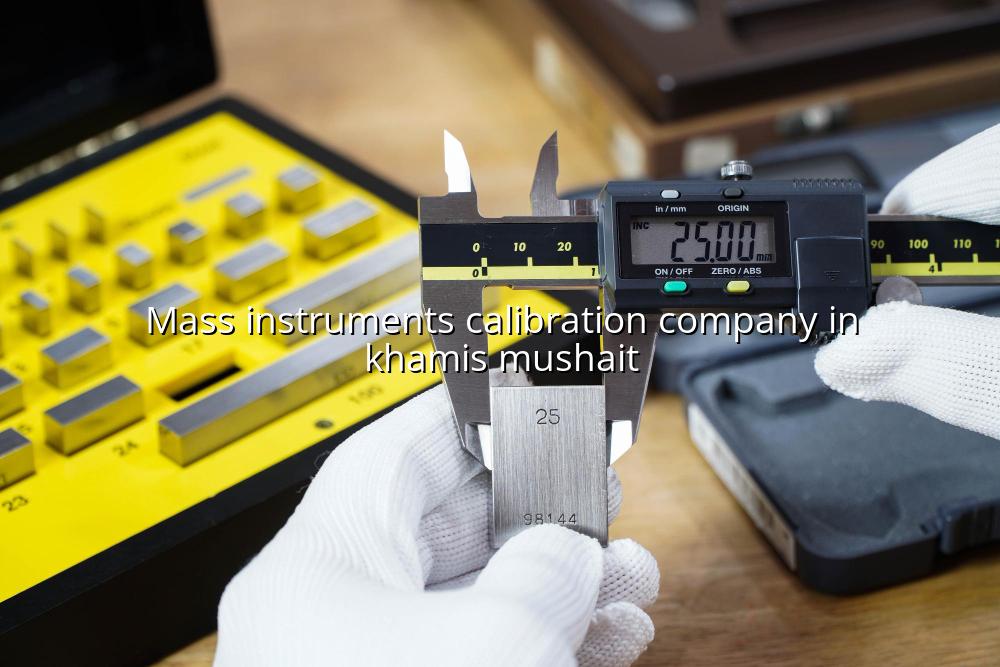
Mass instruments calibration company in Khamis Mushait is the phrase people use when they need weights, balances, and related measuring instruments checked with traceable results they can trust on the shop floor or in a quality lab. If that's your job, this page tells you how to choose the right partner, what the work usually includes, and how we handle it for industrial sites in Saudi Arabia.
We work with maintenance teams, QA managers, and procurement staff who need solid documentation, clean handling, and practical support. In our day-to-day work, the same request comes up again and again: keep production moving while still meeting ISO/IEC 17025:2017 expectations and the audit trail your client expects.
Mass Instruments Calibration Company in Khamis Mushait: what you should expect
Mass calibration is more than putting a weight on a scale and printing a sheet. It starts with the instrument type, the load range, the resolution, the environmental conditions, and the way the equipment is used on site. For a batching plant, warehouse, packing line, or laboratory in Khamis Mushait, that means checking the actual use case instead of sending back a generic certificate that doesn't help when an auditor asks about traceability.
Where the work usually fits
We commonly see platform scales, bench balances, table-top balances, hanging scales, load cells, weighing indicators, and other mass-related instruments used in manufacturing, cold-chain operations, food processing, pharmaceutical stores, and service workshops. Some instruments are best handled in a controlled laboratory. Others are better calibrated onsite, especially when removing a unit would interrupt operations or when the instrument is tied into a process line.
Why traceability matters on the ground
In Saudi industrial sites, traceability is not a paperwork exercise. It helps your team defend production records, reject bad batches early, and show that measurement results came from a controlled process. We follow ISO/IEC 17025:2017 practice for calibration work, and for electrical calibration disciplines we also work within EURAMET CG-15 where relevant. That mix matters when a customer needs more than a stamp; they need a result that makes sense during a real review.
- Confirm the instrument and capacity — we check what you're using, how often it runs, and whether onsite or in-lab handling is the better fit.
- Inspect before calibration — the unit is checked for visible damage, unstable readings, worn parts, and anything that could distort the test.
- Apply known reference masses — we compare readings across the range that matters to your process, not just at one convenient point.
- Record results and pass/fail status — the final output shows the measured performance, deviation where relevant, and the documentation your team can file.
- Ask for calibration across the operating range, not only near full load.
- Keep the instrument clean and level before the visit; dirt and poor setup affect readings.
- Separate routine checks from formal calibration so your team can spot drift early.
- Keep old certificates ready; they're useful when trends or repeat faults need review.
- Plan onsite service for heavy or fixed systems to avoid unnecessary dismantling.
Mass calibration options for Khamis Mushait facilities
| Instrument type | Common site use | Best service mode |
|---|---|---|
| Platform scale | Dispatch, receiving, packing and stock control | Onsite when the unit is fixed or heavily used |
| Bench balance | QA checks, batch preparation and sample weighing | In-lab or onsite, depending on sensitivity |
| Load cell system | Tanks, silos, hoppers and process weighing | Onsite with plant coordination |
| Hanging scale | Fabrication yards, stores and lifting-related checks | Onsite after a quick visual inspection |
What good mass calibration does for your plant
A proper mass calibration programme helps you catch drift before it becomes scrap, rework, or an avoidable customer complaint. In plants around Abha, Khamis Mushait, and the wider Asir region, that's often the difference between a clean monthly review and a messy explanation after the fact. It also helps when a customer wants proof that weighing data came from a disciplined process, not an unchecked instrument sitting in the corner.
Records that actually help your team
What people use most is the certificate, the as-found condition, and the as-left result. If the instrument failed or sat outside tolerance, the maintenance team needs that fact quickly so they can decide on repair, adjustment, or removal from service. A good calibration partner keeps the report readable. No fluff. Just the data your team can act on.
Built for industrial routines
We see the same pressure points across Saudi facilities: dust, vibration, frequent use, and instruments that are shared by more than one shift. That is why our work is geared toward real operating conditions, not a quiet bench-only assumption that never matches the plant floor.
How to choose a mass instruments calibration partner
Traceability
Ask how reference standards are linked and whether the scope fits your instrument class and application.
Onsite capability
Fixed scales, load cells, and production equipment are often better handled where they already operate.
Documentation
Clear results, serial numbers, and status notes save time when QA or a client audit comes around.
Local response
A team that already works in Saudi Arabia understands site access, plant rules, and the pace of industrial shutdowns.
How Mayon Industrial Services Can Help
We support mass calibration requests with onsite work, in-house laboratory handling, and practical scheduling for industrial sites that can't afford guesswork. If your weighing system needs supporting work too, our team can help with mechanical checks, inspection support, repair and maintenance, and related calibration disciplines so the job is handled properly the first time.
Call +91 99447 80844 (India) or +966 59 633 8012 (Saudi Arabia), email services@mayonservices.com, or message us on WhatsApp.
Frequently Asked Questions
Usually it's a plant, lab, warehouse, or service workshop that uses scales, balances, load cells, or related measuring equipment. If the readings affect batch control, shipping weight, acceptance checks, or customer records, calibration should be part of the routine. We see that need a lot in manufacturing, food, cold-chain, and maintenance sites.
Yes, in many cases it can. Fixed scales, production weighing systems, and load-cell installations are often better handled onsite because removing them can disrupt operations. We also have a mobile calibration lab for jobs that need a controlled setup at your location.
Send the instrument type, capacity, serial number if you have it, and where the unit is installed. A photo helps too, especially for platform scales or systems tied into a process line. That lets us decide whether onsite work is the better route and what preparation your team may need.
Yes. We support clients in Saudi Arabia from Dammam Industrial City 2 and work with industrial and cold-chain operations that need traceable measurement support. The same applies to sites across India and the wider Middle East where onsite handling and clear documentation matter.
It gives you a record that the instrument was checked against traceable references and that the result was reviewed. That matters when a customer, QA team, or auditor asks how you know the weighing data was reliable. A clean certificate and clear as-found notes usually save a lot of back-and-forth.
Ready to put your weighing instruments on a proper schedule?
If you need a mass instruments calibration company in Khamis Mushait, we can help you keep records clean, operations steady, and measurement results defensible.
Contact MayonFor plants and labs in Khamis Mushait, the right calibration partner makes daily work easier. You get clearer records, fewer surprises, and a team that understands industrial measurement in Saudi Arabia, not just the theory behind it.