
Mass Instruments Calibration Company in Qassim
Traceable mass and balance calibration for plants, labs, and warehouses across Qassim and the wider Saudi industrial corridor.
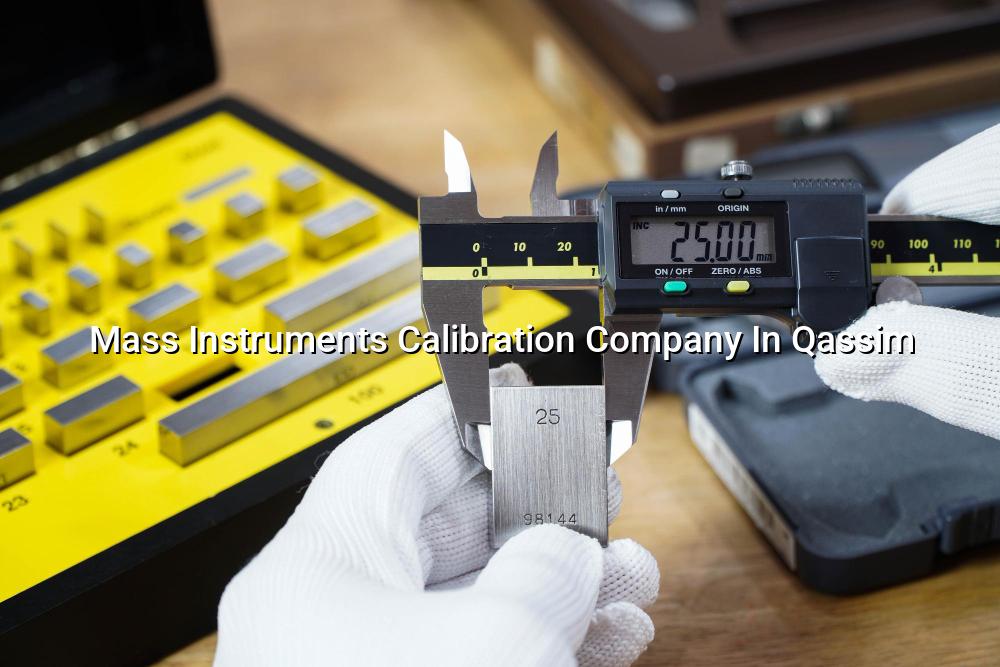
Mass instruments calibration company in Qassim support is about more than a certificate. You need traceable results, clear identification of the instrument, and a team that understands how production stops when weighing data drifts out of tolerance.
We help plants, warehouses, labs, and maintenance teams in Saudi Arabia keep balances, weights, and related mass instruments under control through ISO/IEC 17025:2017 compliant calibration, practical reporting, and onsite or in-lab work where the job needs it. For teams in Buraidah, Unayzah, Al Bukayriyah, and nearby industrial areas, that usually means less guesswork and fewer repeat checks.
Mass Instruments Calibration Company in Qassim for Daily Production Control
Most requests we get around Qassim come from production teams who need the numbers to stay believable. That can be a floor scale on a packing line, a laboratory balance used for formulation, or standard weights used to verify internal checks before an audit. The task is simple to describe, but the details matter: capacity, readability, tolerance class, environmental conditions, and the way the instrument is used every day.
Where mass calibration usually starts
We normally begin with identification and condition review. If a balance sits near vibration, airflow, or a loading dock, we note that because the environment changes the reading even when the instrument itself is healthy. In real jobs, that context helps a maintenance manager decide if the issue is calibration, placement, cleaning, or all three.
Why traceability matters in Saudi plants
Saudi industrial users often want records that line up with ISO/IEC 17025:2017 expectations, and that is fair. If your operation supports food, pharma, logistics, or manufacturing, you need a record that can stand up to an internal quality review. Our lab work and mobile calibration approach are built for that sort of day-to-day accountability, not just a one-line pass/fail note.
- Check the instrument type — we confirm whether it is a balance, weighing scale, test weight, or another mass-related device, then match the method to the job.
- Review site conditions — we look at temperature, vibration, leveling, and the way the instrument is mounted or used.
- Apply verified references — calibrated standards are used to test readings across the range that matters to your process.
- Record and report results — you get traceable data that supports quality control, maintenance logs, and audit files.
- Keep balances away from doors, fans, and forklift traffic when possible.
- Check whether the instrument is used for process control or final verification; the required tolerance can differ.
- Ask for calibration records that show the measured values, not just a stamp.
- For sensitive equipment, use in-lab calibration when site conditions are unstable.
- Keep a simple history of drift, repairs, and rechecks; it helps spot repeat problems early.
Common Mass Instruments and What We Typically Review
| Instrument type | Typical use | Key check points |
|---|---|---|
| Laboratory balance | Formulation, sampling, and small batch work | Readability, repeatability, leveling, zero stability |
| Bench scale | Packaging and dispatch control | Load response, corner error, display stability |
| Platform scale | Warehouse and receiving operations | Full-load behaviour, indicator function, platform condition |
| Standard weights | Internal verification and routine checks | Identification, condition, traceable comparison |
Calibration That Fits the Way Your Site Actually Works
We see a lot of weighing equipment installed in places that were never designed for delicate measurement. A warehouse in an industrial zone, a line beside a mixer, or a lab near a service corridor can all introduce small errors that grow into real production headaches. That is why we pay attention to the environment, not just the display.
Onsite service or lab handling
If the instrument can be checked safely onsite, that saves time and keeps your operation moving. If it needs a controlled setting, our in-house laboratory in Chennai and pick-up and delivery support help keep special-condition instruments protected on the way in and out. For Saudi clients, our regional setup through SMC Engineering Services / Sixfaces Maintenance Co gives practical local access for industrial work in Dammam and nearby markets.
What quality teams usually ask for
They want calibrated results, clear traceability, and a report they can file without chasing the details later. They also want a supplier who understands ISO/IEC 17025:2017, ISO 9001:2015, BS EN standards where inspection interfaces matter, and EURAMET CG-15 for electrical calibration support around the same plant.
What Makes a Good Mass Calibration Record?
A useful record names the instrument, its serial number, the range tested, and the reference used. It should also show the measured values across the points that matter to your process. A simple pass/fail note can help on the shop floor, but it rarely tells the whole story.
For audit teams, the missing piece is often the context around use. A balance may pass at the bench and still struggle when placed near a vibrating mixer. That is where field notes and a careful report earn their keep.
We keep the writing plain on purpose. Maintenance managers, QA teams, and procurement staff should be able to read the certificate and know what was done without guessing at technical language.
Planning Calibration Around Production in Qassim
In practice, the best time for calibration is the window that causes the least disruption to your operation. Some teams prefer to line it up with a shutdown, while others build it into preventive maintenance. Either way, the point is to keep records current without forcing an unnecessary stop.
We also see value in grouping instruments by service area. If you have balances, weights, torque tools, and pressure devices in the same plant, one planned visit can cover more ground than separate calls. That saves admin effort and makes the maintenance calendar easier to manage.
How Mayon Industrial Services Can Help
If you need a mass instruments calibration company in Qassim, we can support the full path from inspection and setup to calibration, reporting, and follow-up checks. Our team also handles related industrial work such as mechanical services, electrical testing, condition monitoring, and lab setup, so you're not coordinating five suppliers for one site problem. When the job needs careful handling, we can arrange the right service route and keep the process practical.
Call +91 99447 80844 (India) or +966 59 633 8012 (Saudi Arabia), email services@mayonservices.com, or message us on WhatsApp.
Frequently Asked Questions
Yes — we support Qassim and the wider Saudi market through industrial service arrangements that fit onsite work and controlled-lab work. If your instrument is used in production, packaging, or quality control, we can review the setup and point you to the right service path. The main thing is getting a traceable result that your team can trust.
We do, when the site conditions and the instrument type make onsite work practical. For sensitive equipment, we may recommend lab handling instead. That choice depends on access, environment, and how critical the measurement is to your process.
Because it gives your records a clear traceability path. If your QA team, customer, or auditor asks how the readings were verified, the method and standards behind the work matter. For industrial users in Saudi Arabia, that traceability is often as important as the calibration itself.
Yes — that is often the sensible way to plan a site visit. Alongside mass calibration, our team can handle mechanical services, condition monitoring, electrical testing and commissioning, inspection work, and lab setup. It reduces repeat mobilization and keeps the site team dealing with one contact instead of several.
Have the instrument list ready with model, serial number, capacity, and where each item is installed. If you know the tolerances or internal inspection limits, share those too. That helps us decide whether onsite calibration, pick-up, or lab handling is the better fit.
Ready to put your weighing equipment back on solid ground?
If your site in Qassim needs clear, traceable mass calibration support, talk to Mayon Industrial Services and we’ll help you choose the right route.
Contact Mayon