
NDT Services Company in Zulfi
Field NDT that helps you catch defects early, document findings clearly, and keep shutdown work under control.
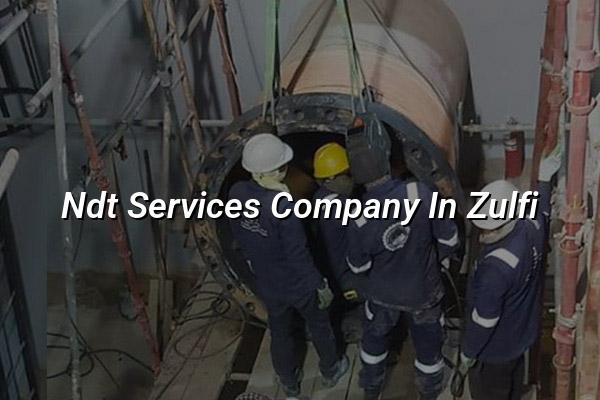
NDT services company in Zulfi searches usually come from a simple need: you want to know what is happening inside a weld, pipe, vessel or structure without cutting it open. We help teams get that answer with field-ready inspection methods, clear reports, and practical findings you can act on before a shutdown turns expensive.
Our work fits the kind of plant environments common across Saudi Arabia, including fabrication yards, maintenance stops, oil and gas packages, power assets, and mechanical systems that need clean records for QA and handover. From Zulfi and nearby industrial sites, we support clients who want traceable inspection data, sensible defect calls, and a team that speaks the language of operations.
NDT Services Company in Zulfi for Field Inspection Work
When a plant asks for non destructive testing, the real question is rarely about the method itself. It is about access, safety, documentation, and whether the result will help maintenance decide the next step. We plan inspections so they fit your work front, which may mean checking weld quality on fabricated piping, verifying surface conditions before coating, or looking for hidden cracks and discontinuities in service-exposed components.
Which methods are usually used?
For most jobs, the mix starts with visual testing, then moves to one or more specialist methods such as ultrasonic testing, radiographic testing, magnetic particle testing, or liquid penetrant testing. Each one answers a different question. UT is useful for internal flaws and thickness checks, RT is chosen where image-based defect review is needed, MT finds surface and near-surface cracks in ferromagnetic parts, and PT helps reveal open-to-surface defects on many metals.
Why does the report matter so much?
A good report is more than a pass or fail sheet. Your QA team needs defect location, method used, acceptance basis, and photos or sketches that make sense during review. In Zulfi and the wider Saudi market, that kind of record is often what closes the loop between fabrication, inspection, and final handover. We keep the language plain and the findings usable, because maintenance engineers do not have time for vague notes.
- Start with the job pack — we review the component type, material, weld map, access points, and any required acceptance standard before anyone heads out.
- Set the inspection route — the team plans which areas need VT, UT, RT, MT, or PT so the work follows a logical sequence.
- Prepare the surface and access — cleaning, marking, lighting, and safe reach points are sorted first, because poor prep wastes time and weakens results.
- Record and verify findings — indications are logged with position references, images where relevant, and clear comments for the client’s QA file.
- Onsite work reduces transport risk for large assemblies and fixed equipment.
- Method selection depends on material, thickness, geometry, and the defect type you are trying to find.
- Visual inspection should always come first; it catches fit-up issues, surface damage, and obvious weld defects.
- Clear traceability helps your team during QA review, repair planning, and final documentation.
Common NDT Methods Used in Zulfi Projects
| Method | What it helps find | Typical use case |
|---|---|---|
| Visual Testing | Surface damage, misalignment, fit-up issues, weld profile problems | First-line check on piping, structures, and fabrication work |
| Ultrasonic Testing | Internal flaws, thickness loss, lamination, lack of fusion indicators | Pressure parts, welded joints, and in-service assets |
| Magnetic Particle Testing | Surface and near-surface cracks on ferromagnetic materials | Crane parts, structural welds, and machined components |
| Liquid Penetrant Testing | Open-to-surface cracks and porosity on suitable materials | Stainless steel, non-ferrous parts, and finish checks |
How inspection supports safer decisions
For plant owners, the value of NDT is in early warning. A small crack, corrosion patch, or weld defect can sit quietly for a while, then become a shutdown issue when load changes or operating conditions shift. That is why inspection is most useful when it is tied to maintenance planning, not treated as paperwork after the fact.
Where the work usually happens
We see this on pipe spools, tank nozzles, structural members, pressure vessels, lifting accessories, and repair welds after hot work. In Saudi Arabia, those jobs often sit inside tight outage windows, so site coordination matters as much as the testing itself. Good access, good lighting, and clear area isolation make the inspection cleaner and safer for everyone involved.
What clients usually want from us
Most teams ask for three things: a method that suits the component, a report that their engineer can read without chasing details, and a crew that can work around maintenance timing. We build our inspection work around those priorities, especially on shutdowns where every hour counts and rework costs pile up fast.
How Mayon Industrial Services Can Help
We support NDT projects with the same practical style we use for calibration, mechanical services, and testing work. That means mobile field deployment, clear inspection records, and a team that understands how fabrication, maintenance, and QA sit together on the same job. If you need support in Zulfi or anywhere else in Saudi Arabia and the Middle East, we can discuss the right method and plan the visit with you.
Call +91 99447 80844 (India) or +966 59 633 8012 (Saudi Arabia), email services@mayonservices.com, or message us on WhatsApp.
Frequently Asked Questions
We inspect materials and welds without damaging the part. That usually includes visual testing, ultrasonic testing, magnetic particle testing, liquid penetrant testing, and radiographic work where the job calls for it. The goal is to find flaws early so your team can repair the right place, not chase guesswork.
It depends on the weld type, thickness, and defect concern. For many welds, visual testing is the first step, then UT, MT, PT, or RT is chosen based on the material and access. A proper method mix is better than forcing one test to answer everything.
Yes, we often work onsite because that is the cleanest way to handle fixed assets, large assemblies, and field welds. It helps reduce handling risk and keeps the work close to the maintenance team. We coordinate access, safety, and reporting around the shutdown plan.
Yes. We prepare reports with the findings, method used, identification marks, and practical comments your QA or maintenance team can file and review. If the job needs clearer traceability, we keep the records structured so they are easy to follow during handover or repair review.
No. Zulfi is one of the places we can support, but our Saudi team also serves Dammam Industrial City 2 and other industrial areas in the Kingdom, along with projects across India and the wider Middle East. We keep the service scope focused on those regions only.
Need NDT support for your next inspection?
Send us the component details, the site location, and the method you need. We'll help you plan the inspection work the right way.
Contact Mayon