
Onsite Flow Meter Calibration Company in Khurais
Traceable flow meter calibration on your site for Saudi oilfield, pipeline and process operations, with mobile-lab support and clear documentation.
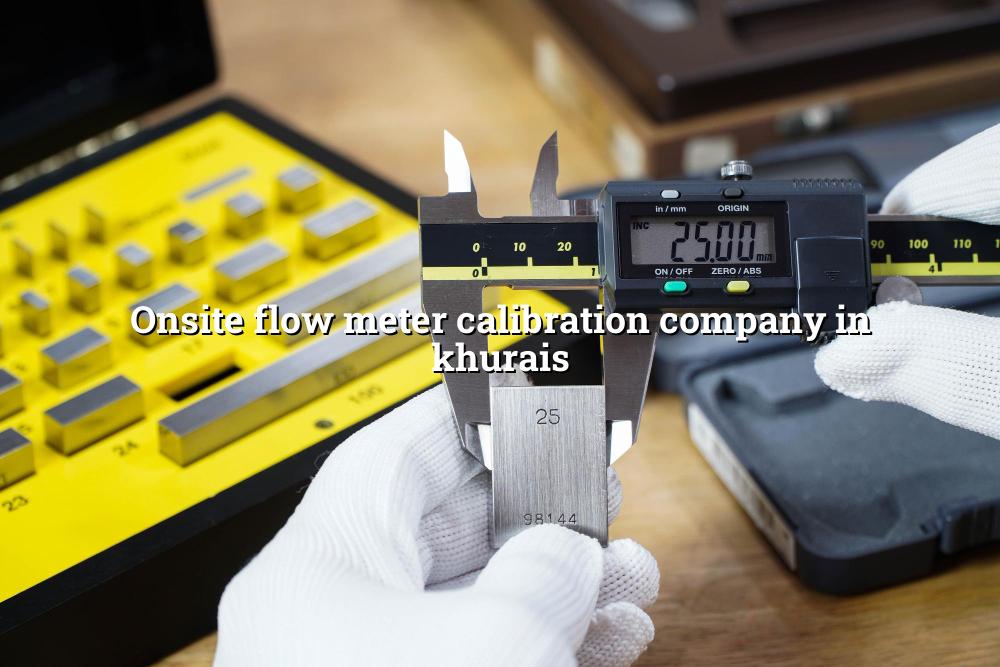
Onsite flow meter calibration company in Khurais is what you search for when a meter has to be checked where it actually runs, not after a long shutdown or a risky strip-out. We help you verify flow measurement on site, keep records traceable, and get back to stable operation with less guesswork.
Khurais operations move fast, and the people who call us usually need practical support for production lines, utility skids, custody-related checks, or maintenance close-out. Our team works across Saudi Arabia and the wider Middle East with mobile calibration support, ISO/IEC 17025:2017 discipline, and the kind of paperwork maintenance and QA teams can file without chasing fixes later.
Why onsite flow meter calibration matters in Khurais
Field calibration is different from bench work. A meter that looks fine in a workshop can still behave differently once it is installed in a line with vibration, pressure change, temperature shift, or upstream disturbance. In Khurais, that matters because oil, utility, and process systems often depend on steady readings for production control, maintenance planning, and internal audit trails. We work to ISO/IEC 17025:2017 methods where the scope fits the job, and we keep the process tied to measurable evidence rather than a quick pass/fail glance.
What we check on site
We look at the meter as part of the system, not as a loose instrument on a bench. That means installation condition, range suitability, reading stability, signal quality where applicable, and whether the meter is showing signs of drift or mechanical wear. If the application needs it, we can also support related mechanical and electrical checks around the line so the meter result makes sense in context.
Why site conditions change the result
Flow meters in Saudi industrial service often work in heat, dust, and vibration. Add long pipe runs, intermittent demand, or process changes, and you get readings that can move even when the instrument itself is not badly damaged. Onsite verification helps you see whether the problem is the meter, the process, or the installation. That saves time, and it stops teams from replacing equipment before they need to.
- Site review — we confirm the meter type, location, line conditions, and the reason for calibration before any test starts.
- Instrument check — we inspect the meter, associated transmitter, and visible installation details for damage, fouling, or obvious setup issues.
- Field verification — we compare the meter reading against suitable reference methods or known conditions, depending on the application.
- Report and decision — we document findings, note any limits or concerns, and give you a clear path for repair, retest, or return to service.
- Use onsite calibration when removing the meter would interrupt production or create reinstallation risk.
- Ask for traceable records if your QA team needs support for audits or internal compliance reviews.
- Check installation conditions first; many flow issues start upstream of the meter.
- Keep the calibration interval tied to process criticality, not just calendar habit.
- Review the full loop when readings look odd, including transmitter, signal wiring, and process stability.
Common flow meter situations and the usual field response
| Situation | What we look for | Typical field response |
|---|---|---|
| Reading drift | Installation condition, signal stability, process variation | Verify the meter against a suitable reference and inspect the line |
| After maintenance shutdown | Reinstallation condition, alignment, leaks, wiring | Recheck the meter before the line returns to normal duty |
| Suspected process error | Upstream disturbance, pressure change, temperature effect | Test the meter in context and compare with operating conditions |
| Audit preparation | Traceability, records, calibration status labels | Issue documentation that your QA file can use without extra editing |
What a good onsite calibration visit should include
A proper visit should leave you with more than a sticker. You need a methodical check, understandable results, and records that show what was tested and under which conditions. For industrial users in Khurais, that can include process lines, utility systems, chemical service, or flow points tied to plant control. We also pay attention to safety access, because field work should fit the permit and site rules without creating extra disruption for your operations team.
Records your team can use
We prepare service notes and calibration records in a way that QA, maintenance, and procurement staff can read later without digging through vague language. If a reading is outside acceptable limits, we say so plainly. If the meter needs retest after adjustment or repair, we say that too. Straight answers are better than polite confusion.
Built for operating plants
We support production sites, oilfield facilities, maintenance shutdowns, and commissioning teams that need practical field help without moving sensitive equipment across site boundaries.
Flow meter types we often see in Khurais work
Process meters
Used on production and utility lines where steady measurement helps operators watch trends and spot abnormal changes early.
Transfer-related meters
Often checked with tighter attention to traceability, installation condition, and the paper trail attached to the meter record.
Utility service meters
Common in water, air, and support systems where a wrong reading can hide waste or create maintenance confusion.
Portable meters
Useful when teams move instruments across multiple skids or work packs and need a clear calibration record before deployment.
How Mayon Industrial Services Can Help
We support onsite flow meter calibration with the same field discipline we use across calibration, mechanical services, inspection, and commissioning work. If your meter issue sits beside a maintenance job, an installation question, or a broader quality check, our team can handle the service in a practical way and keep the paperwork aligned with your site needs. For Khurais and other Saudi locations, that means one team that understands industrial pressure and the value of clean records. Talk to us and we’ll help you choose the right next step.
Call +91 99447 80844 (India) or +966 59 633 8012 (Saudi Arabia), email services@mayonservices.com, or message us on WhatsApp.
Frequently Asked Questions
Choose a team that can work on site, explain the method clearly, and give you traceable records. For Khurais industrial work, that usually means a provider who understands field conditions, site access, and the need to keep operations moving while the meter is checked.
Yes, in many cases it can. That depends on the meter type, installation, safety access, and whether the line conditions let the verification be done properly on site. We always review the setup first so we can tell you if onsite work is the right approach.
You should receive a clear service record showing what was checked, the result, and any remarks that matter for your maintenance or QA file. If the meter needs repair or further action, that should be stated plainly so your team can decide the next step.
That often happens because installation conditions changed during maintenance, or because process stability is different when the line comes back online. A field check helps separate the meter issue from the process issue, which is usually where the real answer sits.
Yes. We support industrial clients across Saudi Arabia and the Middle East, along with our India operations from Chennai. If your site is in Dammam, another Saudi industrial area, or elsewhere in the region, contact us with the meter details and we’ll discuss the service route.
Ready to get the meter checked on site?
If your line needs a practical field visit, we can help you plan the next step and keep the calibration record clean.
Contact MayonFor industrial teams in Khurais, the right field partner makes calibration simpler, not harder. Mayon Industrial Services brings onsite discipline, traceable records, and a practical approach that fits real plant work.