
Onsite Pipeline Hydrotesting Service Company in Arar
Mobile hydrotesting support for pipeline integrity, leak checks and pre-commissioning work in Arar and the Northern Border region.
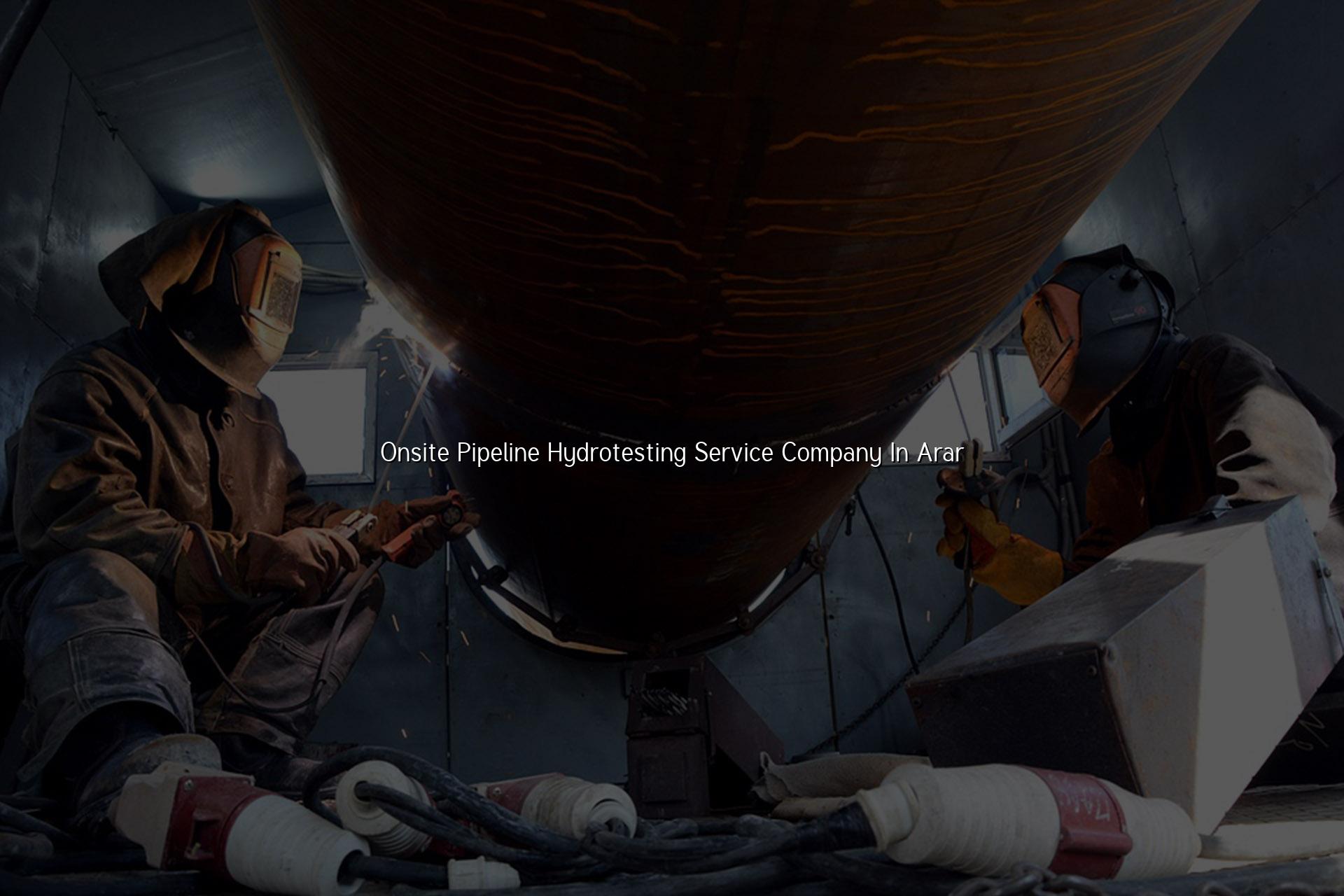
Onsite pipeline hydrotesting service company in Arar support matters when a line has to prove integrity before commissioning, restart or handover. We help you check pressure containment, find weak joints and document the result in a way your site team can use with confidence.
Our crew works with industrial clients in Saudi Arabia, including Arar and the Northern Border area, where pipeline work often sits beside oil & gas, utilities, water transfer and plant maintenance. We bring the mobile setup to you, so the test can happen at site without dragging equipment off to a distant workshop.
What an onsite pipeline hydrotesting service company in Arar should cover
Pipeline hydrotesting is not just about pumping water and watching a gauge. For a line in Arar, you usually need a controlled sequence: isolate the section, confirm the test medium, raise pressure carefully, hold it, inspect for leakage and record the readings against the agreed acceptance plan. That is the part many teams underestimate. If the line includes welded joints, flanges, valve sections or tied-in branches, the test plan has to match the actual field layout, not a generic drawing.
Why the site setup changes the whole test
Onsite work helps when the pipeline is long, heavy or already tied into surrounding equipment. We see this a lot on pre-commissioning jobs and maintenance shutdowns in Saudi industrial sites. A mobile hydrotesting setup keeps the test closer to the asset, which reduces handling risk and makes it easier for your operators, QA staff and mechanical team to witness the process. It also helps when the location has limited access, since moving a pressurised line or large spool is rarely practical.
What we check before pressure comes up
Before any pressure increase, the line needs a proper look-over. That means checking isolation points, vents, drains, temporary blinds, test manifolds, gauges and the condition of the section under test. We also review the medium, fill and vent strategy, because trapped air can distort readings and make a test harder to trust. If the system is part of a larger package, we confirm the boundaries so you know exactly what was tested and what was left out.
- Review the test scope — confirm the pipe size, material, test section and any connected equipment that must stay isolated.
- Prepare the circuit — fit blinds, valves, fittings and the hydrotest manifold, then check vents and drain points.
- Fill and de-air — introduce the test medium carefully and remove trapped air before full pressurisation.
- Pressurise and hold — raise pressure in a controlled way, then maintain the agreed hold period while inspecting for leaks and abnormal pressure change.
- Record and release — document gauge readings, witness points and any corrections before the system is returned for the next stage.
- Use calibrated gauges and test accessories with traceable records.
- Keep a clear test boundary drawing so everyone knows what was included.
- Plan for safe venting, drainage and water recovery at the site.
- Confirm flange torque, temporary closures and support points before pressure.
- Coordinate with welding, inspection and commissioning teams so the same section is not reopened by mistake.
Pipeline hydrotesting checkpoints for Arar sites
| Checkpoint | What the team verifies | Why it matters onsite |
|---|---|---|
| Isolation | Test section boundaries, blinds and valve positions | Keeps pressure inside the intended line only |
| Calibration | Gauge and instrument traceability before use | Supports reliable readings during the hold period |
| Air removal | Venting during filling and pre-pressurisation checks | Prevents false pressure behaviour and unstable results |
| Leak inspection | Flanges, welds, fittings and temporary closures | Finds weak points while the line is under test load |
| Documentation | Witness notes, pressure profile and pass/fail record | Gives your QA team a clear handover file |
How onsite hydrotesting supports safety and handover
Good hydrotesting protects the rest of the project. If a line leaks during the test, you find it before commissioning starts, not after the system is already live. That is a much cleaner moment to correct a weld, flange seal or valve issue. In our experience, owners and contractors in Saudi Arabia prefer a clear field record because it reduces argument later when the line is signed off by the client or main contractor.
Where this helps most
We see strong demand on new build piping, plant revamps, water systems, utility headers and maintenance turnarounds. For Arar and nearby sites, that often means work that has to fit around weather, access constraints and tight shutdown windows. A mobile team can move between test points, support re-test after minor repairs and keep the job moving without waiting for offsite transport.
Built for field conditions
We bring the test arrangement to the site, which helps when pipe racks, skids and fixed equipment make workshop testing impractical. For customers who need more than hydrotesting, the same team can also support mechanical works, inspection, calibration and commissioning coordination.
Choosing the right test approach for different pipeline sections
New piping
Freshly fabricated lines usually need the cleanest boundary control. We check weld maps, spool numbers and the test medium path so the record matches the actual installation.
Maintenance shutdown work
When a line has been opened for repair, the test often needs extra care around temporary closures and reinstated joints. That is where field discipline matters most.
Commissioning support
For handover jobs, the focus is usually evidence. Your team needs a readable pressure test file, the witness trail and a result that aligns with project closeout requirements.
How Mayon Industrial Services Can Help
We support onsite pipeline hydrotesting with the same field discipline we use in calibration, mechanical services and commissioning jobs. That means proper test setup, calibrated instruments, clear boundary checks and practical coordination with your site team. If your work in Arar needs hydrotesting plus related support such as flange work, leak follow-up, inspection or repair, we can keep it under one team.
Call +91 99447 80844 (India) or +966 59 633 8012 (Saudi Arabia), email services@mayonservices.com, or message us on WhatsApp.
Frequently Asked Questions
It usually includes boundary preparation, filling, venting, pressure raising, a hold period, leak inspection and test documentation. For Arar sites, we also look at access, water handling and how the test fits into the rest of the shutdown or commissioning plan.
Yes. That is the point of onsite hydrotesting. We bring the equipment and test arrangement to the line, which is useful for large pipe runs, fixed skids and sections already tied into plant systems.
Trapped air can make readings misleading and can hide the true behaviour of the line during pressurisation. We take venting seriously because a clean fill makes the test easier to trust and easier to document.
Yes, we use calibrated instruments and can tie the test setup back to our ISO/IEC 17025:2017 calibration capability. That matters when your client wants traceable readings as part of the handover file.
We most often see oil & gas, petrochemical, power, construction and utility projects. In places like Arar, the work may involve plant piping, water systems, process lines or maintenance shutdown sections that need a proper integrity check before restart.
Yes. We can support the follow-up work through mechanical services, flange work, inspection and retesting coordination. That keeps the job with one team instead of passing it between too many contractors.
Ready to test the line properly?
If you need a field team for pipeline hydrotesting in Arar, contact us and we’ll help plan the setup, the documentation and the next step.
Contact Mayon