
Onsite Pipeline Hydrotesting Service Company in Tabuk
Field hydrotesting for pipeline crews, shutdown teams and commissioning work in Tabuk and nearby industrial sites.
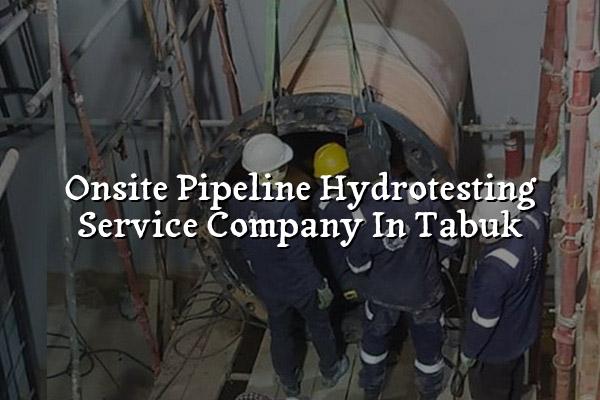
Onsite pipeline hydrotesting service company in Tabuk support matters when a line has to prove its integrity before commissioning, handover or restart. We bring the test gear, set up the temporary arrangement, control the pressure rise and document the results so your team can move with confidence.
In Tabuk, the call is usually urgent. A project manager wants the pipework checked before the next work front opens, or a maintenance team needs pressure verification after replacement spools, valves or fittings. We handle that kind of work across Saudi Arabia and the wider Middle East with the same discipline we use in our calibration and engineering jobs.
Onsite Pipeline Hydrotesting in Tabuk: What Clients Usually Need
Most clients are not asking for theory. They want a field crew that can arrive, check the test section, isolate the right part of the system and run a pressure test that matches the project’s inspection and commissioning plan. That can be a small process line, a utility pipe rack, a skid package or a longer pipeline section connected to tanks, pumps or manifolded equipment. The important part is traceability, because Tabuk projects often sit inside broader Saudi industrial programmes where quality records need to be clean.
How we approach a hydrotest setup
We start by confirming the test scope, pressure target, medium, isolation points and the condition of the pipework. After that, we prepare the test manifold, gauges, hoses, fittings and any temporary blanking or venting arrangements needed for safe field work. If the job calls for special conditions, we can support it with our onsite capability and, when required, move instruments through our temperature-controlled in-house laboratory or pick-up and delivery process.
Why the pressure record matters
A hydrotest is only useful if the record tells the story clearly. Engineers need to know what was tested, which line numbers were included, what pressure was reached, how long the hold lasted and whether any visible leaks or pressure loss appeared during the test. That documentation becomes part of turnover, and it is often reviewed alongside other site records such as commissioning checks, inspection reports and calibration certificates for gauges or transmitters.
- Confirm the test package — we review line boundaries, pressure ratings, hold points and the exact piping section before any water is introduced.
- Prepare the equipment — our team sets up the hydrotest pump, manifolds, calibrated gauges and required fittings for the site arrangement.
- Fill, vent and stabilise — air is removed carefully so the pressure rise reflects the true condition of the line.
- Pressurise and hold — the line is taken to the planned test pressure and observed for leaks, deformation or pressure drop.
- Record and hand over — we document the results and provide the job record needed for QA, commissioning or client review.
- Use calibrated pressure gauges and test instruments so the result stands up during QA review.
- Keep the test section clearly isolated from live equipment and sensitive instruments.
- Plan for access, water supply, drainage and safe disposal before the crew arrives.
- Match the hydrotest record with commissioning files, inspection notes and punch-list closure.
Common Onsite Hydrotesting Checks for Pipeline Work
| Checkpoint | What We Verify | Why It Helps |
|---|---|---|
| Test boundaries | Line limits, blinds, caps and isolation points | Prevents the wrong section from being pressurised |
| Instrumentation | Pressure gauge condition and calibration status | Supports traceable readings during the hold period |
| Filling and venting | Air removal, water fill path and stabilisation | Reduces false pressure behaviour and trapped air risk |
| Hold observation | Leaks, fittings, flange joints and pressure change | Gives the client a clear pass/fail basis |
What Makes a Tabuk Hydrotest Work Properly
A good hydrotest is never just about pumping water into a line. The real work is in the preparation: knowing the pipe material, checking the test medium, confirming vent points, protecting nearby equipment and documenting every step. In industrial sites around Tabuk, that preparation is what keeps shutdown work from slipping into avoidable rework. We also keep our approach aligned with the standards and controls clients expect, including ISO/IEC 17025:2017 for calibration competence and ISO 9001:2015 for quality management.
Where field crews usually get stuck
The problems are familiar. A gauge is missing its current calibration record, the test boundary is not fully clear, a flange is left with the wrong temporary seal, or the site team has not arranged drainage before filling starts. We see this often on plant tie-ins and maintenance shutdowns, and the fix is usually simple when the hydrotest plan is reviewed early.
Useful for more than one type of project
Pipeline hydrotesting is used on new construction, repair work, equipment replacement, and pre-commissioning. It fits oil & gas, petrochemical, power, manufacturing and cold-chain support systems where piping integrity has to be checked before the line goes live. That is why many clients want one team that can handle the hydrotest and the related instrument calibration without sending the job to three different vendors.
When Onsite Hydrotesting Is the Better Choice
Shutdown windows are tight
When a client only has a limited maintenance window, moving pipe sections offsite is not practical. Onsite testing lets the work happen where the pipe already is, which saves handling and keeps the schedule under control.
QA files need clean records
The pressure test report becomes part of the turnover pack, so the field notes need to be readable and complete. That matters to owners, EPC teams and third-party inspectors who check evidence before sign-off.
Site conditions are local
Tabuk projects can involve remote plant areas, utility systems and long transfer runs. Having a crew that already works across Saudi Arabia helps when the job needs practical field coordination rather than a phone call from far away.
How Mayon Industrial Services Can Help
We support onsite hydrotesting with calibrated instruments, practical field setup and the documentation your QA team wants to see. If your scope also needs calibration, mechanical support, inspection, orbital welding, lab setup or repair work, our team can keep those services aligned instead of splitting the job across multiple vendors. For Tabuk projects, that often makes the handover cleaner and the site coordination easier.
Call +91 99447 80844 (India) or +966 59 633 8012 (Saudi Arabia), email services@mayonservices.com, or message us on WhatsApp.
Frequently Asked Questions
We do that for clients who need a field hydrotest on piping, manifolds, skids or connected pipeline sections. The usual call comes from a project team, maintenance team or commissioning contractor who wants the test done at the site instead of moving the equipment away.
We confirm the test section, isolation points, pressure target, water fill path and venting arrangement first. We also look at the condition of the gauges and fittings, because a bad setup can waste a whole shift.
Yes. That is a common part of the job, especially on plant tie-ins, replacement spools and pre-commissioning packages. We work with the site team so the hydrotest fits the shutdown window and the turnover pack stays complete.
Yes, we can support the job with calibrated instruments so the readings are traceable and easier to defend during QA review. For many clients, that is the part that matters most when the report is checked by an owner or third-party inspector.
Oil & gas, petrochemical, power, manufacturing and construction are the most common. We also see related piping work in cold-chain, food processing and utility systems where the line has to prove itself before service.
Call or WhatsApp us with the site location, line size, service medium and the pressure test scope, and we’ll guide you on the next step. If you already have a drawing or test pack, send that too. It helps us prepare the right equipment for the job.
Ready to get your pipeline test signed off?
If you need a field crew in Tabuk that can handle hydrotesting with proper records and practical site support, talk to Mayon Industrial Services today.
Contact Mayon