
Orbital Welding Service Company in Al Hasa
Automated TIG pipe and tube welding for projects that need repeatable weld quality, tight control and site-ready execution.
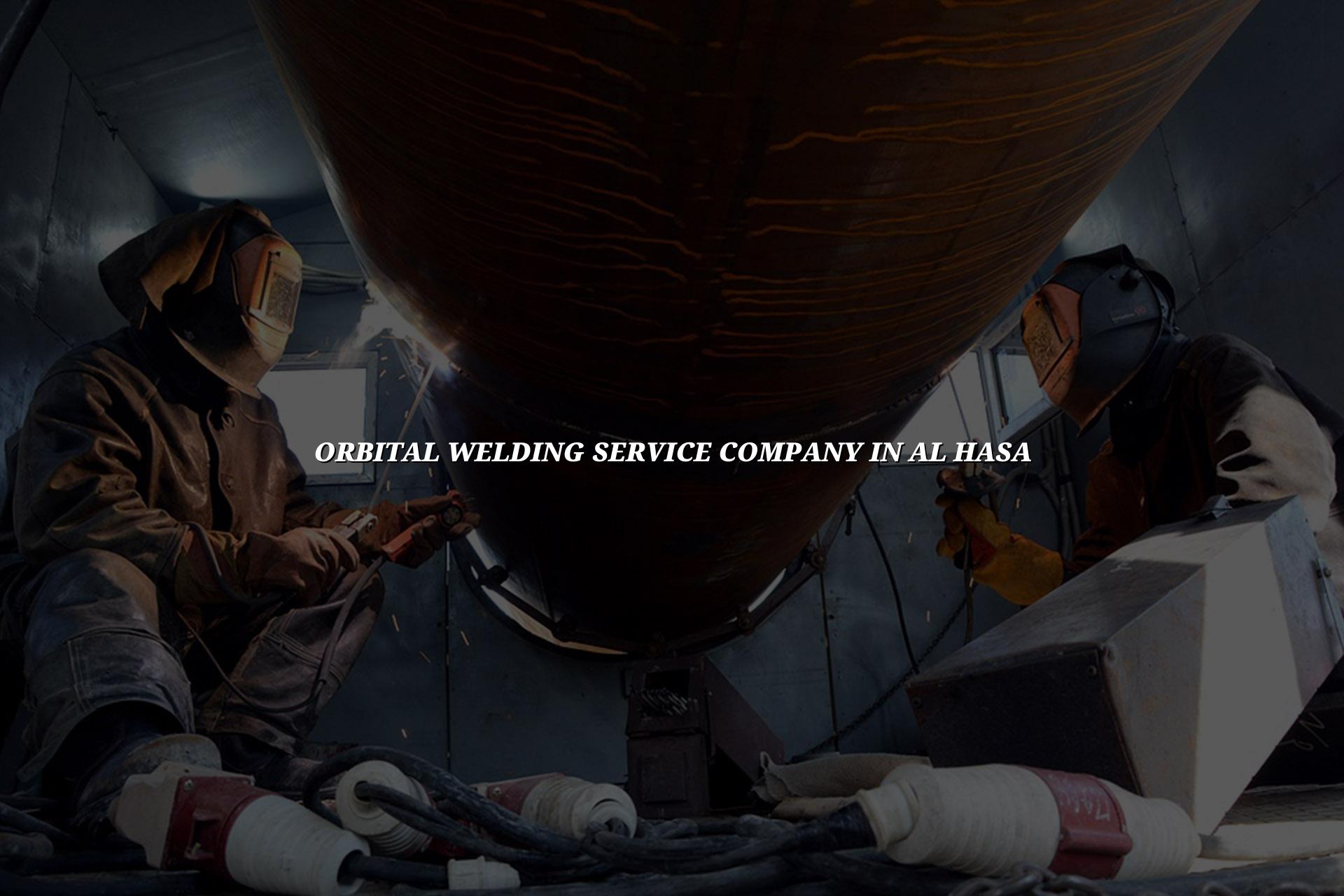
Orbital welding service company in Al Hasa searches usually come from teams that need cleaner, more repeatable welds than manual work can give them. If that's you, this page explains where orbital TIG welding fits, what to check before you release a job, and how we support piping and tube work for industrial sites in Saudi Arabia.
We work with owners, maintenance teams and contractors who care about weld consistency, traceability and access on site. In Al Hasa, that often means process piping, utility lines, skids, stainless tube runs and plant packages where rework is expensive and shutdown windows are tight.
Orbital welding service company in Al Hasa for controlled pipe and tube welds
Orbital welding uses an automated TIG process where the torch moves around the joint with controlled parameters. That sounds simple, but the value is in repeatability. When the fit-up is right and the procedure is set properly, you get a steadier bead profile, better control of heat input and less variation between welders, shifts and job sites. For stainless tube, hygienic lines and many process systems, that matters a lot more than people first expect.
Where it makes sense on plant work
We usually see the strongest demand on projects that need clean internal profiles, limited spatter and a consistent finish. In Al Hasa and across the Eastern Province, that can include oil and gas packages, petrochemical skids, utility services, water and chilled systems, and fabrication work for manufacturing plants. When the pipe schedule, material grade and joint access are known early, orbital welding is easier to plan and a lot easier to inspect.
Why teams ask for it again
The real reason is not fancy equipment. It is control. A good orbital welding setup reduces variation caused by manual torch movement, which helps when you are welding the same diameter again and again or when the system must stay clean inside. For stainless lines, food and beverage utilities, pharmaceutical support work and cold-chain plant piping, that control can save hours later at inspection and commissioning.
- Check the joint and material — confirm pipe or tube size, wall thickness, alloy grade and access before the job starts.
- Prepare the ends properly — clean, square and fit the joint so the torch can track a stable root and cap pass.
- Set the procedure and purge — choose the right program, shielding gas and purge control for the material and line service.
- Run a sample weld and inspect it — look at bead shape, colour, root condition and any sign of orbit drift or contamination.
- Keep the tube ends clean and dry before welding; fingerprints and dust show up fast on stainless.
- Verify the clamp size and head clearance early, especially on tight skids and rack piping.
- Use orbital welding where repeat joints need the same result across multiple spools.
- Plan inspection access before fabrication closes the line in.
- Ask for a procedure that matches the alloy and service, not a generic setup copied from another job.
Choosing orbital welding, manual TIG or a mixed approach
| Job type | Best fit | Typical reason |
|---|---|---|
| Small stainless tube runs | Orbital welding | Uniform bead shape and repeatable quality on similar joints |
| Tight-access repair work | Manual TIG | Operator flexibility where the torch head cannot fit |
| Skids with repeated joints | Orbital welding | Multiple identical welds benefit from the same programmed cycle |
| Mixed fabrication and field tie-ins | Mixed approach | Orbital for production joints, manual TIG for awkward closures and repairs |
How orbital welding supports cleaner inspection results
Good orbital welds are easier to inspect because the process reduces random variation. That helps when a client wants visual consistency, traceable records and a weld that does not need a lot of touch-up before the next stage. In regulated or high-risk facilities, that can reduce back-and-forth between fabrication, QC and commissioning teams. We also see it help on jobs where the client wants a tidy line of welds that fits neatly into the plant's maintenance records.
What inspectors usually look for
Inspectors still check the basics: fit-up, root profile, bead shape, colour, contamination and any sign of surface defects. Orbital welding does not remove inspection. It simply gives you a more controlled starting point, which is a lot better than trying to rescue an inconsistent manual weld after the fact.
Built for repeat work, not guesswork
When a project has many similar welds, the process can be set once and kept consistent across the run. That is why it gets attention in oil and gas packages, pharma utility lines and process plants that want better control over the final weld picture.
Practical things that affect orbital welding on site
Before we mobilise, we look at the pipe size, material, joint type, site access, purge needs and the quality expectations around the work. Those details tell us whether orbital welding is the right answer or whether a mixed approach makes more sense. We have seen jobs where the client asked for automated TIG welding, then the actual access or fit-up meant the plan needed a quick adjustment. That is normal. The important thing is to decide early and keep the weld quality consistent once work starts.
For stainless and other clean-service lines, we also pay attention to cleanliness control around the work area. Oil residue, grinding dust and poor purge discipline can ruin a weld faster than people expect. In practice, the jobs that go well are the ones where fabrication, welding and inspection all agree on the same standard before the first joint is struck.
- Confirm the pipe and tube sizes against the orbital head range.
- Check whether the line needs inside purge control for stainless or clean service.
- Make sure the site can support safe power, access and work area control.
- Align the welding plan with the inspection hold points before fabrication begins.
How Mayon Industrial Services Can Help
We support orbital welding work with the same practical mindset we use across calibration, mechanical services and inspection. If your job in Al Hasa needs cleaner pipe and tube welds, we can help plan the work, align the method with the material and keep the quality checks tied to the real job conditions. Our team also works across Saudi Arabia from Dammam Industrial City 2, so we understand the pace and expectations of regional plant work. If you need a second opinion on whether orbital welding is the right fit, talk to us before you release the package.
Call +91 99447 80844 (India) or +966 59 633 8012 (Saudi Arabia), email services@mayonservices.com, or message us on WhatsApp.
Frequently Asked Questions
An orbital welding team sets up an automated TIG weld around pipe or tube joints so the torch movement stays controlled from start to finish. That helps on repeat work where consistency matters more than speed alone. It is a good fit for stainless tubing, process lines and other jobs where bead quality and cleanliness are watched closely.
Use orbital welding when the joints are similar, the access works for the welding head and you want repeatable results across many spools. Manual TIG still makes sense for awkward tie-ins, repairs and places where the torch head cannot fit. In many plants, we end up using both on the same project.
Yes, if the job setup supports it. We look at access, cleanliness, power, clamp fit and purge control before we start. Site work is common on skids, utility lines and plant piping where the client wants a controlled weld without sending every spool off-site.
We see interest from oil and gas, petrochemical, power, manufacturing, cold-chain and pharmaceutical support work. The common thread is the need for clean, repeatable welds and clear inspection records. Those are the jobs where a controlled process saves time later.
We start with visual checks on fit-up, bead shape, surface colour and any sign of contamination. After that, the inspection plan depends on the job and client requirements. The key thing is to confirm the procedure is right before the whole line is welded out, because that is where poor planning usually shows up.
Yes. We can support the weld plan and also help with inspection-related work through our broader industrial services. That makes it easier to keep the job moving without sending different teams in different directions for the basics.
Ready to put orbital welding to work on your next Al Hasa job?
If you need controlled pipe and tube welding with a practical site plan, speak with Mayon Industrial Services and we'll help you shape the right approach.
Contact Mayon