
Pneumatic Testing Service Company in Neom
Onsite pneumatic pressure testing for Neom projects, with traceable reporting for plant, pipework and package systems.
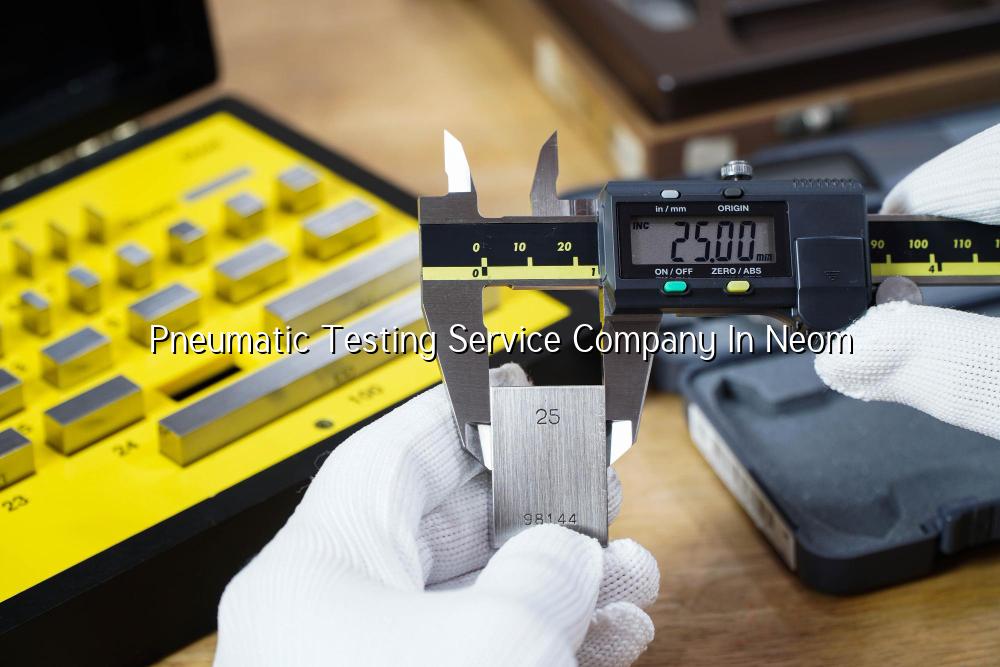
Pneumatic testing service company in Neom support starts with one thing: knowing the system can hold pressure safely before it goes live. We test pipework, skids, vessels and associated assemblies where water testing is awkward, cleanliness matters or the package has to stay dry.
Our team works with industrial clients across Saudi Arabia, including Dammam Industrial City 2 and wider project sites that need documented pneumatic checks, clear method statements and practical field support. In Neom, that usually means tight site coordination, traceable records and a crew that understands how shut-down windows really work.
Pneumatic Testing Service Company in Neom for Field and Package Systems
Pneumatic testing is often chosen when the system can't be filled with water, or when project conditions make drying a pain later. We see that on instrument air lines, gas service piping, compact skids, export packages and pre-commissioning jobs where leaks need to be found before startup, not after. The approach needs control, steady pressure increase, and people who know how to read the response of joints, fittings and valves.
Where this method fits best
For Neom projects, pneumatic testing is usually a fit for dry systems, enclosed assemblies and lines that will be sensitive to moisture. It is also useful on brownfield work where the client wants confirmation without flooding a section of plant. In our experience, teams ask for it most when access is tight, the schedule is short and the package has to go back into service cleanly.
What we check during the test
We look at the pressure boundary, the test medium, the isolation points and the joints that usually give trouble first. That means flanges, threaded connections, welds, valves, gauges and temporary blanks. We also make sure the setup makes sense before any pressure is applied. A rushed setup causes false alarms, and nobody wants to chase a leak that came from the test arrangement itself.
- Review the system scope — we confirm line size, service, test boundaries and what must stay isolated.
- Prepare the test package — gauges, hoses, fittings, blanks and records are checked before mobilization.
- Pressurize in stages — pressure is raised gradually so the system can be watched safely.
- Inspect and hold — joints, valves and connections are monitored, then the result is recorded for handover.
- Use pneumatic testing where water could damage dry instruments or coatings.
- Keep the test boundary clear so every isolated section is easy to verify.
- Use calibrated gauges and traceable records for the test file.
- Plan the work around permit access, scaffolding and shutdown windows.
How Pneumatic Testing Compares Across Common Neom Scenarios
| Scenario | Main reason for using pneumatic test | What the site team usually wants |
|---|---|---|
| Dry pipework | Avoids introducing water into lines that must stay dry | Leak finding before commissioning |
| Package skids | Checks compact assemblies without wetting instruments | Clear pass/fail record for handover |
| Brownfield tie-ins | Useful where drainage or drying is difficult | Short shutdown and controlled isolation |
| Pre-commissioning checks | Confirms pressure boundary before startup activity | Traceable test file for QA review |
Why Neom Teams Care About Control During Testing
Pneumatic testing stores energy in compressed gas, so the setup has to be controlled carefully. That is why we use tested procedures, proper barricading, calibrated instruments and a crew that knows the difference between a real leak and a setup issue. For project managers, the real value is confidence: the system has been checked in a way that stands up to QA review.
Records that help at handover
Most clients want more than a verbal okay. They want the line list, test boundary, pressure details, gauge identification and results in a format that can be filed with the project dossier. We build that habit into the work, because handover in Neom and the wider Saudi market usually moves faster when the paperwork is already clean.
Common test items we handle
Pipe spools, manifolds, skids, valve assemblies, compressed-air lines and related industrial packages are all within scope when the boundary is defined properly. We also coordinate with other site activities so the test doesn't clash with hot work or nearby commissioning tasks.
What You Should Have Ready Before the Crew Arrives
A smooth pneumatic test usually starts before our team reaches site. If the system boundary isn't clear, the job slows down. If the blind list is incomplete, the job slows down. And if the gauges haven't been checked against the right range, the result becomes harder to defend later. The best jobs in Neom are the ones where the package engineer, QA lead and commissioning team all agree on the same test scope before pressure goes in.
We also recommend that you keep a simple permit trail ready. That includes access approval, isolation confirmation, and a plan for who signs the result on completion. It sounds basic, but on real industrial sites it saves time. Most of the frustration in pressure testing comes from paperwork gaps, not the test itself.
How Mayon Industrial Services Can Help
We support pneumatic testing as part of wider industrial work, so you can bring us in for calibration, mechanical services, inspection support, orbital welding or commissioning-related tasks around the same package. If your Neom project needs onsite pressure testing with proper records, we can help you plan the test boundary, mobilize the right kit and keep the job aligned with your QA requirements.
Call +91 99447 80844 (India) or +966 59 633 8012 (Saudi Arabia), email services@mayonservices.com, or message us on WhatsApp.
Frequently Asked Questions
It is used to confirm that a system holds pressure and doesn't leak before commissioning or startup. In Neom work, that often applies to dry pipework, skids and package systems where water testing isn't a good fit. The result should give your QA team something they can file and defend.
Choose pneumatic testing when the system has to stay dry, when moisture could damage equipment, or when draining and drying would create extra work. We often see that on instrument air lines, compact packages and brownfield tie-ins. The decision should be made with the project engineer and QA lead, not guessed on site.
Usually we need the system scope, line or package identification, test boundary, gauge details, pressure record and the sign-off trail. If the job is part of a larger handover, a simple mark-up showing what was included helps a lot. Clean paperwork saves time at final review.
Yes. We support Saudi projects from our Dammam Industrial City 2 base through SMC Engineering Services / Sixfaces Maintenance Co, and we also handle work across India and the Middle East. If the site is active, we coordinate the mobilization plan around access, permits and test readiness.
Yes, and that is often the sensible way to plan it. We can support calibration, inspection, mechanical works, orbital welding and commissioning-related tasks around the same package, which helps reduce back-and-forth between vendors. It also makes the test file easier to keep consistent.
Ready to get your Neom pressure test organized?
If you need a pneumatic test done with proper control, traceable records and a team that understands industrial site pressure, talk to Mayon Industrial Services.
Contact Mayon