
Pneumatic Testing Service Company in Riyadh
Pressure testing done with traceability, site control, and the paperwork your shutdown team needs.
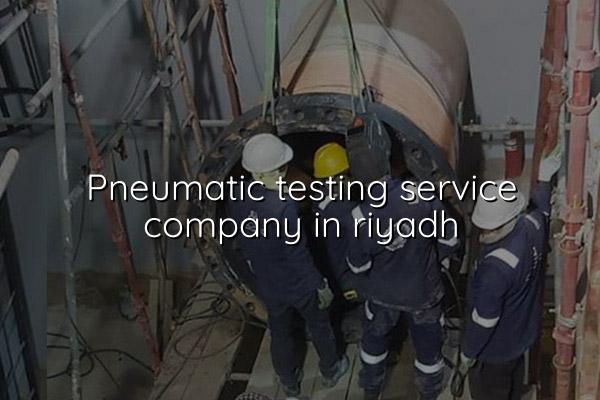
Pneumatic testing service company in Riyadh searches usually come from people who need a safe, documented answer fast. If that sounds like you, we help you test piping, vessels, valves and related assemblies with controlled pressure, clear records and a team that understands site work in Saudi Arabia.
At Mayon Industrial Services, we work with shutdown crews, QA teams and maintenance managers who need testing that stands up to inspection. Our job is simple: protect the asset, protect the people around it, and leave you with evidence you can show your client, your consultant or your internal HSE team.
Pneumatic testing in Riyadh for real site conditions
When people ask for pneumatic testing, they usually mean a controlled pressure test using gas or air on equipment that cannot be filled with water, or where the system design calls for a different test method. That can include lines that must stay dry, components that are awkward to drain, or assemblies where the client wants leak detection before commissioning. In Riyadh and the wider Eastern and Central Saudi industrial belt, we see this on skids, manifolds, fabricated piping, valves, hoses and pressure-rated items used in oil & gas, petrochemical and manufacturing work.
Where pneumatic testing fits best
It is a practical choice when hydrotesting is not suitable, but it has to be handled with care. Gas stores energy, so the setup, exclusion zone and test sequence matter more than people expect. That is why engineers often call us after a previous contractor rushed the job or skipped the basic checks. We keep the process controlled, documented and tied to the actual test requirement.
What clients in Riyadh usually want answered
Most clients want three things: does it hold pressure, where is the leak, and can we prove the result later. That sounds straightforward, yet the detail matters. We look at test media, pressure range, temporary fittings, gauge selection, isolation points and the condition of the item before we start. If the unit is part of a larger package, we also check what else needs protection during the test.
- Review the test pack — we check the drawing, design pressure, test medium and the client's acceptance needs before anything is pressurised.
- Inspect the assembly — joints, blanks, hoses, fittings and restraints are checked so the setup matches the work scope.
- Install calibrated instruments — we use the right gauges and related tools so the readings are meaningful, not just visible.
- Pressurise in stages — the system is brought up slowly, with holds and inspections at each stage.
- Record the result — pressure retention, observed leakage and any corrective action are logged for the handover file.
- Useful for dry systems where water is not acceptable before commissioning.
- Common on fabricated piping, manifolds, valves and pressure accessories.
- Better when the site needs a clean handover record for the client file.
- Best handled by a team that understands exclusion zones and pressure safety.
- Can be paired with calibration support, leak checks and commissioning work.
Key points to compare before you book pneumatic testing
| Test item | What we check | Why it matters |
|---|---|---|
| Piping spool | Welds, joints, blinds, restraints and leak points | Confirms the section is ready for controlled pressurisation |
| Valve assembly | Seat condition, body leakage and connection integrity | Helps isolate whether the issue is in the valve or the line |
| Pressure vessel or skid | Flanges, fittings, temporary closures and gauges | Supports a clean handover before commissioning |
| Commissioning package | Test media, sequence, records and final remarks | Makes the report useful to QA, HSE and the end client |
Why pressure control matters more than speed
People sometimes think pneumatic testing is just about getting the gauge needle to a number. It isn't. The real work is in the setup. A poor seal, a loose temporary connection or the wrong test arrangement can waste a shift and create risk no one needs. On Saudi industrial sites, especially where shutdown windows are tight, that kind of error is expensive and avoidable.
How we keep the work disciplined
We build the job around the actual equipment, not around a generic checklist. That means checking the test medium, using suitable calibrated instruments, isolating the section properly and confirming the area is ready before pressure goes in. When the client needs it, we can align the testing with commissioning, maintenance or fabrication close-out so the whole package moves as one.
What Riyadh clients usually appreciate
They want clear communication, practical site habits and paperwork that doesn't need rewriting. They also want a team that understands Saudi work culture, can mobilise for plant environments, and knows how to work with engineers who are under pressure to hand over safely. That is the standard we try to keep every time.
When pneumatic testing is the better fit
Dry piping systems
Useful where water removal would slow commissioning or affect downstream equipment.
Skids and manifolds
Common on fabricated packages that need leak checks before site release.
Valve and fitting checks
Helps isolate seat or connection issues before the system is handed over.
Shutdown verification
Fits short maintenance windows where the test scope must be precise.
What a well-run pneumatic test file should include
A proper file makes everyone happier later. We recommend keeping the scope, test medium, pressure range, instrument details and acceptance notes together in one place. If the site team has to search through messages and separate marks-up, the handover slows down. For Riyadh projects that involve consultants or third-party review, clean records save time and avoid arguments about what was actually tested.
We also like to note any limits or special conditions. If the item was tested in sections, if there were temporary blanks, or if a component was left out of scope, the report should say so. That way the next engineer doesn't have to guess.
Small things that help a lot
A photo of the setup, a clear tag on the item, and one person responsible for sign-off. These are simple habits, but they keep projects moving. In our experience, they matter just as much as the pressure reading itself.
- Keep the test scope tied to the drawing or equipment tag.
- Use gauges and accessories that suit the pressure range.
- Make the exclusion area clear before pressurising.
- Record any leak, rework or retest in plain language.
How Mayon Industrial Services Can Help
We support pneumatic testing as part of a wider industrial service line, so your job doesn't get split between three vendors. That can include calibration support for test gauges, mechanical work around flanges and fittings, inspection help, and commissioning support when the system needs more than a pressure check. If your team is working in Riyadh, Dammam, Jeddah or another Saudi industrial area, we can align the service to your shutdown or handover plan.
Call +91 99447 80844 (India) or +966 59 633 8012 (Saudi Arabia), email services@mayonservices.com, or message us on WhatsApp.
Frequently Asked Questions
We typically test pressurised piping, valves, manifolds, skids and related assemblies where a gas or air test is the right method. The exact scope depends on the drawing, the client spec and the condition of the item. If you send us the tag list or the test pack, we can tell you what fits the job and what needs another method.
Yes, when it is planned properly and done by people who understand pressure safety. The key is controlled pressurisation, a clear exclusion zone, the correct setup and the right instruments. We don't treat it like a routine task; we treat it like a pressure operation that needs discipline from the first fitting to the final record.
Usually when the system needs to stay dry, when water could create a problem for commissioning, or when the equipment design or site condition makes hydrotesting impractical. We often see this on packaged systems, certain valve assemblies and dry process lines. If you're unsure, send the scope and we can talk through the better option.
Yes. Shutdown jobs are common for us because they need planning, fast coordination and clean handover records. We can support testing alongside mechanical works, calibration checks and commissioning support so the shutdown team doesn't have to manage separate contractors for every part of the job.
Yes, we provide the documentation that matches the agreed scope and the site requirement. That usually includes the pressure details, observed result and any remarks needed for the handover file. If the client needs the paperwork to align with a project dossier or consultant review, we keep that in mind from the start.
We get enquiries from oil & gas, petrochemical, power, construction, manufacturing and engineering sites. Cold-chain and process facilities also ask for support when dry pressure checks are part of their work. The exact approach changes by sector, but the need for traceable pressure testing is the same.
Ready to get the pressure test handled properly?
Send us the scope, and we'll help you plan a pneumatic test that fits the equipment, the site rules and the handover file.
Contact Mayon