
Pneumatic Testing Service Company in Tabuk
Pressure testing support for Tabuk projects, with onsite and mobile-lab capability across Saudi Arabia and the wider Middle East.
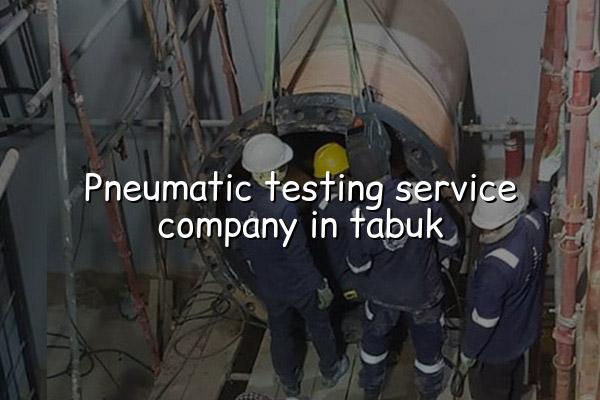
Pneumatic testing service company in Tabuk support matters when the line can’t be filled with water, the schedule is tight, and the job still has to be done safely. We help teams verify integrity, find leaks and prepare equipment for commissioning without wasting time on guesswork.
From Tabuk industrial sites to Saudi oil and gas, power and construction work, our team brings the same practical approach we use across Saudi Arabia and the Middle East. We work with pressure-containing equipment, plant piping, fabricated spools and systems that need controlled onsite testing, traceable checks and clear reporting.
Pneumatic Testing Service Company in Tabuk for Safe Commissioning
Pneumatic testing is chosen when a system needs air or inert gas pressure checks instead of hydrotesting. In Tabuk, that can mean dry lines, equipment that must stay moisture-free, or site conditions where water fill and drainage are awkward. We plan the test around the real job, not a generic checklist, and we keep the focus on safety, leak detection and commissioning readiness.
Where pneumatic testing fits best
We see this request often on piping packages, headers, skids, compressors, valves and fabricated assemblies before handover. It also comes up in maintenance shutdowns where a section has to be isolated and verified before startup. The aim is simple: prove the system holds pressure and identify weak points early, before a fault turns into a shutdown or rework.
How we approach a site test
First, our team checks the test scope, line condition and isolation points. Next, we select the right gauges, fittings and controls, then set up a staged pressurization so the system is not shocked. We keep people clear, monitor the setup closely and record the result in a way your QA or commissioning team can use.
- Review the system and the test boundary — we confirm what is in scope, what stays isolated and what needs blanking, venting or temporary fittings.
- Prepare the equipment and instruments — gauges, regulators and accessories are checked so the test setup matches the pressure range and site conditions.
- Pressurize in stages — the system is brought up carefully so leaks can be identified before the full test level is reached.
- Hold, inspect and document — we watch for pressure drop, audible leaks and fitting issues, then record the findings for your handover file.
- Works well where water use is not practical or not allowed
- Helps detect leaks before commissioning or restart
- Useful for piping, vessels, skids and fabricated assemblies
- Supports QA documentation and site handover records
- Can be planned with onsite support from our Saudi team
Common Pneumatic Testing Checks for Tabuk Projects
| Project Item | What We Check | Why It Matters |
|---|---|---|
| Piping sections | Isolation, fittings, joints and pressure hold | Confirms the line is tight before startup |
| Vessels and skids | Leak points, connections and test boundary | Helps catch assembly issues before handover |
| Compressed air lines | Pressure stability and joint integrity | Reduces the chance of air loss in service |
| Pre-commissioning packages | Documentation, readings and site readiness | Supports QA review and client acceptance |
Why pneumatics need a careful setup
Air or gas stores energy, so the test must be controlled from start to finish. That is why we treat the setup as a pressure system in its own right, with proper isolation, controlled pressurization and clear exclusion around the test area. A rushed setup is where most problems start, especially on site work that involves multiple contractors.
What clients usually ask us to check
In Tabuk and nearby project sites, the most common concerns are small leaks at couplings, temporary connections that were not tightened properly, and systems that show pressure loss during the hold period. We also get called when a project team wants independent confirmation before handing equipment to operations, and that is where clean records help.
Built for field conditions
Tabuk projects often need practical onsite support, not lab-only answers. We can come to the site, work around live project constraints and keep the test aligned with the handover plan your engineers are already following.
What good pneumatic testing documentation should show
A useful test record tells the next engineer what was tested, how it was isolated and what pressure was applied. It should also show the readings taken during the hold period and any corrective action if a leak was found. That kind of record is what procurement, QA and commissioning teams need when they review a package for acceptance.
We keep the language plain. No clutter, no guesswork. If a system passes, the record should support that result. If it does not, the notes should make the next action obvious, whether that means re-tightening, replacing a fitting or rechecking the boundary before a second test.
For larger Saudi projects, the pressure testing stage often sits beside other pre-commissioning work such as flushing, inspection and equipment checks. Pneumatic testing fits into that sequence when dry integrity is the right call. On construction packages in Tabuk, that can save time later because you catch issues before the final handover window opens.
We also get involved when a client wants the test done by a team that understands industrial systems, not just generic field equipment. That matters on skids, process headers and tied-in systems where one bad connection can affect more than one discipline.
How we support Tabuk sites from planning to handover
Our Saudi team is based in Dammam Industrial City 2, and we support projects across the Kingdom, including Tabuk, with the same field-focused approach. We work with engineering teams that need pressure testing to fit into a wider commissioning plan, and we stay clear on scope, readiness and site safety before work begins.
Because we also handle calibration, inspection, mechanical services and electrical testing, we can coordinate related checks when a package needs more than one discipline. That helps reduce back-and-forth between vendors. If your line work, lifting equipment, gauges or commissioning instruments need attention, we can keep the package moving.
Typical situations where clients call us
Sometimes the request comes after a last-minute design change. Sometimes the site team finds a leak during pre-handover checks and needs a methodical retest. We also hear from maintenance managers who want a pressure test before restarting a dormant line. Real jobs, real pressure, and usually not much time.
- Onsite support for Tabuk and other Saudi project locations
- Suitable for commissioning, shutdown and maintenance windows
- Clear coordination with QA, operations and contractor teams
- Backed by ISO/IEC 17025:2017, ISO 9001:2015 and EURAMET CG-15 where relevant
How Mayon Industrial Services Can Help
We support pneumatic testing with the kind of field discipline that industrial projects need: proper setup, practical supervision and clear records. If your Tabuk job also needs calibration, mechanical support, inspection, orbital welding or lab setup, our team can cover the linked work without making the process harder for you. Tell us what equipment you have, and we’ll help you choose the right path.
Call +91 99447 80844 (India) or +966 59 633 8012 (Saudi Arabia), email services@mayonservices.com, or message us on WhatsApp.
Frequently Asked Questions
Usually project engineers, QA teams and maintenance managers who need a dry pressure test before commissioning or restart. It is common on piping, skids, fabricated assemblies and systems where water testing is not a good fit. If the line has to stay dry, pneumatic testing is often the practical choice.
Yes, when it is planned properly and handled by people who understand pressure systems. The key is controlled pressurization, correct isolation and keeping people clear of the test area. We treat the setup with care because air and gas store energy, and that is not something to rush.
We commonly see piping sections, compressed air lines, vessels, skids and pre-commissioning packages. The exact method depends on the system design, the pressure range and what the client needs recorded for handover. If you are not sure whether your system suits pneumatic testing, we can review the scope with you first.
Yes. We support onsite work in Tabuk and across Saudi Arabia through our Saudi operations, and we can coordinate around the site constraints your team is working with. That is often the best way to handle pressure testing when the package is already installed or nearing handover.
We do, because clean documentation is part of the job. The record should show what was tested, how it was prepared and what the pressure hold revealed. That makes it easier for your QA, client and commissioning teams to review the result without chasing missing details.
Need a pneumatic test done in Tabuk?
Send us the scope, and we’ll help you plan the testing path that fits your system, site and handover needs.
Contact Mayon