
PPE Inspection Company in Ras Al Khair
Inspection support for helmets, gloves, harnesses, eye protection and site PPE used across Ras Al Khair industrial projects.
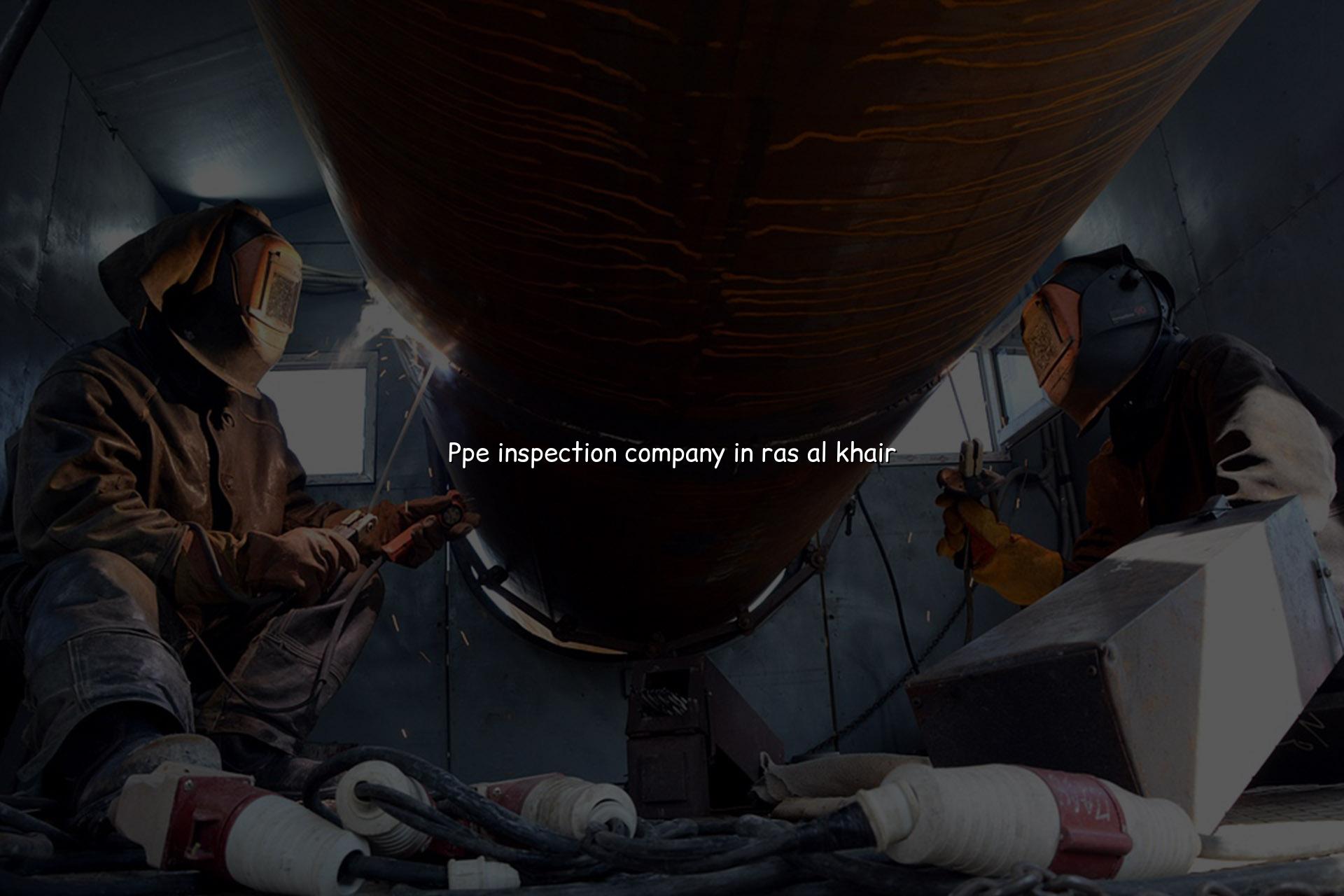
PPE inspection company in Ras Al Khair services help you keep helmets, gloves, harnesses, eye protection and other site gear fit for use before people head into the plant. If you're managing a marine, power, fabrication or heavy-industrial job in the Ras Al Khair area, this page shows how we inspect, record and flag PPE so your team isn't guessing at shift start.
We work with industrial sites that need practical checks, clear pass or fail decisions and records that stand up during HSE reviews. In our day-to-day work, the biggest problems are usually simple: damaged straps, expired items, poor storage and PPE that looks fine until you inspect it against the right standard.
PPE inspection company in Ras Al Khair for site compliance
Ras Al Khair projects don't run on theory. They run on shift changes, permit work, contractor control and equipment that has to be ready when the supervisor asks for it. Our PPE inspection work focuses on visible condition, manufacturer markings, wear, damage, contamination and suitability for the task, so your safety team can decide quickly whether an item stays in service or gets removed.
What we check during a PPE inspection
We look at the parts people actually use: chin straps, stitching, shell condition, visor clarity, glove grip, harness webbing, buckles and labels. For many sites, that simple discipline stops weak PPE from moving around the plant for another week because nobody wanted to be the person who took it out of service.
Why documentation matters on industrial sites
Inspection without records gets messy fast. A good log shows item ID, condition, action taken and the date the check was done, which helps your HSE file, contractor control and internal audits. If you run multiple crews or rotate personnel between work fronts in Ras Al Khair, that paper trail matters more than people expect.
- Receive the PPE batch — we identify the item type, asset tag or batch reference, then separate personal items from shared site stock.
- Inspect visible condition — we check for cracks, tears, deformation, UV damage, contamination and missing parts.
- Check markings and suitability — we review labels, size, intended use and any site-specific requirements before we issue a result.
- Record the decision — each item is marked pass, fail or hold, with notes your team can use during follow-up action.
- Remove damaged PPE before the next shift starts
- Keep contractor PPE logs separate from permanent staff issue records
- Recheck items after cleaning, storage or repair
- Use clear pass or fail tags so supervisors don't have to interpret handwriting
- Link inspection dates to site induction or toolbox talk records where needed
Common PPE items and what inspectors usually look for
| PPE item | Typical inspection point | Why it gets rejected |
|---|---|---|
| Safety helmet | Shell cracks, UV fading, harness wear and date markings | Impact protection can no longer be trusted |
| Full body harness | Webbing cuts, stitching, D-rings, buckles and deformation | Fall-arrest use depends on intact load-bearing parts |
| Gloves | Tears, hardened material, contamination and grip loss | Hands lose protection against abrasion, heat or chemicals |
| Eye protection | Lens scratches, cracked frames, fit and clarity | Visibility and impact protection become unreliable |
How PPE inspection supports safer work at Ras Al Khair
For industrial buyers and HSE teams, the value is simple: fewer unknowns at the point of use. PPE that has been visually checked and logged is easier to control during shutdowns, maintenance campaigns and contractor mobilization, especially where multiple trades are working side by side.
Where the process helps most
We see the strongest benefit in heavy industry, marine work, power generation, fabrication yards, warehousing and utility maintenance. Those are the places where PPE gets used hard, stored badly and replaced too late unless someone owns the inspection process and follows through.
Practical control, not paper exercise
Our team keeps the check focused on real condition, traceable records and a clear decision on each item. That makes it easier for supervisors to issue PPE with confidence and easier for procurement teams to plan replacement before an item becomes a problem on site.
What a good PPE inspection workflow looks like
A workable workflow starts before the inspection itself. The items need to be grouped by type, named by user or by site issue number, and checked against the actual task they are meant to support. A helmet used for general access is not the same as one used in a high-heat area or around lifting operations, and your team should treat them differently.
We also recommend keeping damaged items physically separate once they fail inspection. That sounds basic, but it prevents the same harness or visor from getting back into circulation because someone picked it up from the wrong shelf.
For larger Ras Al Khair sites, the best results usually come from a fixed inspection schedule tied to issue dates, toolbox talks or monthly HSE reviews. That way the site isn't waiting for an incident before it notices an item has worn out.
On contractor-heavy projects, the same discipline helps you standardize checks across different crews. One bad batch of PPE can affect several teams at once, so consistency matters more than people think.
How Mayon Industrial Services Can Help
We support industrial clients with inspection services, calibration, mechanical work and condition monitoring, so your safety and maintenance teams can get one practical partner instead of juggling several vendors. For Ras Al Khair jobs, that means we can align PPE inspection with your broader site controls, HSE checks and maintenance planning. If you need a reliable PPE inspection company in Ras Al Khair, talk to us and we'll help you set up a clear, usable process.
Call +91 99447 80844 (India) or +966 59 633 8012 (Saudi Arabia), email services@mayonservices.com, or message us on WhatsApp.
Frequently Asked Questions
Start with the basics: do they give you clear pass or fail decisions, do they record findings properly, and do they understand industrial site control? If they work around heavy industry, marine or power projects, they should also be comfortable with contractor-heavy environments and site discipline. Ask how they handle damaged items and whether they can support both onsite checks and follow-up records.
At minimum, site teams usually inspect helmets, gloves, eye protection, hearing protection and fall-arrest gear such as harnesses. Depending on the task, you may also need checks on respiratory PPE and protective clothing. The important part is matching the inspection to the actual work, not just ticking a generic checklist.
Yes, onsite inspection is often the easiest way to keep control over active crews and contractor stock. It reduces handling delays and makes it simpler to separate failed items straight away. For larger mobilizations, onsite checks also help your supervisors see the condition of the PPE before it's issued.
Because they show that the item wasn't just handed out and forgotten. Records prove a condition check was done, a decision was made and the item was either cleared or removed. That kind of traceability makes conversations with auditors, clients and internal HSE teams much easier.
Yes, and on many sites that is where the need is strongest. Contractors often arrive with mixed-condition PPE, and the site still has to control what gets used. A consistent inspection process helps you apply the same safety standard to everyone on the job.
Ready to tighten control over PPE on site?
If you need a practical inspection partner for Ras Al Khair or the wider Saudi industrial corridor, we're ready to help you set it up properly.
Contact Mayon