
PPE Inspection Company in Spark
Practical PPE inspection support for job sites, plant shutdowns and warehouse teams that need clear pass or fail decisions.
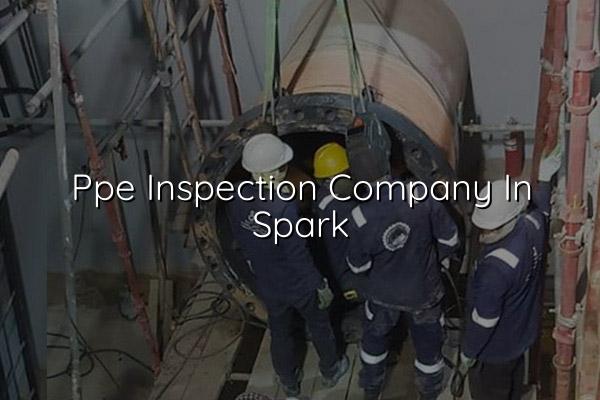
PPE inspection company in Spark services help you catch worn-out gear before it turns into a site problem. If your team needs clear decisions on helmets, harnesses, gloves, eye protection or safety footwear, we inspect the items and give you a practical pass or fail outcome you can act on right away.
We work the way industrial teams actually operate in Chennai, Saudi Arabia and the wider Middle East: under pressure, around shutdown windows, and with mixed fleets of PPE that come from different vendors and batches. For supervisors, HSE leads and procurement teams, that means less guesswork and cleaner control over what stays in service.
PPE inspection company in Spark for day-to-day site safety
When people search for a PPE inspection company in Spark, they usually need a local team that can check equipment without slowing down the job. That often means visual inspection, wear checks, functional checks and documentation that matches the way your permit-to-work system, toolbox talks and store controls already run. We keep the process simple, because most sites don't need drama. They need clear answers.
What we look at during inspection
Our team reviews the condition of each item against its intended use and the practical signs of wear that matter on site. For PPE, that usually includes cracked shells, faded labels, damaged straps, broken buckles, stretched webbing, delaminated soles, torn gloves, compromised visors and anything else that can affect protection. If an item looks serviceable but has hidden damage, we flag it. If it passes, you get a record you can file with the rest of your safety documents.
Why Spark teams ask for documented checks
In plant areas, warehouses and construction yards around Spark, the same issue comes up again and again: gear gets shared, moved between projects or stored badly. That creates wear patterns you won't always spot at a glance. A documented inspection routine helps your HSE team stay ahead of replacement planning, and it gives managers a cleaner basis for control during audits, contractor reviews and internal safety walks.
- Identify the PPE set — separate items by type, batch and user group so the inspection record is easy to track.
- Check visible condition — look for cuts, cracking, distortion, missing parts, contamination and failed stitching.
- Test the working features — confirm straps, buckles, closures, visors and fasteners still behave as they should.
- Mark pass or fail — remove failed items immediately and keep the accepted items in controlled use.
- Keep PPE grouped by task area, not just by store location.
- Remove any item with unreadable labels before the next issue cycle.
- Recheck items after chemical splash, heat exposure or impact.
- Record failures separately so repeat problems can be traced to one supplier or work area.
PPE inspection reference for site teams
| PPE item | Typical inspection focus | When to remove from use |
|---|---|---|
| Safety helmet | Shell cracks, UV fading, harness condition, chin strap wear | Any crack, deformity or loose suspension parts |
| Full body harness | Webbing cuts, stitching damage, buckle function, contamination | Frayed webbing, damaged stitching or failed hardware |
| Gloves | Tears, thinning, punctures, chemical staining, grip loss | When protection or dexterity is visibly reduced |
| Face shield or goggles | Lens clarity, frame damage, strap condition, fit | Scratched or cracked lenses, loose fit, broken retention parts |
How the inspection record helps your safety team
Good PPE inspection isn't just about spotting damage. The record matters too. A proper log helps you show who checked what, what was rejected, and which items need follow-up. That becomes useful during contractor onboarding, internal audits and close-out meetings, especially on industrial sites where several subcontractors are sharing the same stores and welfare areas.
Where this matters most
We see the most pressure in oil and gas support yards, fabrication areas, power projects, construction sites, cold-chain facilities and manufacturing plants. Those places combine dust, heat, movement and repeated handling, so PPE gets hit hard. If you wait for a visible failure, the item has already done too much work. Regular inspection keeps that from happening.
Practical control for mixed PPE inventories
We handle batches that include new issue, returned items and gear that has been in storage for months. That mix is common on shutdowns and project sites. The goal is simple: keep the safe items moving, remove the questionable ones, and avoid arguments at the gate or on the work front.
What a workable PPE inspection cycle looks like
A workable inspection cycle starts with one question: how often do you actually handle the PPE? Items used every day on site need closer attention than stored spares or backup stock. We usually advise teams to align checks with issue, return, and reissue points, then add extra review after incidents, harsh weather, or task changes. That way the process fits the work instead of fighting it.
For Spark-based operations, that approach is especially useful where crews move between workshop spaces, field locations and temporary project compounds. The conditions change fast. Dust, moisture and repeated storage in vehicles can all shorten PPE life, so the inspection rhythm needs to stay close to real use.
Signs you should tighten your controls
If your team keeps finding damaged PPE during shift start, if items are missing labels, or if supervisors can't tell which gear was checked last month, the system needs a reset. That doesn't always mean more paperwork. Sometimes it just means better segregation, clearer tagging and one person owning the register.
- Set one register for issue and return.
- Tag failed items so they can't re-enter service.
- Review stored stock before project mobilisation.
- Match inspection frequency to actual exposure, not just calendar habit.
How Mayon Industrial Services Can Help
We support PPE inspection alongside our wider industrial services, so your safety checks can sit naturally with calibration, mechanical work, inspection and testing. If your site also needs condition monitoring, lab support or commissioning work, our team can coordinate the schedule and keep the paperwork tidy. For teams in Spark, Chennai, Saudi Arabia and across the Middle East, that usually makes the whole job easier to manage.
Call +91 99447 80844 (India) or +966 59 633 8012 (Saudi Arabia), email services@mayonservices.com, or message us on WhatsApp.
Frequently Asked Questions
We normally check helmets, harnesses, gloves, goggles, face shields, safety footwear and any task-specific PPE your crew uses. The exact list depends on the site risk, but the same rule applies: if damage could reduce protection, it needs review. For mixed contractor teams, we also look at labels and traceability so items don't get passed around without control.
Yes, we can document the outcome clearly so your team knows what passed, what failed and what has to be taken out of service. That record is useful for stores control, audits and contractor management. We keep it practical, so supervisors don't need to decode a long technical note just to issue gear.
That depends on how hard the gear is used and how often it changes hands. Daily-use PPE should be checked at issue, return and before reuse, while stored spares need review before they're put back into the field. If the site sees heat, moisture, dust or chemical exposure, the inspection rhythm should be tighter.
Yes, onsite inspection is a normal part of how we work. It's useful when you have a lot of items, a short shutdown window or gear that needs to be checked where it is stored. For some items, pickup and delivery may also make sense if the site setup is better for controlled review back at our lab.
We usually see requests from construction, manufacturing, oil and gas support, power, warehouses and cold-chain operations. Those environments wear PPE quickly because people move, lift, climb and handle gear all day. The inspection logic is the same, but the damage patterns are different, so experience on similar sites helps a lot.
Ready to put PPE checks under control?
If your site needs clear inspection records, faster decisions on failed items and a team that understands industrial work, we're ready to help.
Contact Mayon