
Pressure Calibration Company in Haradh
Traceable pressure calibration for Haradh and nearby industrial sites, with onsite support and controlled lab handling when instruments need it.
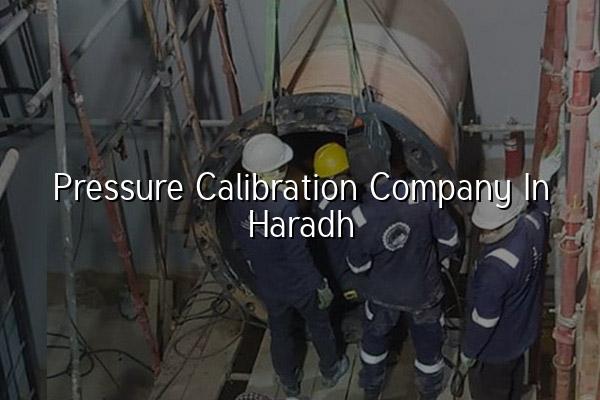
Pressure calibration company in Haradh is the kind of search people make when a gauge, transmitter or pressure switch has to be right before a shutdown, handover or audit. We help you get that confidence back with traceable pressure calibration, practical advice, and a team that understands how plant work really happens in the Eastern Province and nearby industrial sites.
In Haradh, the jobs are rarely small. Oil and gas packages, field maintenance, compressor skids, hydraulic systems and process skids all depend on instruments that stay within tolerance. Our work fits that reality: onsite support where access is tight, controlled in-house handling when instruments need special care, and documented results that suit ISO/IEC 17025:2017 expectations.
What a Pressure Calibration Company in Haradh Should Actually Deliver
A good pressure calibration company in Haradh should do more than attach a certificate to the end of the job. You need the right range coverage, clean handling of reference standards, proper test points, and clear reporting that your QA or maintenance team can file without chasing missing details. That matters across differential pressure transmitters, pressure gauges, digital indicators, dead weight testers, pressure switches and portable test kits used in the field.
We see the same pattern across Saudi Arabia and the wider GCC. Teams call after a drift is found during a loop check, after a shutdown team flags an odd reading, or after a new instrument arrives with no local history. The better route is to set a calibration cycle around the actual service conditions, then keep the records tidy enough for internal audits, vendor reviews and customer inspections.
Where pressure calibration is most used
Haradh work sites often sit inside oil and gas operations, petrochemical support areas, utility systems and maintenance camps. Pressure instruments show up on pumps, filters, compressors, hydraulic units, fire systems and process lines. If you are running critical assets, the calibration record should tell you the range used, the as-found condition, the as-left result and the reference equipment traceability. That is the level people expect when they compare vendors.
Why onsite work helps busy plants
Onsite calibration saves time, but the real benefit is control. You avoid unnecessary removal of instruments that are hard to isolate, and you can test the instrument in the same environment where it operates. For special cases, our temperature-controlled in-house laboratory and mobile calibration lab give you options. Some jobs need pickup and delivery because the instrument must stay protected or stable on the way back.
- Identify the instrument and range — confirm the tag, service point, medium and the expected operating pressure before any work starts.
- Check the condition as found — record visible issues, zero error, drift and any signs of damage or leakage.
- Apply test points across the range — compare readings at several points, not just one mid-scale check, so you can see the full response.
- Decide the next action — if the instrument passes, release it with records; if it fails, plan repair, adjustment or replacement.
- Ask for as-found and as-left results, not just a pass stamp.
- Match the calibration range to how the instrument is actually used on site.
- Keep serial numbers and asset tags consistent in the report and your CMMS.
- Use onsite calibration for fixed systems and in-lab work for sensitive or special-condition instruments.
Pressure Instrument Types We Commonly Handle
| Instrument type | Typical use | Why calibration matters |
|---|---|---|
| Pressure gauges | Local display on pumps, filters and vessels | Shows whether the pointer or digital readout is still within tolerance |
| Pressure transmitters | Control systems and process loops | Protects process stability and keeps the signal aligned with the control room |
| Pressure switches | Trips, alarms and interlocks | Confirms the set point really changes where the system expects it to |
| Dead weight testers and comparators | Reference and test equipment | Supports traceable comparison work for field and lab calibration |
Why ISO/IEC 17025 Traceability Matters in Saudi Operations
Many plants in Haradh work with strict documentation habits because they have to. ISO/IEC 17025:2017 gives you a clear way to show that the calibration is traceable and that the test process is controlled. When that record is solid, maintenance teams spend less time arguing about readings and more time fixing the real issue.
What we keep consistent
We keep the method, the reference equipment, the environmental handling and the report format aligned with the job. That sounds simple, but it stops a lot of headaches later. If your pressure instruments sit inside a critical system, small errors can become expensive quickly, especially during commissioning or planned shutdown work.
Built for field realities
Our work is shaped around site access, instrument condition and the kind of pressure point you’re dealing with. For routine gauge calibration, we can keep things moving on site. For sensitive items or instruments needing special protection, we use the lab path and the pickup-and-delivery option where needed.
How to Plan Pressure Calibration Without Slowing the Job
Planning is where most teams save time. Start by grouping instruments by range and service area, then separate the items that can stay in place from the ones that need bench work. If you are supporting a shutdown, a turnaround or a commissioning sequence, it helps to list the critical loops first so the high-risk items get attention before the plant is waiting on paperwork.
We also suggest a simple internal check before you send anything out. Confirm the tag number, the process medium, the required pressure range and whether the instrument has any special handling notes. That one habit cuts down on repeat visits and missed records.
- Batch similar pressure ranges together to reduce changeover time.
- Separate safety-critical instruments from routine utility items.
- Flag any instrument that showed erratic readings during operations.
- Keep a copy of previous certificates so drift can be reviewed against history.
How Mayon Industrial Services Can Help
We support pressure calibration with onsite service, in-lab handling, mobile calibration capability and practical reporting that fits industrial maintenance work. If you also need mechanical support, electrical testing, inspection, orbital welding or lab setup, our team can keep the scope under one roof instead of splitting it across multiple vendors. That helps when the site is in Haradh and the schedule is already tight.
Call +91 99447 80844 (India) or +966 59 633 8012 (Saudi Arabia), email services@mayonservices.com, or message us on WhatsApp.
Frequently Asked Questions
We can support onsite pressure calibration for instruments that are easier to test where they’re installed. That works well for fixed gauges, transmitters and switches on active plant areas. If a device needs better environmental control, we can route it through our in-house lab instead.
We commonly handle pressure gauges, transmitters, switches, indicators, comparators and dead weight tester related jobs. In practice, that means the instruments used on pumps, compressor lines, process skids and utility systems. If your asset list includes a special range or interface, send it over and we’ll confirm the best handling route.
Yes. Our calibration service is structured around ISO/IEC 17025:2017 expectations, so the report includes the traceability details and the measurement result you need for internal records. We keep the output practical for maintenance and QA teams, not overloaded with filler.
Yes, that’s a common part of the work we support in Saudi Arabia. Haradh sites often need pressure instrumentation checked for process, utility and safety use. We plan around the site conditions, the instrument type and the handling needed to keep the asset safe during service.
That depends on the instrument, the condition it’s in and how critical the process is. If access is simple and the device is stable, onsite is often the easier route. If the item needs special handling, pickup and delivery or lab-based work may be the safer choice.
Ready to keep your pressure readings under control?
Send us the instrument list or talk to our team, and we’ll help you plan the right calibration path for Haradh and nearby sites.
Contact Mayon