
Pressure Calibration Company in Khamis Mushait
Traceable pressure calibration for plants, workshops, and maintenance teams working across southwest Saudi Arabia.
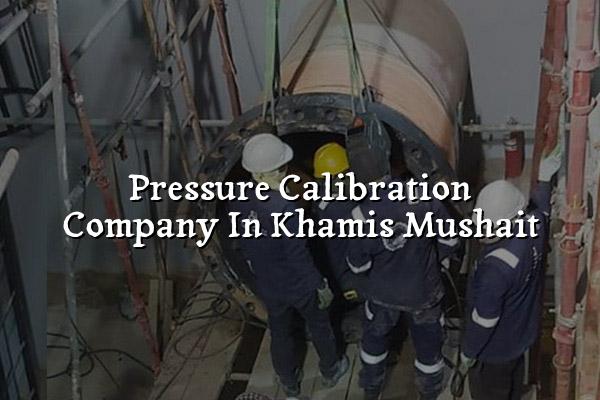
A pressure calibration company in Khamis Mushait needs to do more than issue a certificate. You need readings that stand up in front of QA, maintenance, and audit teams, with traceability that fits the way your plant actually works.
That’s where we help. Mayon Industrial Services supports pressure gauges, transmitters, switches, indicators, and test instruments with ISO/IEC 17025:2017 aligned methods, mobile calibration support, and practical field service for industrial sites in Saudi Arabia and the wider Middle East.
Pressure Calibration Company in Khamis Mushait for Plant Reliability
In Khamis Mushait, pressure calibration usually sits inside a bigger reliability problem. A unit may be running compressors, pumps, hydraulic systems, boilers, or process lines that all depend on a few pressure instruments being correct. If one gauge drifts, you can see bad control decisions, nuisance trips, or maintenance work that chases the wrong fault.
What we check during pressure calibration
We compare the instrument against reference equipment that is controlled and traceable, then check how it behaves across the expected operating range. For many sites, that means low, mid, and high points rather than a quick pass/fail glance. The goal is simple: know whether the instrument is still fit for process use, or whether it needs adjustment, repair, or replacement.
Why local teams ask for onsite support
Plants in Saudi Arabia often prefer onsite calibration because removing pressure devices from service can disrupt operations. Our mobile calibration lab helps reduce that interruption. For instruments that need special handling, we can arrange pick-up and delivery so the work is still handled under controlled conditions.
- Identify the pressure points — list the gauges, transmitters, switches, and controllers that affect production, safety, or quality.
- Confirm the range and tolerance — check the working span, process media, and acceptable error band before testing starts.
- Test at multiple points — compare the instrument reading across the range, not just at one value near the middle.
- Record the result clearly — document pass, fail, adjustment, or repair so maintenance and QA can act without guessing.
- Plan the next action — decide what stays in service, what needs correction, and what should be rechecked during the next shutdown.
- Use calibration intervals based on drift history, not habit alone.
- Match the reference standard to the instrument range before the visit begins.
- Keep process tags and serial numbers ready so certificates stay clean.
- Separate critical safety devices from routine process gauges in your register.
- Ask for onsite work when shutdown time is tight or access is difficult.
Common Pressure Devices and How They’re Typically Handled
| Instrument | Typical Use | Common Service Approach |
|---|---|---|
| Pressure gauge | Local indication on pumps, compressors, and lines | Bench or onsite comparison against a traceable reference |
| Pressure transmitter | Signal input to control systems and monitoring loops | Multi-point calibration and output verification |
| Pressure switch | Alarm, interlock, or trip action | Set-point check, repeatability review, and functional test |
| Hydraulic test gauge | Testing and commissioning work | Verified before use, especially where field pressure matters |
How Traceable Pressure Calibration Supports Saudi Operations
Auditors and plant owners in Saudi Arabia often want one thing above all: confidence that the numbers are real. ISO/IEC 17025:2017 matters because it ties the result to controlled methods, competent work, and documented traceability. That helps when your equipment is used in oil & gas, petrochemical, power, manufacturing, or cold-chain facilities where pressure readings affect safety and product quality.
Why certificates matter less than the record behind them
A certificate is useful, but the test record is what helps maintenance teams act. When a gauge shows drift beyond tolerance, you want to know the deviation, the range checked, and whether the device can stay in service. That’s the kind of detail our team builds into the service workflow.
Built for industrial plants, not just benches
We work with teams that cannot stop a line just to send one instrument away. Our in-house laboratory, mobile calibration capability, and pick-up and delivery option give you flexibility for routine and special-condition pressure devices.
What You Should Prepare Before a Pressure Calibration Visit
Good preparation saves time on the floor and cuts down on repeat visits. Most issues we see are basic: missing tag numbers, unclear range details, old process sheets, or devices installed in places that need special access. When your team gathers those details early, calibration becomes a controlled job rather than a scramble.
For sites in Khamis Mushait, Abha, and nearby industrial areas, this matters even more when the plant runs on tight maintenance windows. Pressure instruments are often connected to systems that also need electrical testing, mechanical checks, or commissioning support, so one visit may need several trades working in sync.
Simple details that help us get it right
We usually ask for instrument type, serial number, range, process connection, and location. If a transmitter is installed on a skid, or a gauge sits on a high line near a compressor, that context helps us bring the right tools and plan the right approach. Small details save real time.
- Share the asset list before the visit where possible.
- Flag any instrument used for safety shutdown or process protection.
- Tell us if the unit has hazardous access, height limits, or confined spaces.
- Keep spare seals, fittings, or mounts ready if replacement may be needed.
Why Teams Look Beyond a Basic Calibration Shop
Some providers only handle a narrow set of instruments. That can be fine for a simple workshop, but industrial plants usually need more. Pressure work often sits beside dimensional calibration, electrical testing, mechanical services, and commissioning support, especially when a shutdown covers several systems at once.
We’ve found that maintenance managers value one team that can handle the instruments, the access issues, and the paperwork without creating extra coordination work. That’s why our service model includes in-lab work, mobile calibration, and broader industrial support through our Saudi and India operations.
Keep the process moving
Pressure devices are small, but the decisions tied to them are not. If you’re planning a shutdown, a new line start-up, or a QA audit, it helps to have pressure calibration handled by a team that already understands plant conditions in Saudi Arabia and the Middle East.
How Mayon Industrial Services Can Help
We support pressure calibration for gauges, transmitters, switches, and related test equipment with ISO/IEC 17025:2017 aligned workflows, onsite service, and controlled in-house work when special handling is needed. If your site in Khamis Mushait needs pressure instruments checked alongside mechanical maintenance, commissioning, or inspection tasks, we can plan the job around the plant’s real schedule.
Call +91 99447 80844 (India) or +966 59 633 8012 (Saudi Arabia), email services@mayonservices.com, or message us on WhatsApp.
Frequently Asked Questions
That depends on the equipment you run and how much downtime you can accept. For industrial plants, look for a provider that can handle onsite work, traceable methods, and clear records for QA and maintenance. We work that way for Saudi clients who need pressure instruments checked without disrupting production.
Yes, many of them can. Onsite calibration is common when the instrument is installed in a hard-to-remove location or when the line can’t be taken out for long. Our mobile calibration setup is meant for exactly that kind of job.
For calibration competence, ISO/IEC 17025:2017 is the main reference to ask about. In practice, you also want traceable reference equipment, proper records, and a lab or field process that your QA team can review without confusion.
If the reading is outside tolerance, the device is drifting, or the response is unstable, adjustment or replacement may be needed. The decision depends on the instrument type, the error pattern, and whether the device can still meet your process or safety requirement after testing.
Yes. We’re set up for calibration, mechanical services, electrical testing and commissioning, inspection, and related industrial support. That makes it easier when your shutdown includes more than one trade and you don’t want to coordinate multiple vendors for one site.
Need pressure readings you can trust?
If your Khamis Mushait site needs traceable pressure calibration, talk to a team that works with plants, maintenance managers, and QA teams every day.
Contact MayonChoosing the right pressure calibration company in Khamis Mushait is really about confidence in the numbers and less downtime on site. Mayon Industrial Services gives you both, with practical field support and the industrial experience to keep your instruments ready for work.