
Pressure Calibration Company in Madina
Traceable pressure calibration for plants in Madina, with onsite support, lab checks and clear documentation for industrial teams.
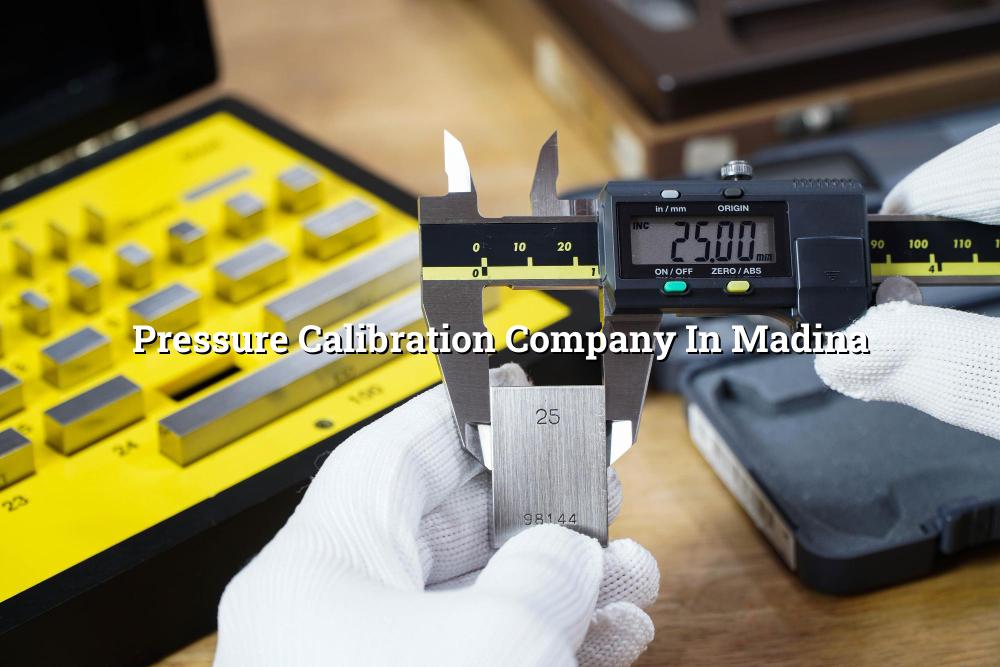
Pressure calibration company in Madina searches usually come from teams that need instruments checked before a shutdown, a maintenance window or a handover. That’s exactly where we help: we keep pressure gauges, transmitters, switches and related instruments traceable, readable and fit for site use.
We work with industrial customers across Madina and the wider Saudi market, and we also support India and the Middle East from our ISO/IEC 17025:2017 compliant setup. If your site needs onsite calibration, controlled lab work or a pickup arrangement for sensitive instruments, we can plan it around your plant conditions instead of forcing a one-size-fits-all visit.
What a Pressure Calibration Company in Madina Should Actually Do
A good pressure calibration company in Madina should do more than compare a reading and print a sheet. You need traceability, the right reference range, stable environmental control and technicians who know the difference between a general-purpose gauge and a transmitter in a critical process line. In petrochemical, power, manufacturing and cold-chain utilities, that difference matters because a small drift can affect product quality, safety checks or equipment protection.
Where pressure calibration fits into daily maintenance
We see pressure instruments in compressors, hydraulic systems, pumps, test benches, filtration skids, boilers, process headers and utility lines. Some are inspected during planned shutdowns in Madina Industrial City, while others are calibrated during site visits because removing them would interrupt production. The job is not only to confirm the reading, but to check repeatability, watch for wear, note damage to ports or fittings and make sure the instrument still behaves the way your maintenance team expects.
Why traceability matters for Saudi and GCC sites
In Saudi Arabia, many plants ask for calibration evidence they can file with QA, maintenance and procurement records. That usually means a clean calibration certificate, known reference standards and a process aligned with ISO/IEC 17025:2017. When a customer asks for pressure calibration, they often want proof that the reading can stand up during an audit, a vendor review or a turnaround closeout, not just a quick pass mark.
- Identify the instrument type — we confirm whether it’s a gauge, transmitter, switch, manometer, comparator-connected unit or another pressure device.
- Check the working range — the reference standard has to suit the span, so the calibration covers the range you actually use on site.
- Inspect the condition first — damaged sockets, sticky pointers, leaks, corrosion and loose fittings can distort the result before any adjustment starts.
- Run the comparison points — readings are checked at selected points up and down the range to see how the instrument behaves under load and return.
- Record and report clearly — the outcome is documented so your team knows what passed, what needs repair and what should be withdrawn.
- Use onsite calibration when the instrument is tied to a running process or installed in a difficult-to-remove line.
- Use lab calibration when the device needs controlled conditions, tighter observation or special handling.
- Plan calibration before shutdowns so QA teams have time to review certificates and tags.
- Match the reference standard to the pressure range, connection type and accuracy needs of the instrument.
- Keep spare gauges and critical spares ready when the unit supports a safety or production function.
Common Pressure Instruments and How They’re Usually Handled
| Instrument Type | Typical Site Use | Common Calibration Focus |
|---|---|---|
| Pressure Gauge | Pumps, compressors, utility lines | Pointer movement, zero error, repeatability |
| Pressure Transmitter | Process control and monitoring | Loop response, linearity, output check |
| Pressure Switch | Protection and alarm circuits | Set point, reset point, hysteresis |
| Digital Pressure Indicator | Test benches and verification work | Reading stability, display accuracy, connection integrity |
Why onsite pressure calibration is often the better fit
Not every pressure instrument should be removed from service. In many Madina plants, access is limited, the line is part of a live process, or the unit needs to stay in position for functional checks. Onsite calibration lets us work around that reality, which saves handling risk and helps your maintenance team keep the job moving without unnecessary disassembly.
Lab checks still have a place
Some instruments are simply better handled in a controlled environment. A temperature-controlled in-house lab gives us a stable setting for sensitive pressure work, while our mobile calibration capability covers site needs when removal isn’t practical. For instruments that need special conditions, we can also arrange pickup and delivery so they reach the right environment before calibration starts.
Made for real maintenance schedules
Madina site teams usually care about one thing: can the instrument go back into service with confidence? That means clear tagging, clean records and a result your engineers can actually use. We see this often in oil & gas, petrochemical, power, manufacturing and cold-chain facilities where pressure readings support safety and process control every day.
What to prepare before booking pressure calibration
Before you book a calibration visit, it helps to gather the instrument list, pressure range, connection type and the location where each item is installed. If the device is part of a shutdown or a live utility, tell us that early. It changes the way we plan access, safety support and sequencing.
We also recommend telling us whether the instrument is critical for interlocks, final product checks, vessel protection or routine operator monitoring. That context helps us prioritize the right devices first, especially when you’ve got a tight maintenance window in Madina or across the Eastern Province.
One thing people often miss: fittings and adapters. A perfectly good gauge can still waste time if the connection type isn’t known. Give us that detail up front and the job runs smoother.
- Share the pressure range and unit type before the visit.
- Tell us if the item is mounted, fixed or easy to remove.
- Note any recent repairs, leaks or abnormal readings.
- Keep asset tags or serial numbers ready for certificate records.
How Mayon Industrial Services Can Help
We handle pressure calibration as part of a wider industrial service line that includes calibration services, mechanical support, inspection, testing and commissioning, lab setup and training. If you need a pressure calibration company in Madina that understands plant work, our team can support onsite jobs, in-lab checks and pickup arrangements for instruments that need special handling.
Call +91 99447 80844 (India) or +966 59 633 8012 (Saudi Arabia), email services@mayonservices.com, or message us on WhatsApp.
Frequently Asked Questions
We commonly calibrate gauges, transmitters, switches and digital indicators. If the instrument is part of a process line, a hydraulic system or a test setup, we first check the range and connection type so we can plan the right method. That keeps the job practical for site teams.
Yes. Onsite calibration is often the right choice when the instrument is installed in a live plant, a utility line or a location that’s awkward to remove from service. We also have a mobile calibration lab for field work, which helps on jobs where access is tight.
Our calibration work follows ISO/IEC 17025:2017 principles for competence and traceability. That matters when your QA team needs certificates they can file and review later. For Saudi and GCC sites, that traceable paper trail is usually part of the purchase and maintenance expectation.
Yes. We can arrange pickup and delivery for instruments that need controlled handling or a lab setting. That’s useful for sensitive items, and it helps when the customer wants the unit checked outside the plant environment without risking damage during transport.
We most often see requests from oil & gas, petrochemical, power, manufacturing, healthcare and cold-chain operations. Those sites rely on pressure readings for safety, process control and equipment protection, so calibration is part of normal upkeep rather than a one-time task.
Ready to put your pressure readings back on track?
If you need a pressure calibration company in Madina that works with plant realities, send us your instrument list and we’ll help you plan the next step.
Contact Mayon