
Pressure Calibration Company in Marjan
Onsite and in-lab pressure calibration for Marjan plants, with traceable results and practical support for maintenance teams.
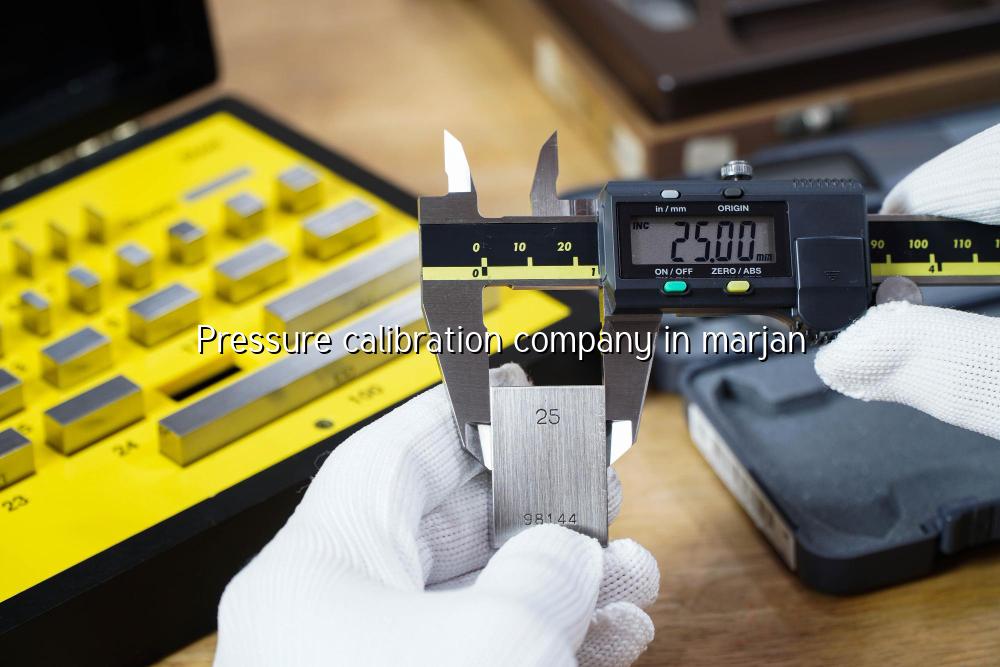
Pressure calibration company in Marjan teams call us when gauges, transmitters and test instruments have to be trusted on a live job. We help you confirm accuracy, protect safety margins and keep your maintenance records in order without wasting time on guesswork.
Our work fits the way Marjan-side projects run in Saudi Arabia and the wider GCC: field conditions, tight shutdown windows, and equipment that still has to meet traceable quality control. We support plants from Dammam Industrial City 2 through to offshore and onshore industrial sites with onsite visits, mobile lab capability and in-house calibration backed by ISO/IEC 17025:2017.
Pressure calibration company in Marjan for traceable plant work
Pressure instruments drift for simple reasons: vibration, temperature swings, over-range events and plain wear. In a Marjan environment, that shows up on process gauges, differential pressure transmitters, pressure switches, relief-related test points, hydraulic systems and portable test kits. The job is not only to adjust a reading. You need traceability, clear as-found and as-left data, and a technician who understands how the instrument is used on the floor.
What our pressure calibration covers
We calibrate pressure instruments in the ranges and formats that maintenance and QA teams actually use. That includes analog and digital gauges, pressure transmitters, indicators, switches, vacuum instruments, manometers and test equipment used in commissioning or routine verification. For plants handling oil & gas, petrochemical, power and manufacturing work, the point is simple: measurement has to stay believable under real service conditions.
Onsite work or lab work?
Both, depending on the job. Our temperature-controlled in-house laboratory is a strong fit for instruments that need stable conditions, while our fully equipped mobile calibration lab helps when you want the work done at your site. If an instrument needs special handling, we can also arrange pick-up and delivery so it reaches the right environment without extra stress.
- Identify the instrument — confirm the range, connection type, medium and where it’s installed in the process.
- Check the condition first — note physical damage, leakage, corrosion, zero shift and any past repair history.
- Compare against reference standards — use traceable pressure standards and record the as-found result before any adjustment.
- Adjust and verify — make the necessary correction, retest at suitable points and confirm stable performance.
- Document for your records — issue calibration data you can use for internal audit, maintenance planning and compliance files.
- Useful for shutdown planning, routine PM and pre-startup checks.
- Fits site instruments used in hydraulic, pneumatic and process applications.
- Supports traceability expectations common in Saudi industrial projects.
- Helps maintenance teams catch drift before it affects production or safety.
Typical pressure calibration items and where they fit
| Instrument | Typical site use | What we check |
|---|---|---|
| Pressure gauge | Pumps, compressors and utility systems | Zero, span, repeatability and visible damage |
| Pressure transmitter | Process loops and control systems | Output response, linearity and as-found drift |
| Pressure switch | Alarm and interlock applications | Set point behavior and switching consistency |
| Test gauge / reference gauge | Workshop and field verification | Traceable comparison against working standards |
Why Marjan teams care about traceability
When pressure readings sit inside a process loop, the risk is bigger than a bad display. A drifting transmitter can affect control logic, create nuisance shutdowns or hide a real fault until the wrong moment. That’s why our calibration work is tied to ISO/IEC 17025:2017 competence and clear recordkeeping, with the practical detail that engineers and auditors both want to see.
What the paperwork should tell you
You should be able to read the result, the condition at receipt and the final status without hunting through notes. We keep the output useful for your maintenance system, your quality file and your vendor review. For Saudi and GCC plants, that clarity matters because the same instrument may move between workshop testing, field installation and commissioning support.
Built for real plant conditions
Our team works across oil & gas, petrochemical, power, construction, healthcare, pharmaceutical, cold chain, food & beverage and manufacturing sites. That mix helps because pressure calibration in a compressor room is not the same as verification on a utility skid or a cold-chain pressure system. We match the method to the job, not the other way around.
How to choose a pressure calibration partner in Marjan
Procurement teams usually start with the certificate, but the real question is whether the provider can handle your site reality. For Marjan and nearby industrial areas, that means knowing when to send a mobile lab, when an instrument should come to the temperature-controlled facility, and when a pick-up arrangement is the safer option. It also means understanding the difference between a routine gauge check and a calibration job that affects startup or compliance sign-off.
What we look at before we accept the job
We ask about pressure range, medium, connection, quantity, site access and whether the instrument is part of a critical loop. That helps us decide the right setup and avoid wasted trips. If you have multiple instruments from the same skid or panel, grouping them usually makes more sense than handling each one as a one-off. Simple, but it saves friction.
When calibration is a better call than repair
Sometimes the issue is obvious damage. Other times the instrument is still working but no longer trustworthy. In those cases, a calibration check gives you evidence before you decide on repair, replacement or continued use. That is especially useful when an audit file or shutdown decision depends on the next step.
- Ask for as-found and as-left data, not just a pass stamp.
- Confirm the provider can handle onsite, in-lab and pick-up jobs.
- Make sure the service fits your instrument type and process range.
- Keep calibration due dates tied to maintenance planning, not panic.
More than pressure calibration
Condition monitoring
We support vibration analysis, laser shaft alignment, ultrasound monitoring and infrared thermography when pressure issues sit alongside rotating equipment concerns.
Mechanical and electrical work
Cold cutting, hydrotesting, bolt torquing, testing & commissioning, relay checks and substation work all sit close to the same shutdown planning that pressure calibration depends on.
Lab setup and training
If you’re building your own lab or training technicians, we can help with design, commissioning and calibration management workshops.
How Mayon Industrial Services Can Help
We handle pressure calibration for gauges, transmitters, switches and test equipment with the kind of field sense that comes from working around real plants. If your team needs onsite support in Marjan, in-lab calibration in Saudi Arabia, or help moving instruments that need special care, we can line it up around your schedule. We also support related mechanical, inspection and commissioning work when your shutdown scope is broader than one instrument family.
Call +966 59 633 8012 (Saudi Arabia) or +91 99447 80844 (India), email services@mayonservices.com, or message us on WhatsApp.
Frequently Asked Questions
The best fit is the provider that can reach your site, handle your instrument type and give you traceable results you can use. For Marjan projects, onsite work is often the sensible choice when the instruments are tied to live equipment or when pulling them out would slow the job. We help with that setup from Saudi Arabia and the wider region.
Yes. We calibrate pressure gauges, transmitters, switches and related test instruments either onsite or in our lab, depending on what the job needs. If the instrument needs special handling, we can also discuss pick-up and delivery so it reaches the right environment.
Yes, we work with ISO/IEC 17025:2017 traceability expectations for calibration work in Saudi Arabia and across the Middle East. That matters when your records have to stand up to internal quality checks, vendor reviews or project handover files. We keep the process practical, not overcomplicated.
Usually we need the instrument list, ranges, quantity, site location and any special access notes. If you have serial numbers, previous records or a shutdown window, send those too. The cleaner the information, the easier it is to plan the job without back-and-forth.
Yes, that is one of the environments we regularly support. Oil and gas sites often need careful planning because pressure instruments can sit on critical systems, test manifolds and utility skids. We work with the maintenance team so the job fits the plant’s access and safety rules.
We can advise you on the next step if the instrument shows damage, drift or unstable performance during the check. In some cases calibration is enough, and in others repair or replacement makes more sense. We also support repair and maintenance for related equipment, so you have a practical path forward.
Ready to put pressure readings on solid ground?
If you need a pressure calibration partner in Marjan, talk to our team and we’ll help you plan the right onsite or in-lab approach.
Contact Mayon