
Pressure Gauge Calibration Company in Safaniya
Traceable calibration support for Safaniya pressure gauges used in oilfield, maintenance and testing work.
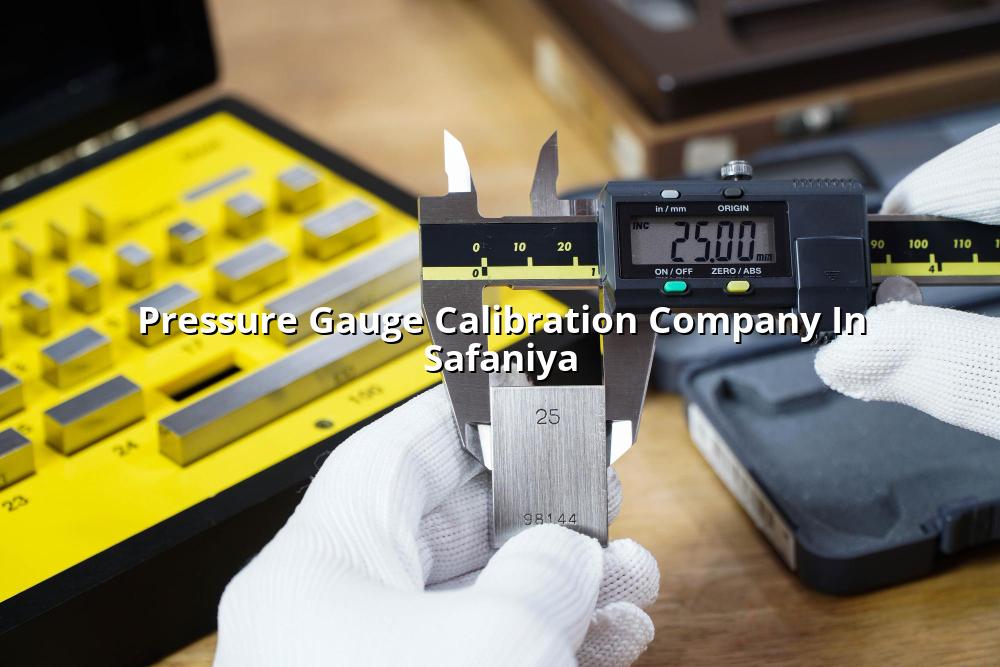
Pressure gauge calibration company in Safaniya support matters when a gauge is feeding a shutdown decision, a pump test, or a maintenance handover. If the reading is off, the whole job starts drifting too. We help you get the instrument checked against traceable standards so your team can trust the number on the dial.
Our work fits the way Safaniya and the wider Saudi Eastern Province actually operate: oilfield maintenance, process plants, workshop tools and site equipment that move between offshore, coastal and industrial settings. We calibrate in our controlled laboratory or on site with a mobile calibration lab, and we also handle pick-up and delivery when an instrument needs special care.
Pressure gauge calibration company in Safaniya for field and plant work
When teams search for a pressure gauge calibration company in Safaniya, they usually need one of three things: a quick decision on a suspect gauge, a routine calibration list for plant shutdown, or a formal traceable certificate for QA records. We handle all three. The gauges may sit in hydraulic rigs, compressor skids, test pumps, line-up kits or pressure vessels, and each one needs the same careful treatment before it goes back into service.
What we check during calibration
We compare the gauge reading with reference standards under controlled conditions and check repeatability, zero error and indication at multiple points across the range. That matters for analog gauges too, not just digital ones. A gauge that looks fine at mid-scale can still drift at the low end or near full scale, and that's where maintenance teams usually get caught out.
Why traceability matters on Saudi sites
In Safaniya, pressure readings are often used for safety checks, leak testing and operational sign-off. That means the certificate can't be a loose note from the bench. Our ISO/IEC 17025:2017 compliant process is built for audit trails, calibration records and clear results that your team can file without second guessing the method.
- Identify the gauge and range — we confirm the make, model, range, mounting type and the pressure medium used on site.
- Inspect before testing — the dial, pointer, socket, bourdon tube connection and casing are checked for visible damage or contamination.
- Run comparison points — the gauge is compared against a suitable reference across the scale so we can see where it holds and where it drifts.
- Record results and issue status — we document the findings, note pass or fail, and return the gauge ready for QA use or corrective action.
- Keep gauges clean and capped before transport to protect the socket and pointer movement.
- Send the gauge with its usual range details; that helps us match the right reference setup.
- Flag any process medium exposure, especially oil, water, slurry or corrosive service.
- Separate safety-critical gauges from general workshop gauges so they can be prioritised correctly.
Common pressure gauge checks and where they fit
| Gauge type | Typical use | What we verify |
|---|---|---|
| General process gauge | Skids, pumps and line pressure checks | Indication across the range, zero return, pointer stability |
| Hydraulic test gauge | Pressure testing and commissioning | Range suitability, repeatability, visible damage, leakage signs |
| Compressed air gauge | Compressors and air receivers | Low-end response, scale consistency, condition of fittings |
| High-range industrial gauge | Oilfield and heavy plant service | Mid-scale accuracy, overrange signs, mounting integrity |
How we fit into maintenance schedules and shutdown work
Most plants don't send gauges one by one if they can avoid it. They batch them with the shutdown list, test-rig spares and instruments from the same area, which saves time and keeps records tidy. That is how we usually support Safaniya clients: we plan around the work package, not around a single instrument in isolation.
Onsite or in-lab?
Onsite calibration is the right fit when the gauge is already installed, part of a larger test arrangement, or needed back in service quickly. In-lab work is better when the instrument needs controlled handling, closer inspection or transport under special conditions. If you're unsure, send the details and we'll tell you which route makes more sense.
For teams that need clean records
Our certificates and calibration records are meant for QA files, vendor audits and internal maintenance logs. That helps during plant inspections, equipment handover and repeat work on the same asset family.
What usually causes gauge errors?
We see the same patterns again and again. Vibration loosens internals. Overpressure bends the sensing element. Moisture creeps into the case. Sometimes the gauge is simply the wrong range for the job, so it lives near the top stop and drifts sooner than expected. Those issues are common in oil and gas maintenance work, especially where equipment gets moved between the workshop and the field.
If a gauge is used on temporary hook-ups, flushing lines or hydrotest rigs, the risk goes up. A small nick on the socket or an unnoticed case crack can turn into a false reading later. The fix is straightforward: inspect before and after use, and keep calibration records tied to the instrument serial number.
What you should send with each gauge
We work faster when you include the instrument range, units, process connection, media exposure and any known issue. If there's a special tag or asset number in your system, send that too. It sounds simple, but it saves a lot of back-and-forth when we are matching the certificate to your internal register.
- Check the gauge for needle bounce before you trust the reading.
- Keep a spare gauge for critical lines so you can swap out suspect units fast.
- Use one naming format across stores, maintenance and QA records.
- Retire gauges that have obvious physical damage, even if they still move.
How Mayon Industrial Services Can Help
We calibrate pressure gauges as part of a wider industrial service set that includes ISO/IEC 17025 calibration, mechanical work, inspection, orbital welding, lab setup and maintenance support. For Safaniya jobs, that means you can keep one contact for site gauges, workshop instruments and related testing work instead of splitting the job across multiple vendors.
Our team serves Saudi Arabia from Dammam Industrial City 2 through SMC Engineering Services / Sixfaces Maintenance Co, and we can coordinate work for clients across India and the Middle East too. If you need a dependable pressure gauge calibration company in Safaniya, talk to us and we’ll help you plan the next step.
Call +91 99447 80844 (India) or +966 59 633 8012 (Saudi Arabia), email services@mayonservices.com, or message us on WhatsApp.
Frequently Asked Questions
Yes, we support Safaniya clients with onsite and in-lab pressure gauge calibration. If the gauge is already installed or part of a test set, onsite is often the cleaner option. If it needs closer handling or controlled transport, we can arrange the right route and keep the records tied to your asset list.
If the needle sticks, bounces, doesn't return to zero, or gives a reading that looks off compared with another trusted gauge, it's time to check it. We also see gauges sent in after overpressure events, vibration-heavy service and maintenance shutdowns. Those are the jobs where hidden drift shows up first.
Yes. We use mobile calibration capability for onsite work where access, equipment condition and job planning make that the right choice. For some gauges, especially those needing special handling or a more controlled setup, bringing them to the lab is the better move.
Yes, we document the calibration results so your QA team can file them with maintenance and inspection records. That is especially useful for oil and gas, petrochemical and manufacturing sites where equipment history gets reviewed during audits or handover. We keep the process focused on traceability and clear identification.
We regularly support oil and gas, petrochemical, power, construction, manufacturing and cold-chain operations. The job changes from site to site, but the need is the same: dependable pressure readings, proper records and a team that understands field conditions. Safaniya is a strong fit for that kind of work because of its industrial and energy profile.
Ready to put trustworthy pressure readings back at the centre of the job?
Send the gauge details, and we'll help you plan calibration for Safaniya, Dammam or your wider site list across Saudi Arabia and India.
Contact Mayon