
Temperature Calibration Company in Jizan
Onsite and in-lab temperature calibration for plants, cold chain, labs and maintenance teams in Jizan.
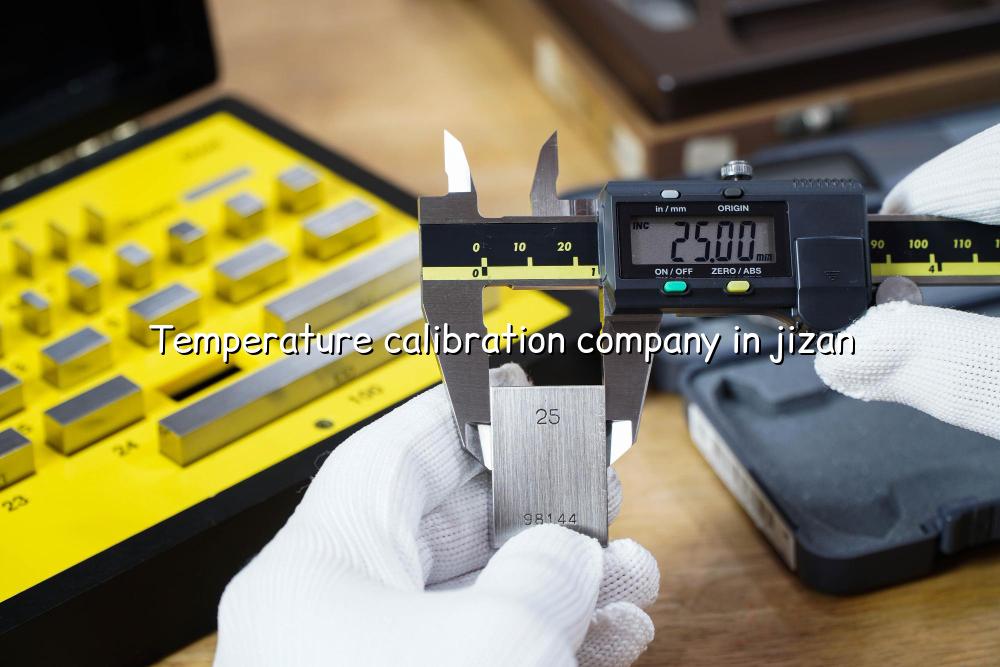
Temperature calibration company in Jizan services matter when your process depends on numbers you can trust. If you're handling cold rooms, warehouses, process instruments or thermal chambers, we help you keep readings traceable and useful on the floor.
We work with maintenance, quality and production teams that need practical calibration, not paperwork for its own sake. In Jizan and the wider Saudi industrial belt, that usually means onsite work, careful handling of instruments, and ISO/IEC 17025:2017 traceability that fits plant audits and customer checks.
What a Temperature Calibration Company in Jizan should handle
A good temperature calibration company in Jizan has to cover more than just probes and indicators. In practice, that means thermocouples, RTDs, data loggers, ovens, freezers, chillers, thermal chambers and process displays, with enough discipline to support food, pharma, petrochemical and cold-chain work. The real test is simple: can the results stand up to internal QA review, vendor audits and routine maintenance decisions?
Onsite service keeps plants moving
Most teams don't want to remove every sensor from service if they don't have to. Onsite calibration helps when instruments are installed in production, storage or utility areas and the shutdown window is short. Our mobile calibration lab is built for exactly that kind of work, so we can handle many temperature instruments where they are used instead of turning every job into a removal-and-return exercise.
In-house lab work helps when conditions matter
Some items need tighter handling, special conditions or a controlled setup. That's where our temperature-controlled in-house laboratory comes in. It suits instruments that need careful bench work, repeat checks or pickup and delivery, and it gives your team a cleaner route for instruments that shouldn't be moved around casually in Jizan heat and dust.
- Identify the instrument and range — confirm whether you're dealing with a probe, controller, logger or chamber monitor, and note the normal operating span.
- Check the use point — look at whether the device is fixed in a process line, cold room, reefer vehicle or lab area.
- Choose onsite or lab service — onsite suits installed equipment; bench service suits items needing controlled conditions or special handling.
- Compare against traceable references — the calibration setup is matched to the instrument class and the applicable temperature points.
- Review the findings — acceptance, adjustment need, and any drift trend are checked before the instrument goes back to work.
- Use calibration intervals that match your process risk, not just a calendar habit.
- Keep serial numbers and location tags consistent so audit trails stay clean.
- For cold-chain work, include the actual storage condition in the job notes.
- Ask for clear pass/fail reporting so maintenance can act without guessing.
- Separate field instruments from reference devices during storage and transport.
Temperature assets we calibrate for Jizan sites
| Asset type | Where it is used | Why calibration matters |
|---|---|---|
| RTD and thermocouple probes | Process skids, ovens, freezers | They feed control loops and need trustworthy readings |
| Temperature data loggers | Cold rooms, warehouses, reefer trucks | They document storage conditions for QA and customers |
| Thermal chambers | Labs, product testing, qualification work | Uniformity and stability affect test validity |
| Digital indicators and controllers | Panels, skids, utility systems | Setpoints and displayed values must match reality |
Why traceable temperature work matters in Saudi industry
Jizan sites often sit in supply chains that don't forgive poor temperature control. Cold chain storage for food and pharmaceutical items, industrial ovens, utilities and chemical processes all depend on stable readings. When an instrument drifts, the problem usually shows up later as a quality issue, not as a neat warning on the day it happens.
What teams usually want to see
They want clear identification, measured values, the standard used, and a result they can file without rewriting it for audit season. ISO/IEC 17025:2017 competence is the right baseline for that work. If the task is linked to wider quality systems, ISO 9001:2015 supports the management side, while EURAMET CG-15 can be relevant for electrical calibration work connected to temperature systems and supporting instruments.
Built for plants, warehouses and labs
We see the same pattern across Jizan, Dammam and other Gulf industrial areas: teams need a service that can move between production, storage and lab settings without losing traceability. That is why our setup includes onsite capability, pickup and delivery for special cases, and support for instruments that need careful handling rather than a quick swap.
How to choose the right service route for temperature calibration
Don't choose the service path by habit. Start with the instrument location, how sensitive the process is, and whether the equipment can be removed without stopping production. A reefer vehicle logger and a lab oven don't need the same handling, even if both deal with temperature.
For Jizan operators, the useful question is often about logistics. If the device is fixed in place or tied to a live process, onsite service usually makes more sense. If the instrument needs controlled conditions, or if it's a batch of items coming from several lines, in-house calibration with pickup and delivery can be the cleaner option.
- Fixed assets often suit onsite work.
- Special-condition items are better handled in a controlled lab.
- Cold-chain devices need careful packing and chain-of-custody notes.
- Multi-site operations benefit from one calibration record format.
How Mayon Industrial Services Can Help
We support temperature calibration in Jizan with onsite work, in-lab handling, and pickup and delivery for instruments that need special conditions. Our team also covers related industrial needs like inspection, mechanical services, lab setup and training, so your maintenance plan doesn't have to be split across too many vendors. If you're managing a plant, warehouse or cold-chain site, talk to us and we'll help you match the service route to the instrument.
Call +91 99447 80844 (India) or +966 59 633 8012 (Saudi Arabia), email services@mayonservices.com, or message us on WhatsApp.
Frequently Asked Questions
Honestly, the best fit is the one that can handle your instruments onsite, in a controlled lab, and with traceable reporting. For industrial sites in Jizan, that usually means a provider that understands cold-chain, process equipment and maintenance shutdowns, not just bench-only calibration. ISO/IEC 17025:2017 competence matters here.
Yes. Onsite calibration is often the better choice for installed probes, fixed panels, cold rooms and equipment that would be awkward to remove. We use a mobile calibration lab for many field jobs, which helps reduce handling and keeps the workflow closer to your actual operating setup.
We commonly support data loggers, indicators, probes, controllers and related monitoring devices used in cold rooms, warehouses, freezers and reefer vehicles. Those assets need careful records because storage compliance depends on the numbers being believable, not just present on a screen.
We do for instruments that need special conditions or are better handled in the lab. That works well when the item shouldn't travel loosely, or when the job is part of a broader batch of calibration items from one plant. It's a practical option for teams that want fewer handling steps.
Because it tells your QA team and your customer that the work is being done with a known technical method and controlled measurement discipline. For temperature work in Saudi industrial environments, that traceability helps when you face supplier audits, internal checks or sector-specific quality reviews. It also makes the calibration record much easier to defend later.
There isn't one fixed answer for every site. The right interval depends on how critical the process is, how often the instrument is used, and what your internal quality plan says. A busy cold-chain logger and a lightly used lab indicator won't age the same way, so your interval should follow the risk, not just a generic calendar note.
Ready to put temperature checks on a proper traceable footing?
If your Jizan operation needs onsite calibration, controlled lab handling or support for cold-chain and process instruments, we're ready to help.
Contact Mayon