
Temperature Calibration Company in Safwa
Traceable temperature calibration for probes, baths, ovens and cold-chain equipment, with onsite and in-lab support for teams in Safwa and nearby industrial zones.
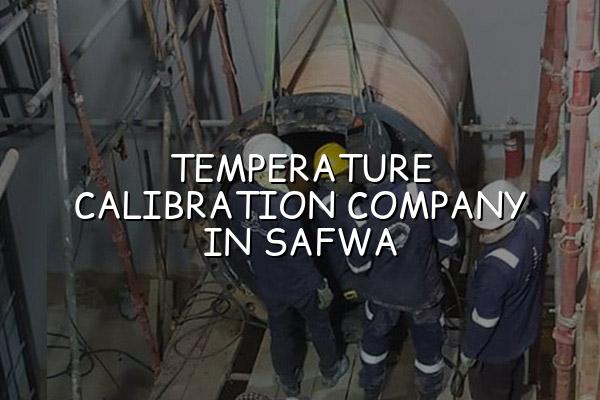
Temperature calibration company in Safwa services matter when your process depends on a reading that has to be right, not close enough. We help you keep probes, baths, ovens, freezers and chamber sensors traceable so your records stand up in audits and routine QA checks.
Our team supports industrial customers in Safwa and the wider Eastern Province with onsite work, mobile lab visits and controlled in-lab calibration in Saudi Arabia. That mix helps maintenance teams, QA managers and production leads keep temperature control tight across food, cold chain, petrochemical and manufacturing sites.
What a Temperature Calibration Company in Safwa Should Handle
A good temperature calibration company in Safwa does more than compare one number with another. We check the instrument under practical conditions, confirm traceability, document the result clearly and help you decide whether the device is fit for process use, adjustment or repair.
Which instruments usually need calibration?
In our work, the common ones are RTDs, thermocouples, handheld meters, data loggers, dry block calibrators, liquid baths, ovens, furnaces, refrigerators, freezers and thermal chambers. Cold-chain users also ask us to verify warehouse points, reefer systems and holding equipment where temperature drift can spoil a batch or trigger a nonconformance.
Why traceability matters in Saudi operations
Saudi industrial sites often need records that are clean enough for internal QA, customer checks and third-party review. That is where ISO/IEC 17025:2017 discipline helps. It gives you a clearer chain from the reference standard to the instrument in use, and that matters when you’re managing production in Safwa, Dammam or the surrounding GCC supply chain.
- Identify the device and its use — we start by checking where the instrument is used, the range it covers and how sensitive the process is to drift.
- Select the right reference method — the comparison has to suit the device type, range and tolerance, not just the fastest available setup.
- Record as-found data — we measure the instrument before adjustment so you can see how it was behaving in service.
- Adjust, verify and document — if the device needs correction, we verify again and issue the result with clear readings and status.
- Use a lab that can handle both onsite visits and controlled in-house calibration.
- Keep certificates tied to serial numbers, ranges and measurement points.
- Ask for as-found and as-left data when your process risk is high.
- Match the calibration interval to the way the instrument is actually used.
- Check whether pickup and delivery is available for units that need special handling.
Typical Temperature Devices and How They Are Checked
| Equipment | Typical use | Calibration focus |
|---|---|---|
| RTDs and thermocouples | Process lines, tanks and chambers | Sensor accuracy, stability and point-to-point error |
| Dry block calibrators | Field checks and maintenance | Block uniformity, stability and display deviation |
| Ovens and furnaces | Heat treatment and manufacturing | Temperature distribution and controller response |
| Refrigerators and freezers | Cold rooms and storage | Mapping, probe placement and recovery after door opening |
| Thermal chambers | Testing and qualification | Setpoint verification, uniformity and cycling behavior |
Temperature Calibration for QA, Maintenance and Audit Readiness
Temperature data drives product quality, shelf life and equipment safety. If a probe reads high, a freezer may look safe while product warms inside. If it reads low, you may reject good stock or waste energy chasing a false alarm. We help reduce that risk with measured results that are easy to file and easier to explain during internal review.
What buyers usually ask for
Most teams want a clean certificate, visible traceability, the instrument condition before calibration and a practical note on whether the unit needs adjustment. If the device is outside acceptable limits, they also want straight advice. That’s how we work, because plant teams don’t need fluff. They need a reading they can trust on the next shift.
Built for industrial temperature control
We support cold chain, food and beverage, pharmaceutical, petrochemical, power and manufacturing teams across India and Saudi Arabia. Where needed, we can handle calibration through our temperature-controlled lab or bring the work to site with our mobile calibration capability.
Onsite Calibration or In-Lab Checks?
Onsite service suits equipment that is fixed in place, tied to production, or awkward to disconnect. That includes chambers, cold rooms, process sensors and systems that would lose time if you removed them from service. Our mobile calibration lab helps keep the work practical without forcing every item into transport.
In-lab work is a better fit for instruments that need tighter environmental control or special handling. We also support pick-up and delivery for items that should not travel loose in a vehicle or sit in heat for long periods. For Safwa customers, that flexibility saves effort and keeps the calibration path simple.
How Mayon Industrial Services Can Help
We calibrate temperature instruments for industrial teams that need traceability, repeatable readings and practical support. If your site in Safwa needs onsite verification, a mobile-lab visit, temperature mapping, or help with related maintenance and inspection work, our team can handle the job in a way that fits your operation.
Call +91 99447 80844 (India) or +966 59 633 8012 (Saudi Arabia), email services@mayonservices.com, or message us on WhatsApp.
Frequently Asked Questions
We can support onsite temperature calibration for fixed sensors, cold rooms, chambers and process equipment in Safwa and nearby industrial areas. The main question is access: if the device is installed and running in the process, onsite is often the cleaner option. If it needs special control or safe transport, in-lab work may be the better route.
Yes, that’s a normal part of our temperature work. We handle common sensors used in process lines, HVAC systems, chambers and storage equipment, and we match the method to the range and application. If you have a mixed batch of instruments, we can sort them by type and service route.
It matters because it supports traceability, method control and confidence in the result. For Saudi sites, especially in sectors like oil and gas, cold chain and manufacturing, that level of discipline makes the paperwork easier to defend during customer reviews and internal audits. It also helps you keep one consistent standard across multiple instruments and locations.
Yes. Temperature mapping is one of the services we use most often alongside calibration, especially for cold-chain customers. We can support cold rooms, freezers, warehouses, reefer vehicles and thermal chambers, which is useful when you need to understand how the space behaves rather than just check one point.
Keep the instrument serial number, model, range and current use notes ready. If there are any process limits or internal acceptance criteria, send those too. That lets us choose the right setup sooner and avoids back-and-forth once the device arrives.
Ready to Put Your Temperature Records on Solid Ground?
If your Safwa site needs dependable calibration support, talk to Mayon Industrial Services and get the right service path for your instruments.
Contact Mayon
Choosing the right temperature calibration partner is mostly about confidence. You want someone who understands process risk, writes clear reports and can work onsite when shutdown time is tight. That is the standard we keep at Mayon Industrial Services.