
Third Party Inspection Company in Taif
Independent inspections for Taif projects that need traceable records, clear findings and practical site support.
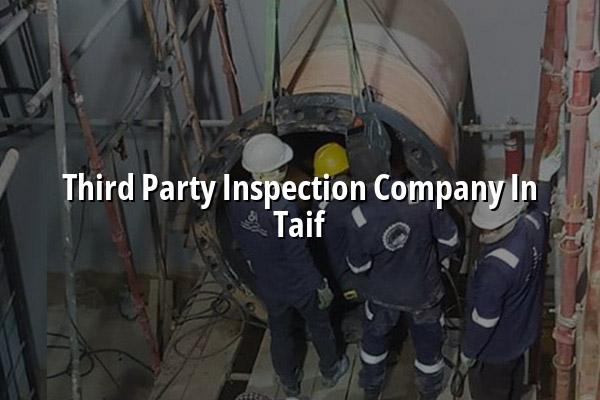
Third party inspection company in Taif services matter when your client, consultant or safety team wants an independent report they can trust. We help you get clear findings on equipment condition, compliance gaps and site readiness, without the back-and-forth that slows a project.
Our team works with Saudi industrial and construction environments where lifting gear, pressure systems, PPE and fabricated assemblies need real checks, not guesswork. For Taif projects, that means practical inspections backed by ISO/IEC 17025-aligned calibration support, site discipline and records you can actually use during handover.
What a Third Party Inspection Company in Taif Should Cover
A good inspection partner does more than tick a checklist. In Taif, the work usually starts with the asset itself: lifting equipment, access gear, electrical items, pressure accessories, fabricated supports or site PPE that has to be verified before use. We look for the condition of the item, the test method needed, the standard being applied and the type of report your client expects.
Lifting gear, site equipment and NDT needs
Many calls we receive from Saudi contractors are tied to lifting-equipment inspection and non-destructive testing before mobilization or shutdown work. That can include hooks, shackles, slings, cranes, below-the-hook gear, weld checks and visual assessment of wear, deformation or damage. If the asset needs more than a visual pass, we can pair inspection with NDT to help you make a defensible decision.
Why calibration support changes the result
Inspection reports are only as good as the measuring tools behind them. When calipers, torque tools, pressure gauges, temperature instruments or electrical test devices are out of date, even a clean-looking report can create trouble later. That is why our inspection work sits naturally alongside ISO/IEC 17025:2017 calibration services and EURAMET CG-15 electrical calibration support for Saudi and GCC projects.
- Review the asset list — we confirm what has to be inspected, where it is located and which equipment categories need the most attention.
- Pick the right method — visual inspection, NDT, dimensional checks, functional testing or a combination, depending on the item and its duty.
- Check traceability — instruments used during the work need valid calibration, so the findings stand up during client review.
- Issue the findings — you receive a report that shows pass, hold or corrective action points in a format your team can share.
- Use independent inspection before lifting, commissioning or handover.
- Match the method to the item instead of using one generic check form.
- Keep calibration records ready for gauges, meters and test tools.
- Ask for clear remarks on defects, limits and next action, not vague comments.
- Plan re-inspection after repair, modification or major movement on site.
Inspection Focus Areas for Taif Projects
| Asset Type | What We Check | Typical Output |
|---|---|---|
| Lifting equipment | Condition, markings, deformation, wear and basic safety readiness | Pass / hold / corrective action notes |
| NDT items | Surface condition, weld integrity indicators and defect evidence | Findings with observations and limits |
| PPE | Visual condition, suitability and obvious damage or expiry concerns | Accept, reject or replace advice |
| Pressure-related gear | Leak signs, fit-up, visible damage and test readiness | Inspection remarks for site use |
Where BS EN Standards Fit Into Inspection Work
For lifting-equipment and related inspection work, BS EN standards give your team a recognised reference point. That matters when more than one contractor is working on the same site, because everyone needs to read the result the same way. If a report says an item is fit for service, the basis for that judgment should be clear enough for the client, safety team and maintenance group.
Why Taif clients ask for a third party
We see this often on construction sites, industrial facilities and maintenance shutdowns around Saudi Arabia. A third party inspector reduces internal bias, brings a fresh pair of eyes to worn assets and helps settle disputes before they grow. In practice, that can save a lot of meeting time when a consultant wants proof before the next stage of work.
Built for Site Decisions
We focus on what your team needs next: keep it, repair it, quarantine it, or retest it. That keeps the inspection useful on the ground, not just neat on paper.
How the Inspection Process Usually Runs
Most inspections begin with a site conversation, because the right scope saves time later. We ask what asset is involved, where it is used, what the risk is and which documents the end client wants to see. If the job needs calibration support, we align that before the visit so the inspection team is not relying on unverified equipment.
From first call to report
Once the scope is clear, we plan the inspection method and mobilize the right team. Some tasks are quick visual checks; others need measurement, testing or coordination with maintenance crews. After the visit, findings are recorded in plain language so your supervisor, HSE lead or procurement team can act on them without decoding technical clutter.
- Start with the asset and location — we identify what needs to be inspected and where it sits in the workflow.
- Confirm access and safety conditions — the team checks site readiness, permits and any operational limits before work begins.
- Perform the inspection — visual checks, NDT or other agreed methods are completed on the item itself.
- Document the result — the report captures observations, defects and the action needed next.
- Ask for the inspection basis before the visit starts.
- Share serial numbers, asset tags and photos where possible.
- Keep the site ready so the team can inspect without repeated stoppages.
- Combine inspection with calibration when measuring tools are part of the task.
How Mayon Industrial Services Can Help
We support Taif projects with inspection services that sit well beside our calibration, mechanical services, NDT, PAT testing and repair work. If you need a third party inspection company in Taif that can handle equipment checks, document the findings properly and back the job with real industrial experience, we’re ready to help.
Call +91 99447 80844 (India) or +966 59 633 8012 (Saudi Arabia), email services@mayonservices.com, or message us on WhatsApp.
Frequently Asked Questions
We usually check the item’s condition, markings, defects, safety readiness and whether the right method was used for the job. For some assets that means visual inspection only; for others it includes NDT, dimensional checks or functional testing. The aim is simple: give you a report that supports a real site decision.
Yes, we support lifting-equipment inspection for Saudi projects, including site checks where a consultant or HSE team needs an independent result. We look at wear, damage, identification and other visible concerns, then record the findings in a way your team can use during mobilization or handover.
Yes, and in many cases it should be. If gauges, meters or test tools are part of the inspection, their calibration status affects the quality of the result. Our ISO/IEC 17025:2017 calibration services help close that gap so the inspection chain stays traceable.
We only reference the standards listed for this site: ISO/IEC 17025:2017 for calibration competence, ISO 9001:2015 for quality management, BS EN standards for lifting and inspection, and EURAMET CG-15 for electrical calibration. The exact standard depends on the asset and the scope agreed before work starts.
We do. Our Saudi work is suited to construction, industrial maintenance, power and oil-and-gas environments where inspection records need to stand up to client review. Taif projects often involve mixed site conditions, so we keep the scope practical and site-ready.
Send us the asset list, location, expected standard and any drawings or photos you have. From there, we can work out the inspection scope and arrange the right support. If your team also needs calibration, mechanical or NDT input, we can line that up too.
Need an inspection partner you can defend in a client meeting?
Send the scope, tell us what’s on site and we’ll help you plan the right inspection path for Taif.
Contact Mayon