
Torque and Force Calibration Company in Hafar Al Batin
Traceable torque and force calibration for maintenance, QA and commissioning teams working in Hafar Al Batin and the wider Eastern Province.
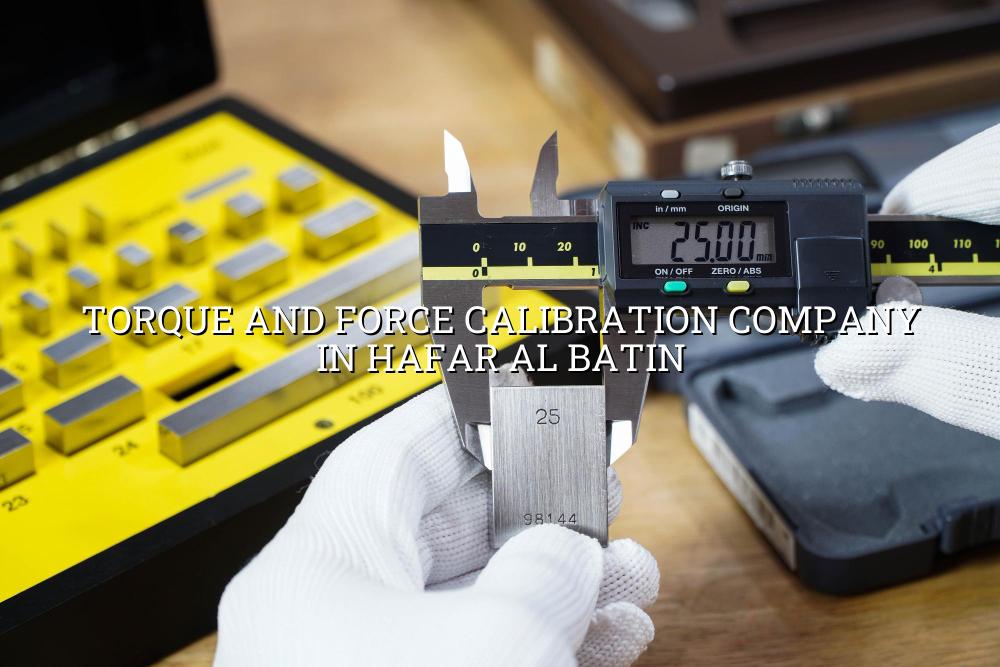
Torque and force calibration company in Hafar Al Batin is the kind of search that usually comes from a site team with real pressure on it. A flange won’t close cleanly, a tensioning job needs traceable values, or a QA manager wants proof that the wrench, tester or load cell is still within tolerance. We help you put numbers to the tool before the job starts.
Mayon Industrial Services supports industrial teams from our ISO/IEC 17025:2017 compliant calibration setup, with onsite and in-lab service, pickup and delivery when special handling is needed, and mobile lab support for field work. In Saudi Arabia, that matters for oil & gas, petrochemical, power and maintenance crews that can’t afford guesswork.
Why torque and force calibration matters in Hafar Al Batin
Torque and force tools are small parts of a big job, but they control some of the most failure-sensitive points in a plant. A torque wrench used on a pressure line, a force gauge on a press, or a tension meter on a bolting package all affect safety, leak integrity and repeatability. When those tools drift, the issue doesn’t stay in the workshop; it shows up later as rework, downtime or a failed inspection.
What gets calibrated on this type of job?
We calibrate torque wrenches, torque multipliers, torque testers, force gauges, push-pull gauges and related measuring instruments used by maintenance, QA and commissioning teams. For many clients in Saudi Arabia and the Eastern Province, the real concern is traceability. They need records that can stand up to internal audits and third-party checks, especially where controlled bolting and load verification are part of the work pack.
How the job usually starts on site
Most requests begin with a tool list and a use case. A supervisor may send us a batch of hand torque wrenches from a shutdown team, or a procurement group may ask for calibration before a new project handover. We review the instrument type, range and condition, then decide whether onsite work is suitable or whether the item should come to the lab for controlled conditions.
- Confirm the instrument and range — we check the tool type, serial number, capacity and the expected operating range before any test begins.
- Inspect visible condition — we look for wear, damage, missing parts and signs that the tool has been overloaded or dropped.
- Run the calibration points — readings are checked across the working span so the result shows how the tool behaves, not just one spot.
- Review results and label status — the item is marked pass or fail, with the data and traceability details recorded for your files.
- Keep torque tools clean and stored in their cases after use.
- Send force gauges for check after overload events, even if they still read normally.
- Use the same calibration interval logic for shutdown tools and routine maintenance tools.
- Match the calibration range to the real working range, not just the maximum capacity.
Choosing the right torque or force calibration route
| Instrument type | Typical use | Best calibration route |
|---|---|---|
| Torque wrench | Bolt tightening, flange work, maintenance tasks | Bench or onsite test with traceable reference |
| Torque tester | Checking wrench performance and repeatability | Controlled in-lab calibration with logged points |
| Force gauge | Push-pull checks, fixture testing, production verification | In-lab or mobile-lab verification depending on setup |
| Tension or load device | Bolting and clamping verification | Route chosen after range, condition and site access review |
What traceable torque and force work should look like
A proper calibration record should tell you what instrument was tested, what points were checked, what the results were and what standard or reference system supported the work. That’s the practical side of ISO/IEC 17025:2017. It gives your team confidence that the reading isn’t just a number on paper, but a result tied back to controlled measurement practice.
Why this matters for Saudi industrial sites
In Hafar Al Batin and across the Eastern Province, we see the same pattern again and again: shutdowns get busy, subcontractors rotate, and tools move between crews. When that happens, calibration history can get muddy fast. A simple, current record helps keep handover clean, especially where client QA teams, site HSE teams and maintenance supervisors all need to see the same file.
Good records save arguments later
We’ve found that teams spend far less time debating tool condition when the calibration sheet is clear, current and easy to trace. That matters on jobs where the bolt count is high, the line is critical, or the equipment sits in a safety-sensitive area.
Where our torque and force calibration company helps most
Oil & gas maintenance
Bolting packages, flange work, shutdown tools and load checks need clear traceability. A torque wrench that is out by a little can create a much bigger problem at pressure test stage.
Manufacturing and engineering
Force gauges and torque testers support fixture checks, assembly control and routine quality verification. We help teams keep those instruments in a state they can trust during production.
Power and utility work
Commissioning and maintenance teams use calibrated tools for repeatable tightening and load checks. That supports safer handovers and fewer surprises during planned outages.
How Mayon Industrial Services Can Help
We support torque and force calibration with the same practical approach we use across calibration, mechanical service and inspection work. If your job needs onsite verification in Hafar Al Batin, lab-based testing, pickup for sensitive instruments or a broader maintenance package, our team can line up the right route and keep the records straight.
Call +91 99447 80844 (India) or +966 59 633 8012 (Saudi Arabia), email services@mayonservices.com, or message us on WhatsApp.
Frequently Asked Questions
Yes, we do. We handle torque wrench calibration for maintenance and project teams that need traceable results for site use. If the tools are part of a shutdown package or routine plant work, we can review the range and decide whether onsite or lab service fits better.
We commonly see force gauges, push-pull gauges and related load-check instruments. The exact method depends on the instrument design, the working range and how the tool is used on site. If you send us the list, we can help you sort it out before the job starts.
Yes, onsite work is part of what we do. For many project teams, that’s the cleaner option because the tools stay with the crew and the work doesn’t stall. When conditions call for controlled handling, we can also arrange pickup and delivery.
A torque wrench can still click, move and feel fine while its actual output has drifted. The same goes for force devices that have been overloaded or knocked around. Calibration checks the numbers, and that’s what your audit trail depends on.
We do. Our calibration work is built around ISO/IEC 17025:2017 practices, so the documentation is set up for traceability and review. That makes it easier for QA teams, auditors and site supervisors to follow the result without chasing missing details.
Ready to keep your torque and force tools in check?
Send us your instrument list and site location, and we’ll help you choose the right calibration route for your work in Hafar Al Batin or anywhere in Saudi Arabia.
Contact Mayon