
Torque and Force Calibration Company in Riyadh
Traceable torque and force calibration for Riyadh plants, shutdown teams and QA departments that need dependable results.
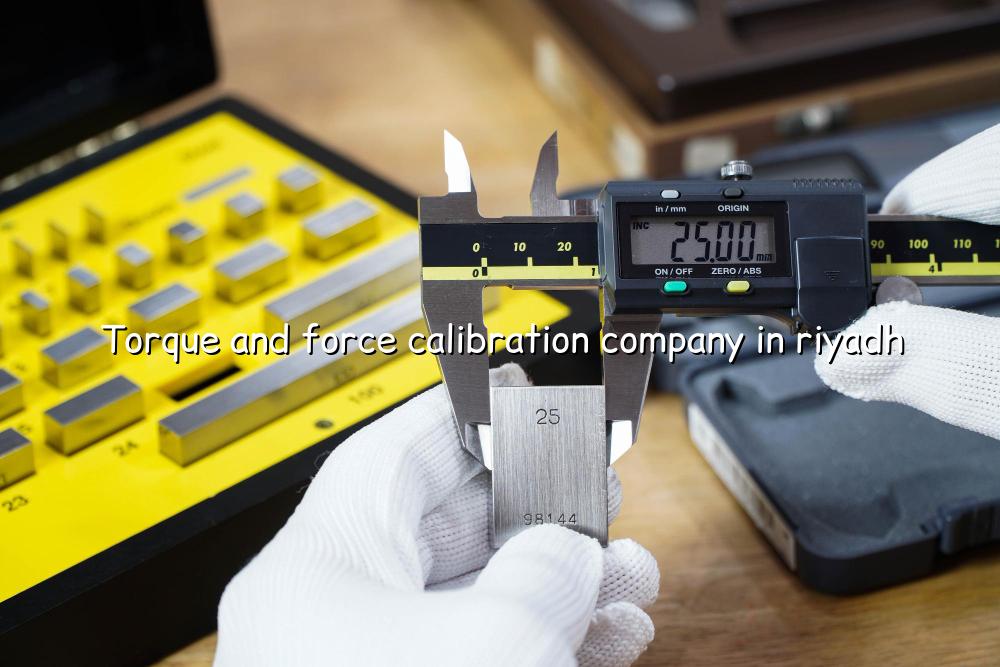
Torque and force calibration company in Riyadh searches usually come from teams that need a supplier they can trust before a shutdown, audit or tool issue turns into downtime. We help you verify the accuracy of torque tools, force measurement systems and related equipment so your maintenance and QA work stays defensible.
At Mayon Industrial Services, we support Riyadh and the wider Saudi industrial market with ISO/IEC 17025:2017 traceable calibration, onsite visits and controlled laboratory work. If your site sits in oil and gas, petrochemical, power, construction or manufacturing, you already know the value of numbers that hold up under scrutiny.
Torque and force calibration company in Riyadh for plant-critical work
In practice, torque and force calibration is about more than a certificate. A torque wrench used on flange bolts, a hydraulic tensioning setup, a force gauge in a production cell or a testing rig in a maintenance bay all need values that are traceable and repeatable, especially where safety and uptime are tied to the result. Riyadh facilities often ask us for a mix of onsite support and lab-based verification because some instruments are too sensitive, too heavy or too critical to send around casually.
Where torque calibration matters most
Torque tools show up everywhere in Saudi industrial work. We see them on pump skids, compressor packages, structural assemblies, pipeline work and shutdown jobs where bolt load consistency matters. A worn wrench, a slipped extension or a tool that has not been checked against traceable standards can give you a result that looks fine on paper and fails on the job.
Why force calibration needs the same discipline
Force equipment is just as demanding. Load cells, force gauges, proving systems and test frames need verification so the numbers stay meaningful across repeated use. For Riyadh teams that handle acceptance testing, QA records or maintenance sign-off, the difference between approximate and traceable is the difference between an internal note and a result you can stand behind.
- Identify the instrument type — separate torque tools, force gauges, load cells and any related test accessories before the job starts.
- Check the use condition — look for overload marks, damaged drives, bent adapters, worn sockets or obvious mechanical play.
- Select the right method — decide whether the tool can be calibrated onsite in Riyadh or whether controlled lab conditions are the better choice.
- Run traceable verification — compare the reading against suitable references and record the result with the actual range used.
- Review the outcome — confirm pass/fail status, tolerance and any adjustment need before the tool goes back to service.
- Use traceable reference equipment, not guesswork.
- Keep torque tools clean and free from side loading during checks.
- Match the calibration range to the actual working range.
- Record the serial number, range and result clearly for audits.
- Recheck tools after overload, impact or repair.
Torque and force calibration methods by instrument type
| Instrument type | Typical use | Common verification point |
|---|---|---|
| Torque wrench | Bolt tightening, maintenance, assembly | Reading at multiple set points across the working range |
| Torque screwdriver | Light assembly, panel work, instrument repair | Low-range repeatability and smooth release performance |
| Force gauge | Pull, push and test applications | Reading stability under applied force and release |
| Load cell or force system | Testing rigs, weighing, process checks | Linear response, zero return and traceability across range |
What a Riyadh calibration partner should actually provide
A good calibration partner does not just hand over numbers. You want a team that understands your site restrictions, your permit rules and the way Saudi plants actually work, where equipment may need pickup, controlled handling or mobile-lab service to avoid unnecessary delays. We also see a lot of cases where the instrument is fine, but the process around it is messy. That is where clear identification, range selection and proper reporting save time.
Why onsite and in-lab both matter
Onsite calibration works well when the instrument is installed, large, fixed or part of a live operation. In-lab work makes sense when environmental control, clean handling or special fixtures are needed. Our temperature-controlled laboratory and mobile calibration lab let us choose the right route rather than forcing every item into the same box.
Built for real maintenance windows
Riyadh shutdowns, turnaround work and routine QA checks rarely wait for ideal timing. We plan around that reality, then keep the scope focused on the tools and systems that matter most to your line, workshop or test bay.
Torque calibration problems that show up in Riyadh plants
Most of the problems we see are not dramatic. A torque wrench may drift after repeated use, a gauge may be used outside its intended range, or a force system may be installed with loose fittings that distort the reading. Sometimes the issue is even simpler: no one has a record of the last check, so maintenance teams are left guessing whether the tool is still fit for service.
For force instruments, the usual trouble spots are repeatability, zero error and mechanical alignment. If the setup itself is off, the result won't tell you much about the instrument. That is why we pay attention to the setup before the measurement starts. It's a small step, but it changes the quality of the output fast.
How Mayon Industrial Services Can Help
We support Riyadh clients with torque and force calibration alongside related calibration, inspection and mechanical work, so you can keep one practical supplier for the tasks that usually arrive together. If you also need onsite service, mobile-lab support, pickup and delivery for sensitive instruments, or a wider maintenance scope, our team can coordinate the job in a way that fits your site.
Call +91 99447 80844 (India) or +966 59 633 8012 (Saudi Arabia), email services@mayonservices.com, or message us on WhatsApp.
Frequently Asked Questions
For industrial work, you want a company that can handle both traceable calibration and real site conditions. At Mayon, we support torque and force tools used in maintenance, testing and QA, and we can work onsite or in controlled lab conditions depending on the instrument.
Yes, many torque wrenches can be checked onsite if the setup, range and access conditions are suitable. Onsite work is useful when the tools are already in service or when removing them would interrupt maintenance work. If the tool needs special handling, we can move it to the lab instead.
Force calibration usually covers force gauges, load cells, proving systems and related test equipment. The exact method depends on the range, the fixture and how the instrument is used in production or testing. We check the reading against traceable references and document the result clearly.
Yes, we work with maintenance teams that need calibration support around shutdowns, turnaround jobs and planned plant work. Those windows are often tight, so we focus on the tools and systems that need attention first and keep the scope practical.
ISO/IEC 17025:2017 matters because it supports traceability, method control and confidence in the result. For Riyadh clients working in regulated or audit-heavy environments, that traceability helps the numbers stand up to internal review and customer checks.
Need torque and force calibration you can rely on?
Send us your instrument list and site location, and we'll help you choose the right onsite or lab route for Riyadh and nearby Saudi operations.
Contact Mayon