
Torque and Force Calibration Company in Safaniya
Traceable torque and force calibration for rigs, plants and maintenance teams working in Safaniya and the wider Eastern Province.
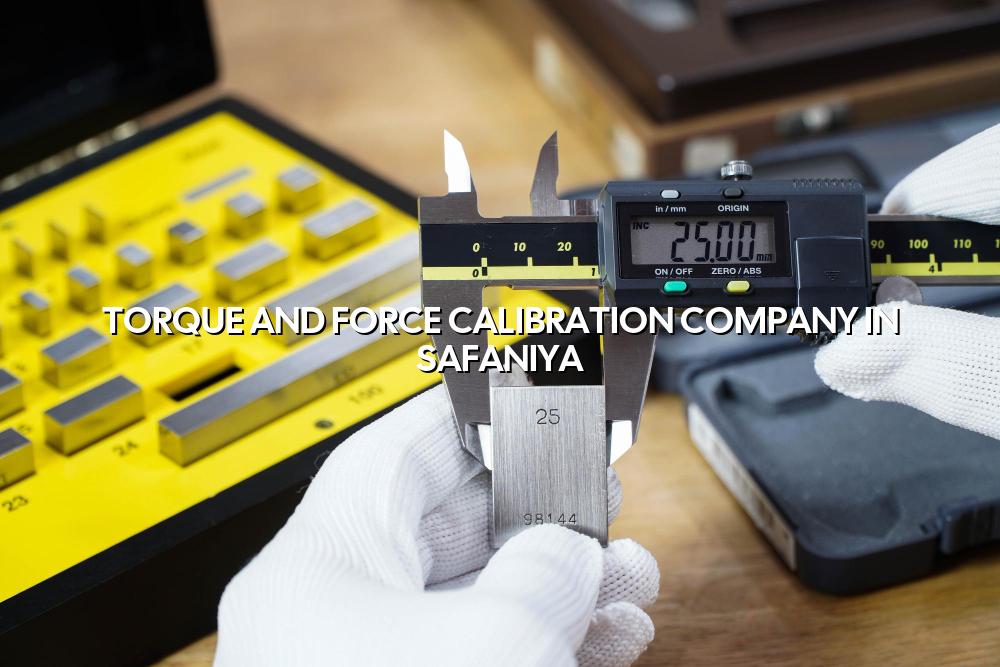
Torque and force calibration company in Safaniya support usually starts with one simple need: you want tools, wrenches, load cells and test rigs to tell the truth. That means traceable results, clear records, and a team that knows the difference between a workshop check and a calibrated measurement for production, maintenance or QA use.
We work with oil and gas teams, shutdown crews, fabrication shops and maintenance managers who need dependable readings on bolting, tensioning and applied force. In Safaniya and the Eastern Province, that often means field work, quick mobilisation and paperwork that stands up to ISO/IEC 17025 expectations.
What torque and force calibration covers in Safaniya
For most site teams, torque and force calibration means more than checking one wrench against another. It includes torque wrenches, torque multipliers, digital torque tools, load cells, force gauges, tensioning systems and related measuring equipment used on skids, structures, flanges and lifting or testing applications. In our work around Safaniya, the common trigger is a maintenance shutdown or a commissioning job where the numbers have to be defensible, not guessed.
Why the measurement chain matters
A torque tool is only as trustworthy as the reference behind it. We look for a clean measurement chain, suitable test range and the right conditions for the instrument type, because a tool that behaves well at one load point may drift at another. That is especially true on site, where heat, dust and repeated use can change the result faster than teams expect.
Where force checks show up on real jobs
Force calibration is common on load monitoring, material testing, press equipment and tensioning work. A load cell used on a rig or in a lifting setup needs the same discipline as a torque wrench used on a flange spreader job. When the equipment supports safety-critical tasks, we treat the calibration record as part of the job, not as paperwork after the fact.
- Identify the device and range — confirm the tool, the expected load band and the unit of measure before testing starts.
- Check condition and history — inspect wear, damage, seals, labels and the previous calibration status.
- Test against suitable references — use the correct torque or force standard setup for the instrument type and range.
- Record results and findings — document readings, deviations and any out-of-tolerance condition so the user can act quickly.
- Use calibrated references matched to the tool’s operating range.
- Recheck hand tools after major maintenance or drop damage.
- Keep force sensors protected from shock loading and moisture.
- Ask for onsite support when removal would stop production or delay a shutdown.
Torque and force equipment: common checks and site use
| Equipment type | Typical use | Why calibration matters |
|---|---|---|
| Torque wrench | Flange bolting, maintenance work, controlled tightening | Prevents under-tightening or overstressing fasteners |
| Digital torque tool | Repeatable tightening on production and QA tasks | Confirms displayed value against traceable reference |
| Load cell | Test rigs, lifting checks, tension monitoring | Supports safe, reliable force measurement under load |
| Force gauge | Bench testing, compression or pull checks | Helps verify readings used in inspection and testing |
What makes a good calibration partner for Safaniya sites?
A good calibration partner should be able to work around your schedule, your access limits and your documentation needs. For Safaniya projects, that often means coordinating with HSE rules, offshore or onshore site entry, and the realities of maintenance windows. We also see a lot of mixed fleets, where one team has older mechanical tools and another uses newer digital equipment. Both need proper handling.
Documents, labels and practical handover
Teams usually want more than a pass or fail sticker. They need a clear report, instrument identification, and a handover that tells them whether the tool can stay in service, needs adjustment, or should be removed from use. That’s where traceable calibration records make life easier for supervisors and procurement teams alike.
Built for field conditions
Our mobile calibration lab helps when you cannot spare the time to send tools away. For instruments that need special handling, we also offer pick-up and delivery, so the measurement work still happens under controlled conditions.
How the calibration job usually runs
Most jobs begin with an equipment review and a short discussion about where the tool is used. That matters because a wrench used on controlled bolting for plant maintenance needs different attention from a force gauge used on a test bench. From there, the instrument is checked, tested and documented in a way that matches the application and the requested standard of traceability.
Onsite work vs in-house testing
Onsite calibration is often the best choice when the equipment is fixed in place or when removing it would stop work. In-house testing makes sense when the instrument needs more controlled conditions or a deeper inspection. We use both, and in some cases a combined approach is the safest way to protect the schedule and the result.
Safaniya and nearby industrial use cases
We regularly support oil and gas maintenance, petrochemical plant work, fabrication yards and power-related installations across the region. Those environments demand steady documentation, practical coordination and enough technical depth to answer the engineer’s questions, not just tick a box.
- Short-list the exact tool model before booking.
- Confirm whether the instrument can be tested onsite.
- Keep serial numbers and asset tags ready for the report.
- Ask for traceable documentation for audits and internal QA checks.
More than torque and force: support around the job
Teams often call us for torque or force calibration and then ask about the wider maintenance picture. That is normal. A shutdown rarely has one isolated task, so we also support mechanical services, inspection work, testing and commissioning, and training for engineers who want their internal process to hold up better next time.
If you are managing a mixed asset base in Safaniya, it helps to have one partner who can keep the calibration side, the mechanical side and the inspection side moving together. Less chasing. Fewer handoffs.
For QA, maintenance and procurement
Our reports are meant for people who actually have to make decisions from them. That means clear identification, legible results and practical advice when a tool falls outside acceptable limits.
How Mayon Industrial Services Can Help
If you need a torque and force calibration company in Safaniya, we can support you with onsite calibration, controlled in-house testing, mobile lab visits and practical documentation for audits or site release. Our team also helps with related mechanical services, inspection and commissioning work, so the same project doesn’t need three different vendors.
Call +91 99447 80844 (India) or +966 59 633 8012 (Saudi Arabia), email services@mayonservices.com, or message us on WhatsApp.
Frequently Asked Questions
Honestly, the best partner is the one that can match your site conditions and documentation needs. For industrial work in Safaniya, that usually means traceable calibration, mobile support and people who understand oil and gas shutdowns, not just bench testing. If the job needs special handling, ask whether they can do onsite work or controlled pickup and delivery.
Yes, in many cases they can. Onsite calibration is a good fit when the tools are already in use on site and you want to avoid pulling them out of service for long. We still check whether the tool condition and range suit onsite work before we start.
We commonly see load cells, force gauges, tensioning systems and test rigs. Those instruments show up in maintenance, lifting-related checks, fabrication and QA tasks. If a device is used to prove load or applied force, it should be checked against a proper reference on a regular basis.
Yes. We provide traceable records that show the instrument identification, the readings taken and the result of the check. That makes it easier for maintenance, QA and procurement teams to keep the asset file clean and ready for internal or client review.
If the tool shows damage, inconsistent readings or a result outside the acceptable band, it should be taken out of service until the issue is resolved. A lot of teams wait too long because the tool still “feels fine” in the hand. The calibration result is usually the better guide.
We support Saudi Arabia from Dammam Industrial City 2 through SMC Engineering Services / Sixfaces Maintenance Co, and we also serve India and the wider Middle East. For Safaniya work, that regional setup helps when the job needs practical coordination and fast mobilisation across Eastern Province industrial sites.
Ready to put your torque checks on a traceable footing?
If your Safaniya team needs reliable calibration, clear records and a partner who understands field conditions, we’re ready to help.
Contact Mayon