
Ultrasonic Testing Company in Khafji
UT inspection for welds, piping and critical assets serving Khafji and the Northern Province.
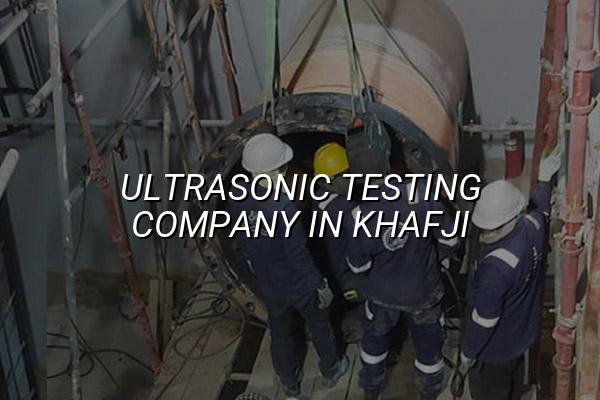
Ultrasonic testing company in Khafji searches usually come from people who need a clear answer fast: can this weld, pipe, plate, or pressure part be trusted before it goes back into service? We help you get that answer with practical ultrasonic inspection that finds hidden discontinuities before they turn into downtime, leaks, or rejected handover documents.
Our team works with owners, shutdown crews, fabricators, and maintenance managers across Saudi industrial sites, including the Khafji area and nearby Eastern Province facilities. We bring ISO/IEC 17025:2017 discipline to inspection work where traceability, repeatability, and a clean report matter just as much as the scan itself.
Why an ultrasonic testing company in Khafji matters on site
Khafji sites often deal with welded pipework, storage systems, structural supports, and plant items that can't be judged by eye alone. Ultrasonic testing gives a real picture of internal soundness, which is why it's used so often during fabrication checks, turnaround work, repair verification, and pre-commissioning hold points. For oil and gas, petrochemical, and heavy maintenance work, that hidden information saves a lot of trouble later.
What we inspect with UT
We use ultrasonic methods for weld examination, thickness checks, and defect detection on components where internal flaws or wall loss matter. A good UT survey can show lack of fusion, slag-related indications, laminations, corrosion thinning, or other conditions that a visual check would miss. On projects with pressure parts or critical structural joints, that detail helps your QA and maintenance teams make a decision with confidence.
Why Khafji teams ask for it before close-out
In our experience, the request usually comes right before a shutdown window closes or just before a package leaves the yard. That's the moment when people want fewer surprises and better paperwork. A clear ultrasonic report helps handover teams, inspectors, and contractors stay aligned, especially when the job has to meet client procedure requirements and industrial QA expectations in Saudi Arabia.
- Review the item and weld map — we confirm material, thickness range, scan location, acceptance basis, and access limits before anyone starts scanning.
- Set up the equipment and reference blocks — the probe, angle, couplant, and calibration checks are matched to the task so the readings make sense.
- Scan the target area carefully — we inspect the weld, heat-affected zone, or wall section in a controlled pattern to catch any relevant signal changes.
- Record indications and compare them properly — the findings are documented against the agreed criteria, so your team can decide on repair, acceptance, or follow-up testing.
- Use UT when internal flaws matter more than surface appearance.
- Ask for traceable reports before final handover or mechanical completion.
- Plan access early on welded joints, especially around congested pipe racks.
- Match the test method to the job; thickness gauging and flaw detection are not the same task.
Common ultrasonic testing checks for Khafji projects
| Test focus | Typical use | What you get |
|---|---|---|
| Weld flaw detection | Fabrication joints, repairs, tie-ins, and critical welds | Internal indication review and acceptance-oriented reporting |
| Thickness measurement | Pipes, tanks, vessels, and corrosion-prone assets | Wall thickness readings for condition assessment |
| Incoming component checks | Forgings, plates, and parts before installation | Early warning on internal discontinuities |
| In-service verification | Shutdowns, maintenance windows, and fitness checks | Data that supports repair or return-to-service decisions |
What good UT reporting should show
A proper report should tell the story of the inspection without forcing your engineer to guess what happened on site. That means clear identification of the item, the location inspected, the method used, the observable indication, and the result in a format your QA file can hold up during client review. For industrial customers, that paperwork matters because it supports the technical decision, not just the scan.
Where this helps most
We see the strongest value on weld repair verification, pipeline maintenance, pressure equipment checks, and any scope where internal soundness is a release criterion. If your team works with shutdown schedules in Khafji, Jubail, Dammam, or other Saudi industrial locations, the real benefit is simple: fewer arguments, cleaner records, and a better handover trail.
Built for industrial decision-making
We don't treat UT like a box-ticking exercise. We treat it as a decision tool for maintenance teams, QA leads, and fabricators who need dependable information before a part goes back into service or moves to the next stage.
How we handle ultrasonic testing in Khafji and nearby sites
We start by understanding what the client needs the scan to answer. That could be defect detection on a weld, a thickness baseline for corrosion monitoring, or a verification check after repair work. The setup changes with the job, and that matters. A pipe spool in a congested rack is not the same as a plate check in a fabrication yard, and the scan plan shouldn't pretend otherwise.
Our technicians work with the site constraints in mind. Access, surface condition, temperature, and the condition of the joint all shape the test approach. If the job calls for related support, we can coordinate with our mechanical services, inspection services, or condition monitoring team so you don't have three different contractors stepping on each other.
Why that saves time later
Most rework problems start with a vague scope. Someone asks for “UT” and expects the rest to sort itself out. It doesn't. Clear scope definition helps the test team bring the right probe, set the right scan angle, and produce data that can actually be used by the plant.
- Works for welds, piping, structural parts, and pressure equipment.
- Supports shutdowns, fabrication yards, and maintenance turnarounds.
- Fits Saudi industrial environments where documentation has to stay clean.
- Can be paired with inspection support for wider QA scopes.
How Mayon Industrial Services Can Help
We support Khafji clients with ultrasonic testing, weld inspection, calibration-backed measurement work, and broader NDT support when a job needs more than one discipline. Our team also handles mechanical services, inspection, and testing support for industrial clients across Saudi Arabia and the Middle East, so your project can stay with one practical partner. If you need site-ready inspection with proper reporting, talk to us and we'll help you plan the next step.
Call +91 99447 80844 (India) or +966 59 633 8012 (Saudi Arabia), email services@mayonservices.com, or message us on WhatsApp.
Frequently Asked Questions
Clients usually include fabricators, shutdown coordinators, maintenance managers, and QA teams who need internal defect detection or thickness verification. If the job involves weld acceptance, corrosion checks, or pressure-related components, UT is often the right first call. It gives you information you cannot get from visual inspection alone.
It can detect internal discontinuities in welds, laminations in material, and wall loss in assets where thickness matters. In practice, that makes it useful for pipes, vessels, structural welds, and parts that may have hidden damage after service. The exact outcome depends on material, geometry, and access.
Yes, onsite work is common and often the best option for active projects, shutdowns, and installed equipment. The site just needs enough access and surface condition for the scan plan to work properly. When access is tight, we discuss the setup first so the inspection doesn't stall in the middle of the job.
Yes, we provide inspection records that can support QA documentation and handover review. A good report should show what was tested, how it was tested, and what the findings mean for the item under review. That's the part procurement teams and engineers usually care about most.
Oil and gas, petrochemical, power, construction, manufacturing, and cold-chain-related industrial facilities all use UT in different ways. Some need weld inspection during fabrication, while others use thickness measurements for asset integrity work. The common thread is simple: hidden problems are expensive.
Absolutely. Many jobs also need visual inspection, NDT coordination, mechanical checks, or calibration support for instruments used on the project. We often help clients keep that work together so the scope stays organized and the paperwork doesn't get split across too many vendors.
Need ultrasonic testing that fits your Khafji shutdown schedule?
Send us the scope, and we'll help you choose the right inspection approach for your welds, piping, or pressure parts.
Contact MayonWhen you need an ultrasonic testing partner in Khafji, the real value is straightforward: accurate inspection, clear reporting, and a team that understands industrial work pressure. Mayon Industrial Services brings that mindset to Saudi projects every day, and we stay focused on helping you make the next technical decision with less guesswork.