
Ultrasonic Testing Company in Marjan
Find defect detection and reporting support for welds, piping and equipment in Marjan with onsite NDT teams that understand field conditions.
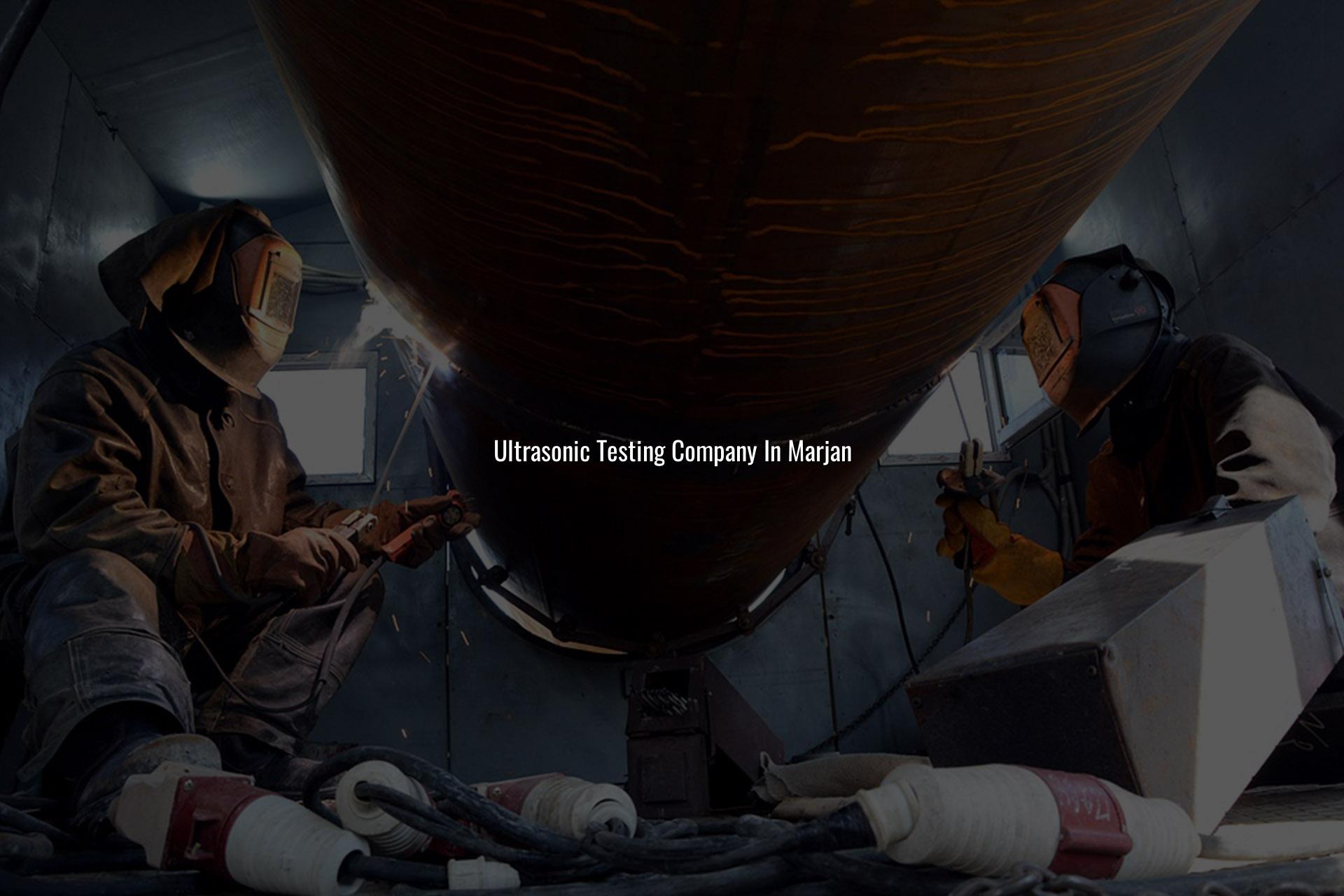
An ultrasonic testing company in Marjan should do one thing well: show you what’s going on inside a weld, pipe or pressure part before a small flaw turns into a shutdown. That’s the practical value you want, especially on production assets where access is tight and the schedule is already full.
We support oil and gas, petrochemical and maintenance teams across Saudi Arabia with onsite inspection work, traceable reporting and field-ready technicians. For Marjan sites, that usually means a mix of weld evaluation, corrosion checks and targeted NDT around the places where crews most often find trouble.
Ultrasonic testing company in Marjan for field-ready inspection
Most requests start with a weld, but they rarely stop there. In Marjan, we’re often asked to verify fabricated joints on piping spools, look for thickness loss on service lines, or confirm that a repaired section is ready to go back into duty. Ultrasonic testing is a good fit because it gives clear results without cutting into the component, and it works well on assets that can’t be stripped down for destructive checks.
Where ultrasonic testing helps most
We use UT where visual inspection alone isn’t enough. That includes butt welds, branch connections, pressure-containing parts and any area where corrosion, cracking or lack of fusion could affect reliability. On Saudi field sites, the real question is usually simple: can this item keep running safely, or do we need repair action now?
What the inspection team looks for
Our technicians check for reflectors, discontinuities and thickness changes that matter to maintenance planning. If the job needs a broader NDT package, we can coordinate that too, so your team gets one inspection plan instead of a stack of separate visits and reports.
- Review the item and service condition — we start with the drawing, weld map or equipment history so the inspection points make sense.
- Prepare the surface and access points — paint, scale and rough spots can hide signals, so the test area needs to be clean enough for reliable scanning.
- Scan with the right probe and angle — our team selects the method based on weld type, thickness and the defect pattern you’re trying to catch.
- Record indications and advise next action — you get findings that maintenance and QA teams can use for repair, retest or return-to-service decisions.
- UT is best for internal flaws that a visual check cannot confirm.
- Surface condition matters; rough coating and heavy scale reduce signal quality.
- Weld geometry affects probe selection, so one setup does not suit every joint.
- Thickness readings help maintenance teams track wear before a line becomes critical.
Common ultrasonic testing checks for Marjan projects
| Inspection item | What UT helps confirm | Typical use in Marjan |
|---|---|---|
| Butt welds | Internal defects, lack of fusion and weld consistency | Pipe spools, tie-ins and repair welds |
| Pressure lines | Wall loss and areas needing closer monitoring | Process piping and service circuits |
| Fabricated components | Soundness of joints before installation | Skids, supports and field assemblies |
| Repaired sections | Whether the repair holds up to the required inspection plan | Return-to-service checks after maintenance work |
Why Marjan sites use ultrasonic testing early
Field teams usually want answers before the job turns into a shutdown story. UT gives useful information on internal condition without removing the component from service right away, so it’s ideal for scheduled turnaround work, maintenance callouts and pre-commissioning checks. For Saudi industrial assets, that matters because access windows are often short and the equipment is rarely sitting idle for long.
Reporting that maintenance teams can use
We don’t just hand over a set of signals. Our inspection notes are written so supervisors, planners and QA staff can read them without chasing a second explanation. That helps when the next step is repair, retest or a decision to monitor the item more closely.
Built for oil, gas and heavy maintenance work
Marjan and nearby Saudi sites often deal with weld repairs, piping inspections and equipment checks in hot, dusty conditions. Our NDT approach is set up for that reality, with onsite deployment and reporting that supports real maintenance decisions rather than generic paperwork.
How we choose the right UT approach
The first step is always the same: understand the asset and the risk. A weld on a process line doesn’t get the same setup as a fabricated skid or a repaired nozzle, and that’s where experience helps. We look at wall thickness, access, surface finish and what the team is trying to prove before deciding on the scan plan.
For some jobs, a basic thickness check is enough. For others, you need more detailed flaw detection on specific weld zones. If the item sits inside a bigger maintenance scope, we can fit the UT work around inspection, repair and commissioning activity so you’re not waiting on one contractor after another.
Saudi clients also care about traceability. That’s normal. When a line is feeding production or a package is going back into operation, the report has to make sense to the people signing off on it. We keep that in mind from the start, and we work to the standards relevant to the job without piling on claims that don’t belong there.
In practice, that means clean setup, clear indication notes and a result format your team can actually use during a review meeting.
How Mayon Industrial Services Can Help
We support Marjan projects with ultrasonic testing, weld inspection, condition monitoring and related NDT work, and we can also line up mechanical support when the job needs repair, commissioning or bolt work. If your site needs a field team that can handle practical inspection work without wasting your crew’s time, we’re ready to help.
Call +91 99447 80844 (India) or +966 59 633 8012 (Saudi Arabia), email services@mayonservices.com, or message us on WhatsApp.
Frequently Asked Questions
We inspect welds, piping, fabricated parts and selected pressure-containing components for internal flaws and thickness loss. In Marjan, that usually means work tied to maintenance, repair and pre-commissioning checks on oil and gas assets. The exact scope depends on what your team needs to prove before the item goes back into service.
Yes, it works well on site when access and surface preparation are handled properly. We commonly use it for welds that need internal flaw detection without cutting the joint apart. It’s a good fit for field crews because the equipment is portable and the setup can be matched to the weld type.
Visual inspection shows what you can see on the surface. UT helps find conditions inside the material, such as hidden discontinuities or wall thinning. In practice, the two methods work best together because visual checks catch obvious surface issues while UT gives a deeper look at the material itself.
Yes, we can support planned maintenance scopes where inspection, repair and sign-off need to happen in sequence. That often includes weld checks, targeted thickness measurements and follow-up recommendations for repair or monitoring. The goal is to help the maintenance team keep the job moving without losing inspection control.
We do. Our reports are written for field engineers, QA staff and maintenance leads who need clear inspection results they can review with the rest of the work pack. For Saudi sites, that usually means direct findings, identified locations and practical next-step advice.
Need weld checks in Marjan?
Send us the scope, and we’ll help you plan the right ultrasonic testing and NDT support for the asset.
Contact MayonWhen you need a reliable ultrasonic testing company in Marjan, the real value is simple: clear findings, practical reporting and a team that understands the pressure of industrial work. That’s how we approach every inspection request, and it’s why clients call Mayon when the asset needs more than a quick look.