
Valve Testing Company in Duba
On-site valve checks, pressure integrity support, and documentation for industrial teams in Dubai and the wider UAE supply chain.
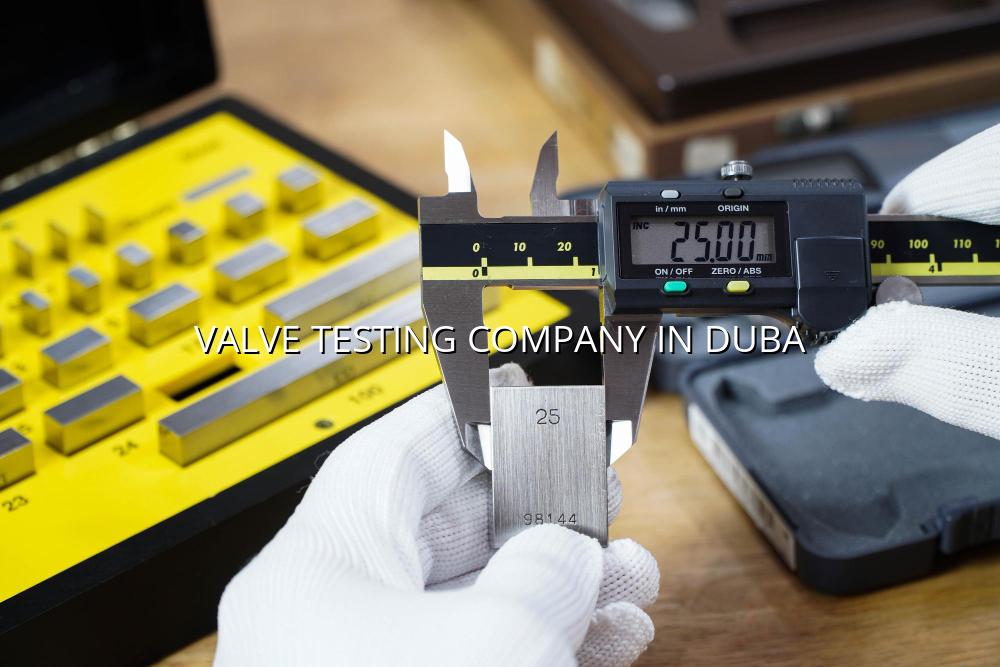
Valve testing company in Duba searches usually come from one place: a plant team needs proof that valves will hold pressure, open when they should, and behave the same way after maintenance. That’s where we help, with practical testing support that gives you usable results, not guesswork.
At Mayon Industrial Services, we work with industrial clients across India, Saudi Arabia and the Middle East, including oil and gas, petrochemical, power, manufacturing and cold-chain operations. If you need valve checks tied to calibration, inspection, commissioning or repair work, we keep the process organised and traceable.
Valve testing company in Duba for industrial plants and maintenance teams
When people ask for valve testing, they’re often dealing with isolation valves, non-return valves, control valves, safety-related assemblies, or pipeline components that need confirmation before startup. In Dubai and the wider GCC, that usually means work needs to fit shutdown windows, permit rules, and the level of documentation your QA or maintenance department expects.
Why teams ask for testing before start-up
We see the same pattern again and again. A valve may have been stored for months, stripped for overhaul, or moved after fabrication. Once it goes back into service, the team wants to know if seats are sealing, actuators are responding correctly, and leakage is within the acceptable limit for the application. That’s a fair ask. One failed valve can hold up a line, a vessel, or an entire commissioning sequence.
How our work fits the site
Our approach is simple. We match the method to the valve type, service fluid, pressure class, and the level of certainty you need. For some jobs, that means inspection and functional checks. For others, it means pressure-related verification alongside supporting services such as calibration, hydrotesting, or commissioning support. We keep the paperwork clear so your records are useful during audits, internal reviews, or handover.
- Identify the valve and service duty — confirm type, size, pressure range, and whether it sits in a critical line.
- Check the condition before testing — review visible wear, contamination, tag details, and any previous repair notes.
- Select the test method — choose functional, pressure, leakage, or verification checks based on the application.
- Record the outcome clearly — capture readings, pass or fail status, and any action needed before return to service.
- Suitable for valves used in oil, gas, power, manufacturing, and utility systems.
- Useful after overhaul, storage, transport, installation, or a shutdown event.
- Supports site teams that need traceable documentation for QA or handover files.
- Can be paired with calibration, inspection, or commissioning work when your scope is broader than one valve.
Common valve testing methods and what they tell you
| Test focus | What we check | Typical site value |
|---|---|---|
| Leakage check | Seat tightness and visible seepage | Helps confirm the valve can hold service conditions |
| Functional test | Open, close, and movement response | Shows whether the valve operates as intended |
| Pressure-related verification | Behaviour under controlled pressure | Useful before start-up or after maintenance |
| Inspection support | Condition, wear, tagging, and fit-up | Finds issues before the valve returns to line |
Critical valve applications in Dubai and GCC sites
Dubai projects often move fast, but the plant still has to run safely. We’re usually called when a valve is sitting in a critical line for process isolation, steam, cooling water, compressed air, fuel systems, or utility services. In petrochemical and power facilities, even a small sealing problem can create wasted downtime, safety risk, or rework during commissioning.
What experienced maintenance teams usually look for
Good teams don’t ask only “does it move?” They want to know whether it moves smoothly, seals properly, and matches the tag and duty on the P&ID or equipment file. That’s why valve testing in the UAE is rarely just one quick step. It’s part of a larger maintenance decision, and it has to stand up to real-world scrutiny.
Built for plant reality
We work around shutdowns, turnaround schedules, fabrication yards, and site constraints. If your job also needs inspection, PAT testing, temperature mapping, orbital welding, mechanical support, or calibration of associated instruments, we can keep the scope under one disciplined workflow instead of spreading it across several vendors.
Practical checks that keep valve testing useful
Most valve failures aren’t dramatic. They start small: a worn seat, sticky movement, damaged stem packing, wrong assembly, or debris left behind after maintenance. Our job is to catch those issues early and tell you plainly what we found. No overcomplicated wording. Just the facts your engineer, planner, or supervisor can use.
We also keep an eye on the surrounding equipment. A valve that fails repeatedly may not be the only problem. The line conditions, upstream contamination, incorrect installation, or a calibration issue in the measuring gear can all play a part. That’s where Mayon’s broader industrial background helps, because we don’t look at the valve in isolation.
What the report should make clear
Your team needs more than a stamp. A good report should show the valve identity, test condition, result, and any limitation that matters before reinstallation. If the job is part of a bigger turnaround, that record becomes part of your handover file and saves time later when someone asks what was checked and why it passed.
- Confirm valve identification against the tag, size, and service duty.
- Note visible damage, contamination, corrosion, or wear before testing starts.
- Use the right setup for the application instead of forcing one method for every valve.
- Keep results easy to file with commissioning, maintenance, or inspection records.
Frequently Asked Questions
We handle on-site industrial work for clients who need valve checks tied to plant maintenance, commissioning, or repair. The main thing is matching the job to the valve type and site condition so the result means something in the real plant, not just on paper.
It usually includes a condition check, a functional check, and a pressure or leakage-related verification depending on the valve and service duty. For critical systems, we also look at how the valve fits into the wider maintenance or commissioning scope.
Yes — that’s one of the most common reasons clients call us. After overhaul, the team wants confirmation that the valve is behaving properly before it goes back into service, and we can support that with practical checks and clear documentation.
We do. Those sites often need careful planning, traceable records, and a team that understands shutdown pressure. Dubai, Saudi Arabia, and the wider Middle East all run on that same expectation, so we keep the work practical and well documented.
Yes, and that’s often the cleanest way to handle a larger maintenance scope. If related instruments, lifting equipment, or commissioning items also need attention, we can coordinate the work so your team deals with one organised process instead of several disconnected visits.
How Mayon Industrial Services Can Help
If you need a valve testing company in Duba, we can support the job alongside calibration, mechanical services, inspection, orbital welding, repair work, and lab setup. Our team understands what plant managers, QA teams, and maintenance engineers need to see before equipment goes back into service. We keep the scope practical, the communication direct, and the records easy to use.
Call +91 99447 80844 (India) or +966 59 633 8012 (Saudi Arabia), email services@mayonservices.com, or message us on WhatsApp.
Ready to check the valve before the next start-up?
If the valve is critical, don’t leave its condition to assumptions. Send us the scope and we’ll help you plan the next step.
Contact Mayon