
Valve Testing Company in Yanbu
Field and shop testing for valves used in Yanbu’s industrial plants, utilities and process systems.
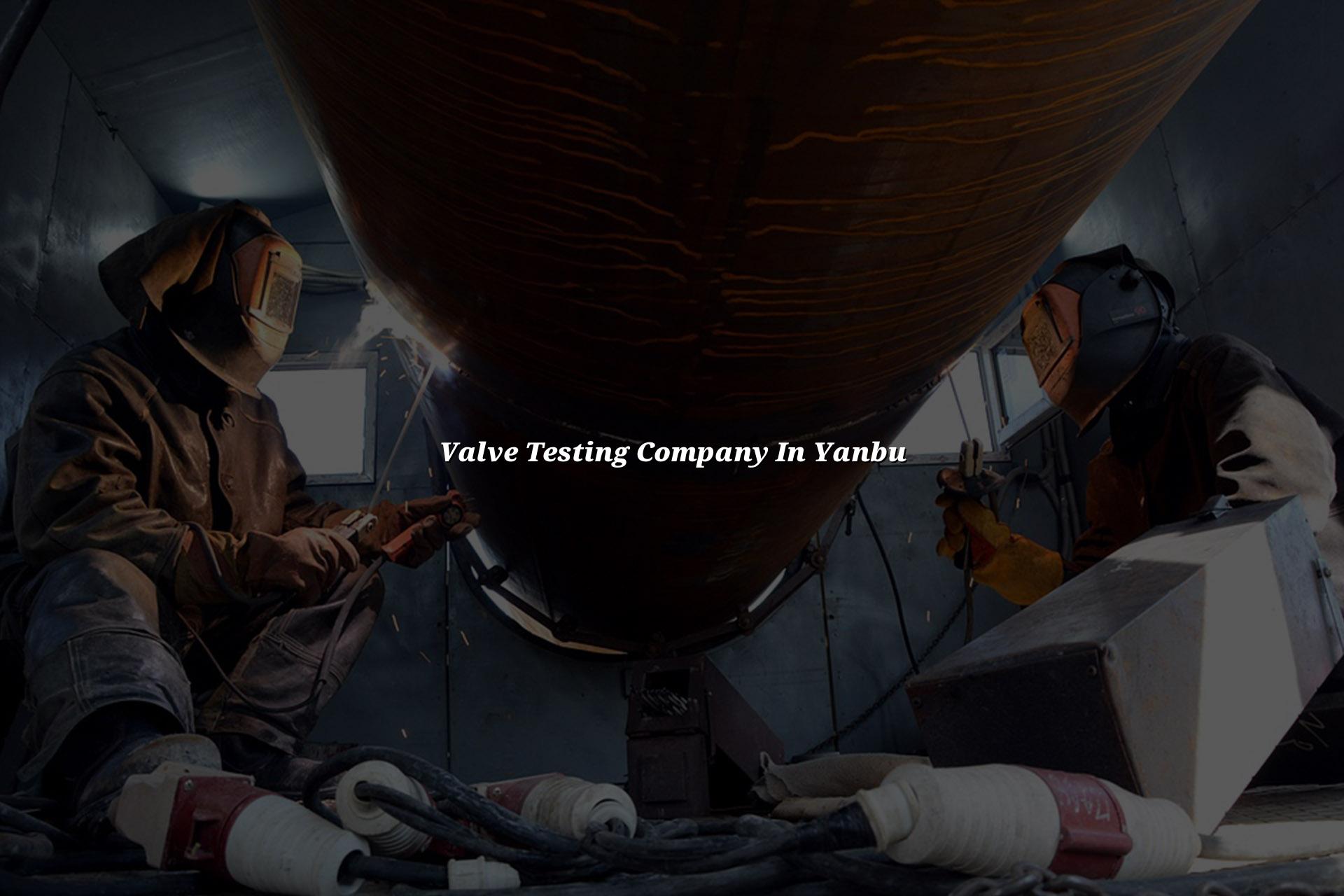
Valve testing company in Yanbu support matters when a shutdown window is tight and a leaking isolation valve can hold up the whole job. We help you check valves before they go back into service, so you can catch seat leakage, actuator issues and handling damage early.
In Yanbu, that usually means oil and gas units, utilities, tank farms, desalination-linked systems and process plants that expect traceable results. Our team works with the same practical mindset we use across Saudi Arabia and the Middle East: test it properly, record it clearly and keep the equipment ready for real service.
What a Valve Testing Company in Yanbu Should Actually Check
A valve testing company in Yanbu should do more than open and close a handwheel. The work needs to confirm that the valve seals as expected, operates smoothly, and is fit for the pressure and process duty it will see after maintenance, fabrication or installation. In real plants, that can mean gate, globe, ball, check, control and safety-related valves, each with its own failure pattern.
Why leakage and function checks matter
We often see valves that look fine from the outside but fail once pressure is applied. A soft seat can nick during storage, a stem can bind after exposure to dust and heat, or a flange face can be scratched during removal. If you're working in Yanbu, that’s not a theory problem. It shows up during commissioning, during turnaround, or right when the line needs to return to service.
Shop testing or onsite testing?
Both are useful. Shop testing fits valves that have been removed, refurbished or built into skids. Onsite testing helps when the valve is already installed and isolation is limited. Our mobile calibration lab and field-ready setup help us work in practical industrial spaces, which is handy for clients who need a testing partner that can move with the job rather than wait for the job to move.
- Confirm the valve type and duty — we check whether the valve is isolation, control, non-return or safety-related, then match the test approach to the service.
- Inspect the body and ends — flange faces, threads, weld ends and nameplate details are checked before pressure is applied.
- Carry out the functional test — we operate the valve through its full travel and look for sticking, abnormal torque or poor seating.
- Perform leakage or pressure checks — the test method is selected to suit the valve and the job requirement, with recorded results for handover.
- Use a test plan that matches the valve’s actual service, not a generic checklist.
- Record serial numbers, size, class and location so the handover file stays clean.
- Check for stem wear, packing issues and damaged sealing surfaces before final acceptance.
- Keep calibration traceability in place for gauges and instruments used during testing.
Common Valve Testing Methods Used in Industrial Jobs
| Test type | What it checks | Typical use case |
|---|---|---|
| Hydrostatic pressure test | Body integrity and pressure holding | Installed valves, refurbished valves and shop acceptance |
| Seat leakage test | Sealing performance across the seat | Isolation valves, ball valves and critical process lines |
| Functional test | Opening, closing and smooth movement | Valves with manual operators or actuators |
| Visual inspection | External damage, corrosion and flange condition | Pre-test checks before pressure is applied |
Why Traceability Matters for Yanbu Facilities
Plants in Yanbu and the wider Saudi industrial belt tend to ask the same question: can we trust the record? That’s fair. Valve testing becomes much more useful when the test media, instruments, serial numbers and acceptance notes are documented in a way that maintenance, QA and operations teams can actually use later.
Built for turnaround work
We’re used to supporting turnaround teams that need equipment checked, tagged and returned to the line in an orderly way. The same discipline carries through our ISO/IEC 17025:2017 calibration work, so the instruments used during the job stay traceable and the paperwork doesn’t turn into a headache after the shutdown ends.
Practical industrial checks
For many Yanbu sites, the real need is straightforward: isolate the valve, test it under controlled conditions, document the result, and hand it back ready for service. That applies to process valves, utility loops and packaged systems alike.
What Usually Goes Wrong Before a Valve Fails in Service
Most valve issues we get asked to review are not dramatic. They start small. A packing gland loosens, a seat gets marked during storage, a manual wheel is forced past its normal range, or debris stays trapped after maintenance. By the time the line is pressurised, the problem shows up as a leak or a valve that refuses to move smoothly.
That’s why we treat valve testing as part of the wider maintenance picture. It sits alongside mechanical checks, hydrotesting, commissioning and calibration, especially where the same job also involves pressure gauges, relief devices or control instrumentation. In Yanbu, where downtime can ripple across a unit fast, that joined-up approach saves a lot of rework.
How Mayon Industrial Services Can Help
We support valve testing with the same practical capability we bring to calibration, mechanical services, inspection and commissioning. If your job in Yanbu needs pressure checks, isolation-valve verification, supporting calibration or a mobile team that understands industrial shutdown work, we can help you plan the next step without guesswork.
Call +91 99447 80844 (India) or +966 59 633 8012 (Saudi Arabia), email services@mayonservices.com, or message us on WhatsApp.
Frequently Asked Questions
Usually it’s maintenance teams, shutdown planners, QA groups and EPC contractors who need proof that a valve is fit for service. In Yanbu that often means oil and gas, utilities, tank farms and process plants where one leaking valve can hold up the next stage of work. We test both installed and removed valves depending on the job.
It depends on the valve and the duty, but the usual checks are visual inspection, functional movement, pressure holding and seat leakage. For some jobs, the test also includes actuator checks or confirmation that the valve has been reassembled correctly after maintenance. We keep the method practical and tied to the actual service condition.
Yes, onsite testing is common when the valve is already installed or removal would waste time. We use field-ready equipment and a mobile calibration lab setup where needed, which helps on industrial sites that want less downtime and cleaner handling of the hardware. If special conditions are needed, pick-up and delivery can be arranged for instruments that require it.
Yes, the handover needs to be useful, not just a formality. We document the valve identification, test method, observations and result so maintenance and QA teams have a clean record for their files. That is especially useful for plant turnarounds and commissioning packs.
We most often see requests from oil and gas, petrochemical, power, construction and manufacturing sites. Cold-chain and food facilities also need valve checks on utility and refrigeration systems from time to time. The common thread is simple: the valve has to work when the line is put back under pressure.
Ready to get your valves checked properly?
If your Yanbu project needs testing support, we’ll help you keep the work moving and the records in order.
Contact Mayon