
Valve Testing Company in Hail
Onsite valve checks for shutdowns, maintenance jobs and new installations across Hail and nearby industrial sites.
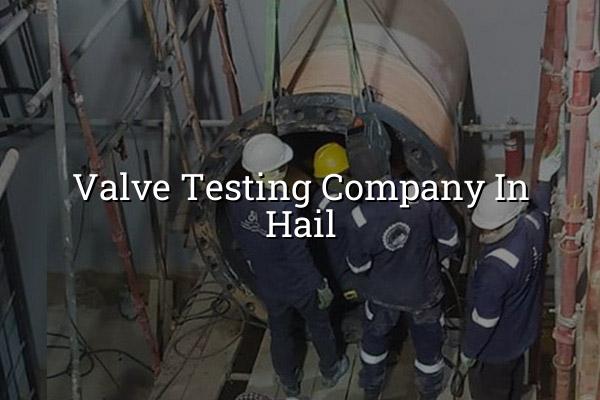
Valve testing company in Hail is the phrase people use when they need a team that can prove a valve will hold pressure, close properly and behave the way the process expects. That is the real job here: reduce leaks, catch seat issues early and keep maintenance work from turning into an unplanned stop.
We support plants, contractors and maintenance teams working in Hail and the surrounding industrial areas with onsite testing, mobile lab support and clear traceable records. In Saudi Arabia, where oil & gas, petrochemical, power and cold-chain sites all depend on sound isolation hardware, a valve that has been checked properly saves a lot of trouble later.
What a valve testing company in Hail should actually verify
People often ask for valve testing right before a shutdown, turnaround or commissioning check. That makes sense. Gate valves, globe valves, ball valves, check valves and control valves all need different checks, but the basic expectation is the same: the valve has to seal, operate smoothly and respond within the limits your system needs. For many clients, we start with pressure and leakage testing, then move to functional checks, visual inspection and any repair advice that follows from the results.
Where the work starts
We usually begin with identification, service condition and the valve's duty in the line. A valve on a utility skid is not the same as a valve sitting in a hydrocarbon line, and a temporary isolation point is different again. In Hail, that distinction matters because facilities mix process lines, water systems, compressed air and fire-related duties. We also check the available test medium, the pressure range and the practical access for onsite work.
How the test result is read
There is no single number that tells the whole story. A good result means the valve held the required pressure, showed no visible leakage at the body or seat, and opened and closed as expected under the stated conditions. If a client needs documentation for QA, maintenance or handover, we can record the setup, observations and the outcome in a way that the team can file and review later.
- Identify the valve and service duty — confirm the tag, size, type and where it sits in the system.
- Inspect the body and trim — look for wear, corrosion, damaged packing, actuator issues or poor previous repairs.
- Set up the test safely — isolate the line, prepare the test medium and verify the test arrangement before pressurising.
- Run pressure and leakage checks — watch the valve body, seat and connections closely during the test.
- Record the outcome — note pass, fail or repair needed, then decide on the next maintenance step.
- Ask for the test medium and pressure range before work starts.
- Keep the valve tag and line number with the records.
- Make sure packing and flanges are inspected, not just the seat.
- Use traceable instruments for pressure measurement and related checks.
- Plan for isolation, access and safe return to service after testing.
Valve testing methods and what each one tells you
| Test type | What it checks | Typical use case |
|---|---|---|
| Pressure test | Body strength and pressure holding | Shutdown work, repair verification, pre-commissioning |
| Leakage test | Seat sealing and visible leakage points | Isolation valves, process lines, utility systems |
| Functional test | Open/close action and movement quality | Manual valves, actuated valves, field maintenance checks |
| Inspection review | Wear, packing condition, damage and assembly issues | Recurring failures, suspect valves, turnaround planning |
Why valve testing matters in Hail projects
On Saudi sites, one small leak can become a maintenance headache fast. If the valve is part of a pump house, utility header, cold-store line or process isolation point, the cost is rarely just the part itself. It affects scheduling, safety permits and the people waiting to restart the system. That is why teams want a test record they can trust, not a guess based on appearance alone.
Keep the paperwork tied to the hardware
We see this problem often: a valve gets sent for work, comes back, and the tag history gets lost in a folder or on a phone photo. Good documentation should keep the tag number, location, test method and result in one place. If your QA team works to ISO 9001:2015 or your project needs traceable calibration support, that discipline makes handover much easier.
Useful on shutdowns and new installs
We help when a line is being recommissioned, a repaired valve needs confirmation, or a contractor wants proof before sign-off. Our team works with the same practical mindset every time: verify the valve, note the result, and leave the site with less uncertainty than we found.
How we handle valve testing work in Hail and nearby sites
Some valves can be tested where they sit. Others are better handled after removal, cleaning or repair. We use that split to save time and avoid unnecessary handling. Our temperature-controlled in-house laboratory, plus the fully equipped mobile calibration lab, helps us support work that needs controlled conditions or onsite attention. If the item needs special handling, pick-up and delivery can be arranged.
For maintenance teams in Hail, that flexibility helps with rotating shutdown windows and tight access rules. For contractors serving bigger Saudi industrial projects, it keeps the workflow moving without forcing every job into the same pattern. We can also support related tasks such as pressure instrument calibration, mechanical checks and commissioning work, so the valve test sits inside the wider maintenance picture.
- Onsite checks for installed valves and accessible lines.
- In-house support when a controlled setup is better.
- Help with related pressure calibration and verification needs.
- Practical reporting for maintenance, QA and commissioning teams.
- Service support for oil & gas, power, manufacturing and cold-chain work.
How Mayon Industrial Services Can Help
If you're looking for a valve testing company in Hail, we can support the job with practical field experience, ISO/IEC 17025:2017-aligned calibration capability and the kind of reporting maintenance teams actually use. We also help when the valve work is only one part of a larger scope, like mechanical services, inspection, pressure instrument checks or commissioning support. If you want a quick discussion about the site, send the tag details and we'll take it from there.
Call +91 99447 80844 (India) or +966 59 633 8012 (Saudi Arabia), email services@mayonservices.com, or message us on WhatsApp.
Frequently Asked Questions
Look for a team that can handle pressure, leakage and functional checks, not just one of those items. Ask how they record the result, whether the setup is suitable for onsite work, and if they can support the valve within your wider maintenance scope. For Hail projects, that usually means a provider that understands Saudi industrial sites, shutdown timing and the paperwork your QA team expects.
Most site teams ask about gate, globe, ball and check valves first, and those are common candidates. Actuated valves can also be checked if access, isolation and the test arrangement are suitable. The exact method depends on the valve size, service duty and whether the unit is installed or already removed for work.
Yes, that is usually part of the job when the valve's duty calls for it. We look for leakage at the seat, body and connections, then note any packing or assembly issues that could affect the result. If the valve fails, the next step may be repair, rework or replacement depending on the site owner's decision.
Yes, and that is one of the most common reasons clients call us. Shutdown work needs clear planning because access, isolation and line readiness all affect the test. We work with maintenance and commissioning teams so the valve check fits into the larger schedule instead of slowing it down.
Yes, we can document the work so the result stays tied to the valve tag and site record. That's useful for QA, maintenance history and handover files. If your team needs the valve test linked with calibration or inspection records, we can keep that structure consistent.
Ready to get the valves checked properly?
If you need dependable testing, clear records and support that fits industrial work in Hail, talk to Mayon Industrial Services and we'll help you plan the next step.
Contact Mayon