
Valve Testing Company in Ras Tanura
Onsite valve testing for oil, gas and utility systems, with traceable results for Ras Tanura projects and shutdown work.
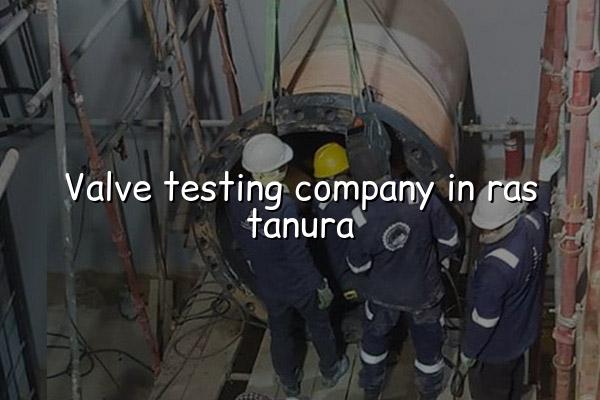
Valve testing company in Ras Tanura searches usually come from teams that need a clear answer fast: can this valve hold pressure, pass a leak test, and return to service without surprises? That is exactly the kind of work we handle for field crews, maintenance planners and shutdown teams.
We support oil and gas, petrochemical and utility assets across Saudi Arabia and the wider Middle East, with onsite testing, traceable methods and practical reporting. If your valves sit on a live line, a skid package or a critical safety system, you need results you can trust before the crew signs off.
What a Valve Testing Company in Ras Tanura should actually check
In Ras Tanura, valve work often sits close to production risk. A valve that looks fine on the outside can still fail under pressure, pass fluid where it should seal, or stick when the operator needs a clean open and close. That is why testing has to cover function, leakage, pressure integrity and, where needed, the condition of the body, bonnet and end connections.
Why valve testing matters before re-commissioning
We see this most during turnaround work. A line may be repaired, a valve removed for maintenance, or a new valve installed on a package for the refinery or terminal area. If the valve is not checked properly, the problem moves downstream: unexpected leakage, delayed start-up, unsafe isolation, or repeat maintenance after handover. Good testing gives your team a clean decision point.
Onsite and workshop-based checks
Sometimes the valve can be tested in place. Sometimes it has to come off the line and be sent for controlled work. Our approach depends on size, service, access and condition. For critical equipment, we look at the real operating situation first, then choose the safest method that still gives a dependable result. That is one reason Ras Tanura teams often ask for a service partner who can work onsite and also handle lab-based checks when the job needs it.
- Identify the valve and service duty — confirm type, size, pressure class, media and where it sits in the system.
- Inspect the external condition — check tags, body condition, end connections, handwheel or actuator setup, and any visible damage.
- Perform the selected test — carry out pressure, leak or functional checks using the agreed method and safe setup.
- Record the results clearly — document pass or fail, observations, and any defects that need repair or retesting.
- Decide the next step — return to service, send for maintenance, or schedule repeat testing after corrective work.
- Use a test plan that matches the valve duty, not a generic checklist.
- Confirm isolation and safe access before any pressure is applied.
- Keep records tied to the valve tag number and location.
- Retest after repair work, especially on critical isolation valves.
- Ask for traceable results when the valve supports regulated or safety-related service.
Common valve testing methods and where they fit
| Test method | What it checks | Typical use | Practical note |
|---|---|---|---|
| Hydrostatic pressure test | Body integrity and pressure holding | New valves, repaired valves, critical service checks | Used when the system can be safely pressurised with water or suitable test medium. |
| Leak test | Seat tightness and sealing performance | Isolation valves, shutdown valves, service valves | Helpful where leakage control matters more than general structural checks. |
| Functional test | Open/close movement and operability | Manual and actuated valves | Shows whether the valve moves cleanly under the expected operating setup. |
| Actuator verification | Response, travel and control action | Automated valve packages | Often paired with commissioning work before a line starts up. |
How we keep valve testing traceable and useful
For industrial buyers, the test itself is only half the job. The other half is the paper trail. Your maintenance team needs to know what was checked, what medium was used, what the result was, and whether the valve passed or needs follow-up. We work to ISO/IEC 17025:2017 where calibration traceability is part of the job, and we keep the reporting clear enough for QA, maintenance and shutdown planners to use without chasing extra clarification.
What traceability gives your team
It reduces arguments at handover. It helps during audits. It also makes repeat work easier, because the next technician can see what happened last time instead of starting from zero. In our experience, that matters just as much as the test bench itself, especially when a plant is managing multiple valves across one outage window.
Built for plant teams in Ras Tanura
We plan around site conditions, access limits and shutdown schedules. If the valve is better handled onsite, we come prepared. If it needs controlled attention or additional calibration support, we can handle that through our in-house lab capability and mobile calibration lab.
Things to check before sending valves for testing
Many valve issues are slowed down by missing details, not by the testing itself. If you give us the right information up front, we can plan the method, the equipment and the access needs more cleanly. That saves your team time on site, especially when the work is tied to a shutdown or a live plant area.
Bring the valve tag number, service description and pressure rating if you have them. If the valve was removed after a leak, tell us what was observed. If it belongs to a critical isolation line, say so early. That helps us match the method to the risk and avoid wasteful back-and-forth.
Useful details to send with the enquiry
Size, type, media, location, actuator details and whether the valve needs repair as well as testing. If the valve is part of a package system, share the broader setup too. The more real-world context we get, the better the test plan turns out.
- Valve tag number and service line identification.
- Pressure class, size and end connection details.
- Any leak history, sticking, or actuator issues.
- Site access notes, lifting limits and shutdown constraints.
- Need for repair, retesting or supporting calibration records.
Frequently Asked Questions
The best fit is usually a team that can test valves onsite, document results clearly and handle different plant conditions without slowing the shutdown. For Ras Tanura, that matters because many jobs sit inside oil, gas and petrochemical environments where access and timing are tight. We focus on that kind of work and keep the process practical for site teams.
Common checks include pressure testing, leak testing and functional movement checks. If the valve has an actuator, we also verify the action and travel where that forms part of the job. The exact method depends on the valve type, service duty and the plant's own acceptance requirements.
Yes, onsite testing is often the right choice when the valve is already installed or the system cannot be moved easily. We also bring mobile calibration support when the job needs traceable checking for instruments used during the work. That combination helps reduce handling and keeps the job closer to the plant.
Yes. A repaired valve should be checked again before it goes back into service. That step matters because the repair may fix the obvious problem while leaving a seat issue, body concern or actuation fault that only shows up under test conditions.
Send the valve tag, type, size, pressure rating, service media and the location in the plant. If you know why the valve is being tested, include that too. A few lines of real context usually help us choose the right method faster than a long generic request.
How Mayon Industrial Services Can Help
If you're looking for a valve testing company in Ras Tanura, we can support the job with onsite checks, calibration support and practical reporting that fits plant work. Our team also handles related mechanical services, inspection, electrical testing and commissioning, so you don't have to split one maintenance issue across multiple vendors.
We work across Saudi Arabia from Dammam Industrial City 2, and we also support India and the wider Middle East with the same industrial mindset. Call +91 99447 80844 (India) or +966 59 633 8012 (Saudi Arabia), email services@mayonservices.com, or message us on WhatsApp.
Need valve testing you can sign off with confidence?
Tell us what valve you're dealing with, where it sits, and what the plant needs. We'll help you choose the right test path and keep the paperwork tidy.
Contact Mayon