
Weighing Scale Calibration Company in Qassim
Traceable scale calibration for plants, warehouses and service teams working across Qassim and the wider Saudi industrial belt.
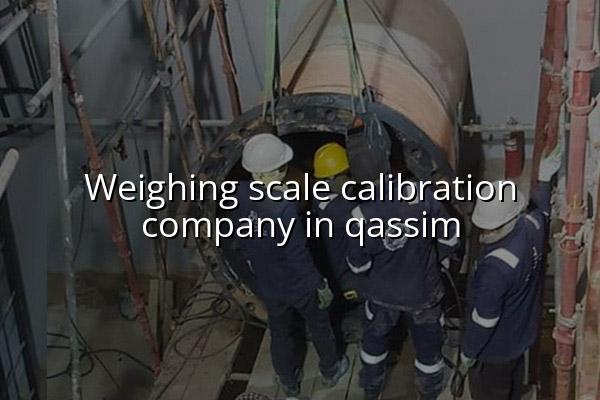
Weighing scale calibration company in Qassim is the phrase people usually type when their production line, warehouse or dispatch desk can’t afford a bad reading. We help you get scales checked against traceable standards so the numbers you rely on are the numbers you can defend in audits, customer disputes and internal checks.
In Saudi plants, the problem is rarely just “the scale is off.” It’s dust, vibration, forklift traffic, heat, rushed handling and poor maintenance habits. Our team works around those realities with onsite and lab-based calibration, and we also support teams that need pick-up and delivery for instruments that require controlled handling.
How a weighing scale calibration company in Qassim should work
A good weighing scale calibration company in Qassim does more than place test weights on a platform and print a sheet. You need a technician who understands how load cells behave, how zero drift shows up during a shift, and how to separate a display problem from a mechanical issue. That matters in food plants, cold stores, packaging lines, pharma stores and maintenance yards where even small errors affect stock, billing and quality records.
What we check during a typical visit
We look at repeatability, linearity, eccentric loading and the basic condition of the scale before we start calling anything “pass” or “fail.” For bench scales, floor scales, counting scales and industrial weighbridges, the setup usually changes, but the logic stays the same: verify the reading at practical points across the working range and confirm the instrument behaves predictably after repositioning.
Why Qassim sites ask for onsite work
Most teams in Buraidah, Unayzah, Al-Rass and nearby industrial areas ask for onsite calibration because removing a scale from service can interrupt dispatch, production or receiving. Onsite work also shows the real installation conditions. If the floor flexes, if the scale frame is misaligned, or if cable routing is disturbing the indicator, you want to see that on site, not after the asset has been moved.
- Identify the scale type — confirm the platform size, capacity, resolution and where it is used so the test approach fits the job.
- Inspect the condition first — check the platform, indicator, cable, leveling and visible wear before any loading begins.
- Apply test points — verify readings at low, mid and high load points, and include edge positions where required.
- Record the results clearly — capture the observed values, pass/fail status and any adjustment notes for internal traceability.
- Follow up on corrections — if the scale needs servicing, alignment or replacement parts, plan that before the next production cycle starts.
- Use traceable test weights suitable for the scale’s capacity and application.
- Keep the scale level and stable before any acceptance check.
- Recheck after cleaning, relocation or maintenance work.
- Match the report format to your QA or warehouse record system.
- Plan calibration before ISO 9001:2015 or customer audits come around.
Common weighing scale types and what calibration teams usually look for
| Scale type | Typical use | Key check points |
|---|---|---|
| Bench scale | Parts counting, packing and dispatch stations | Zero stability, repeatability and corner loading |
| Floor scale | Drums, sacks, cartons and pallet loads | Platform level, load response and indicator consistency |
| Counting scale | Stores and production kitting | Reference piece weight, display stability and drift control |
| Weighbridge | Truck entry, outbound shipping and bulk material flow | Load distribution, mechanical integrity and full-span checks |
What traceable calibration gives your team
When a scale is calibrated against a proper reference chain, your records become easier to defend. That is useful in receiving, inventory control, batching, quality checks and dispute handling with vendors or customers. We work to ISO/IEC 17025:2017 principles for calibration competence, and that helps your team keep evidence that sits well in regulated industrial environments.
Where problems usually start
In our experience, the trouble starts after relocation, poor cleaning, overloaded use or cable damage. A scale can look fine and still give unstable readings at the edges, especially in hot rooms or high-traffic packing areas. If your process depends on tight tolerances, even a small offset can trigger waste, rework or complaints.
Built for plant and warehouse reality
Qassim sites often need work done around shift timing, cargo movement and limited downtime. We plan around that. Our mobile calibration lab and onsite capability let us handle practical scale checks where the equipment is actually used, while our in-house laboratory supports instruments that need controlled conditions.
Why industrial sites in Qassim call for more than a quick functional test
A functional check only tells you that the display changes when weight is added. Calibration goes further. It tells you how the scale behaves at different points, whether the error grows as the load increases, and whether the unit returns to zero properly. That’s the level most QA managers want before a batch release, stock transfer or export shipment.
We also see requests from maintenance teams who suspect mechanical wear rather than electronic fault. That happens a lot with platforms that carry mixed loads through the day. The load cells may still be healthy, but the base, frame or mountings need attention. In those cases, calibration and mechanical inspection should happen together.
Two scenarios that come up often
One is a packaging line where bags are accepted by weight, but operators keep rejecting product because the displayed number drifts after warm-up. The other is a warehouse floor scale that was moved during cleaning and never re-leveled properly. In both cases, the fix is rarely guesswork. You need inspection, calibration and, if needed, corrective work.
- Supports industrial scales used in manufacturing, logistics and food handling.
- Helps align records with ISO 9001:2015 quality procedures.
- Useful before customer witness checks and internal audits.
- Can be planned alongside repair, maintenance or relocation work.
How Mayon Industrial Services Can Help
We support weighing scale calibration with onsite service, mobile laboratory capability and the kind of mechanical sense that helps when a scale problem isn’t only about the indicator. If your site in Qassim needs bench scales, floor scales or heavier industrial equipment checked, our team can handle the calibration side and help you decide if repair or adjustment is needed too. We also support related needs like inspection, maintenance and lab setup for teams that want one contact point for industrial measurement work.
Call +966 59 633 8012 (Saudi Arabia) or +91 99447 80844 (India), email services@mayonservices.com, or message us on WhatsApp.
Frequently Asked Questions
Yes — you want a provider that understands industrial use, not just shop-floor weighing. For Qassim sites, that usually means onsite calibration with traceable references, plus the ability to inspect the scale for mechanical issues. If your scale sits in a warehouse, production area or dispatch bay, the on-site environment matters a lot.
The interval depends on use, load severity and audit needs. A scale used all day in a dusty or high-vibration area usually needs attention more often than one used lightly in a controlled room. Many teams set the interval based on risk, previous drift and their internal quality procedure.
Yes, and for many sites that’s the best option. Onsite work avoids moving heavy equipment, keeps the scale in its real installation position and lets the technician see whether the problem is electrical, mechanical or environmental. It also reduces disruption to receiving, packing or dispatch.
Ask for the calibration record, the as-found or as-left results if they’re included in your scope, and the identification details of the scale that was tested. Your internal QA team may also want asset tags, location, and any notes about adjustments or issues found during the visit. That paperwork becomes useful during audits and stock investigations.
Unstable readings often come from poor leveling, damaged load cells, cable faults, vibration, wind on open platforms or a contaminated weighing surface. Heat and repeated overloading can also create drift that shows up only after the scale has been running for a while. A proper inspection helps separate those causes instead of guessing.
Need scale readings you can trust?
If your Qassim operation depends on accurate weighing, let’s get the calibration plan in place before the next audit, shipment or production cycle.
Contact Mayon
Accurate weighing keeps operations honest. If you need a weighing scale calibration company in Qassim that understands industrial work, traceability and real site conditions, Mayon Industrial Services is ready to help with the next step.