
Aramco Approved Calibration Company in Marjan
Traceable calibration support for Marjan projects, shutdowns and plant operations across the Eastern Province.
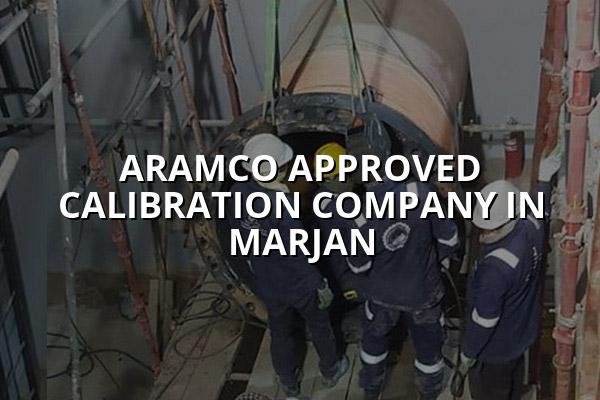
Aramco approved calibration company in Marjan searches usually come from a simple need: you need traceable instruments, clear records and a team that understands oil and gas site work. That’s exactly where we help, with calibration support that fits plant maintenance, shutdown planning and QA checks.
We work with teams handling pressure, temperature, electrical and mechanical instruments in Marjan and nearby Eastern Province operations. Our in-house, temperature-controlled lab and mobile calibration lab let us handle instruments that stay onsite and those that need special handling before they go back into service.
What Marjan teams need from an Aramco approved calibration company
In Marjan, calibration work is rarely just about sending a certificate. Engineers want traceability, correct range selection and a supplier who can work around operating constraints without slowing down the plant. That matters for pressure gauges, RTDs, thermocouples, transmitters, torque tools, weighing systems and electrical test gear used in oil and gas environments.
Why traceability matters on Saudi oil and gas sites
For site audits and maintenance records, the chain of traceability has to be clean. Our work is aligned with ISO/IEC 17025:2017, which is what most QA and maintenance teams expect when they ask for calibration support they can defend during reviews. We also work with ISO 9001:2015 quality systems in the way documents, labels and instrument histories are handled.
Onsite work, lab work, and pick-up support
Some items are best calibrated onsite because they’re large, critical to operations or hard to disconnect. Others need controlled lab conditions, and that’s where our temperature-controlled facility and pick-up and delivery option help. It keeps delicate instruments away from unnecessary handling and gives your team a cleaner route from receipt to return.
- Identify the instrument list — group items by type, range, and whether they can be removed from service safely.
- Check the site condition — confirm access, safety permits and whether the work needs onsite or lab calibration.
- Match the method — select the right standard, reference equipment and calibration discipline for each item.
- Verify before release — review the readings, labels and certificate data so the instrument goes back with a clear status.
- Keep a current asset list with tag numbers and ranges.
- Separate critical process instruments from routine workshop tools.
- Plan around shutdown windows, not around calendar convenience.
- Ask for onsite calibration when removal could affect production or safety.
Typical calibration scope for Marjan industrial instruments
| Instrument group | Common site use | Best calibration route |
|---|---|---|
| Pressure gauges and transmitters | Process lines, skids and utility systems | Onsite where removal creates downtime; lab when condition control is needed |
| Temperature sensors | Heat exchangers, tanks, ovens and storage areas | Lab or onsite depending on access, immersion depth and stability |
| Electrical test equipment | Maintenance, commissioning and troubleshooting | Lab calibration with clear traceability and range verification |
| Torque and force tools | Flange work, assembly and maintenance | Lab calibration with controlled reference loading |
How we support plant reliability and audit readiness
Marjan facilities usually want more than a certificate file sitting in email. They want labels that stay legible, certificates that match asset IDs and test methods that fit the equipment in front of them. That’s why we keep the process practical, with calibration coverage for electro-technical, pressure, mechanical, thermal, biomedical, mass and volume, torque and force, noise and speed, concrete batching plant and civil instruments.
What happens when the instrument needs extra care
Some instruments can’t be treated like normal workshop items. If special storage, careful transport or controlled testing conditions are needed, we use pick-up and delivery together with the lab environment that suits the item. That approach is useful for instruments serving petrochemical units, power plants and cold-chain operations where drift or damage can quickly affect output.
Built for operating sites, not just paperwork
Our team also supports condition monitoring, electrical testing and commissioning, mechanical services, inspection, orbital welding and temperature mapping. In practice, that means one vendor can help around the full maintenance cycle instead of handing you off between separate contractors.
How Mayon Industrial Services Can Help
If you’re looking for an Aramco approved calibration company in Marjan, we can support your team with onsite calibration, in-lab work, instrument pickup, and clear documentation for maintenance and QA records. We also handle related work like condition monitoring, mechanical services, electrical testing and commissioning, inspection, and lab setup, so your job doesn’t get split across too many vendors.
Call +91 99447 80844 (India) or +966 59 633 8012 (Saudi Arabia), email services@mayonservices.com, or message us on WhatsApp.
Frequently Asked Questions
Usually, you’re looking for traceable calibration, proper documentation and the ability to work around site conditions. For Marjan operations, that often means pressure, temperature, electrical and mechanical instruments, plus a process that fits maintenance or shutdown planning. We handle both onsite and in-lab work depending on the instrument and the situation.
Yes, onsite work is one of the main ways we support industrial clients. Our mobile calibration lab helps when the instrument should stay on site, while the in-house lab is there for items that need controlled conditions or careful transport. That mix helps reduce unnecessary downtime.
We cover electro-technical, pressure, mechanical and dimensional, thermal, biomedical, mass and volume, torque and force, noise and speed, concrete batching plant and civil calibration. That gives maintenance teams a wider scope under one provider. It’s useful when your asset list touches several departments.
We do. Our calibration work follows ISO/IEC 17025:2017 practices, and we also work within ISO 9001:2015 quality systems. That means certificates, tags and records are handled in a way that’s easier for QA and maintenance teams to file and review.
Yes. Some instruments are better moved under controlled conditions, especially if they’re sensitive, fragile or tied to special storage needs. We can arrange pick-up and delivery so they reach the right environment before calibration and return to you with less handling risk.
Need calibration support for Marjan operations?
Send us your instrument list and we’ll help you choose the right onsite or lab route for your plant, workshop or shutdown plan.
Contact Mayon