
Bolt Tensioning Service Company in Haradh
Controlled bolt tightening for flanges, skids and critical plant equipment in Haradh and nearby Eastern Province facilities.
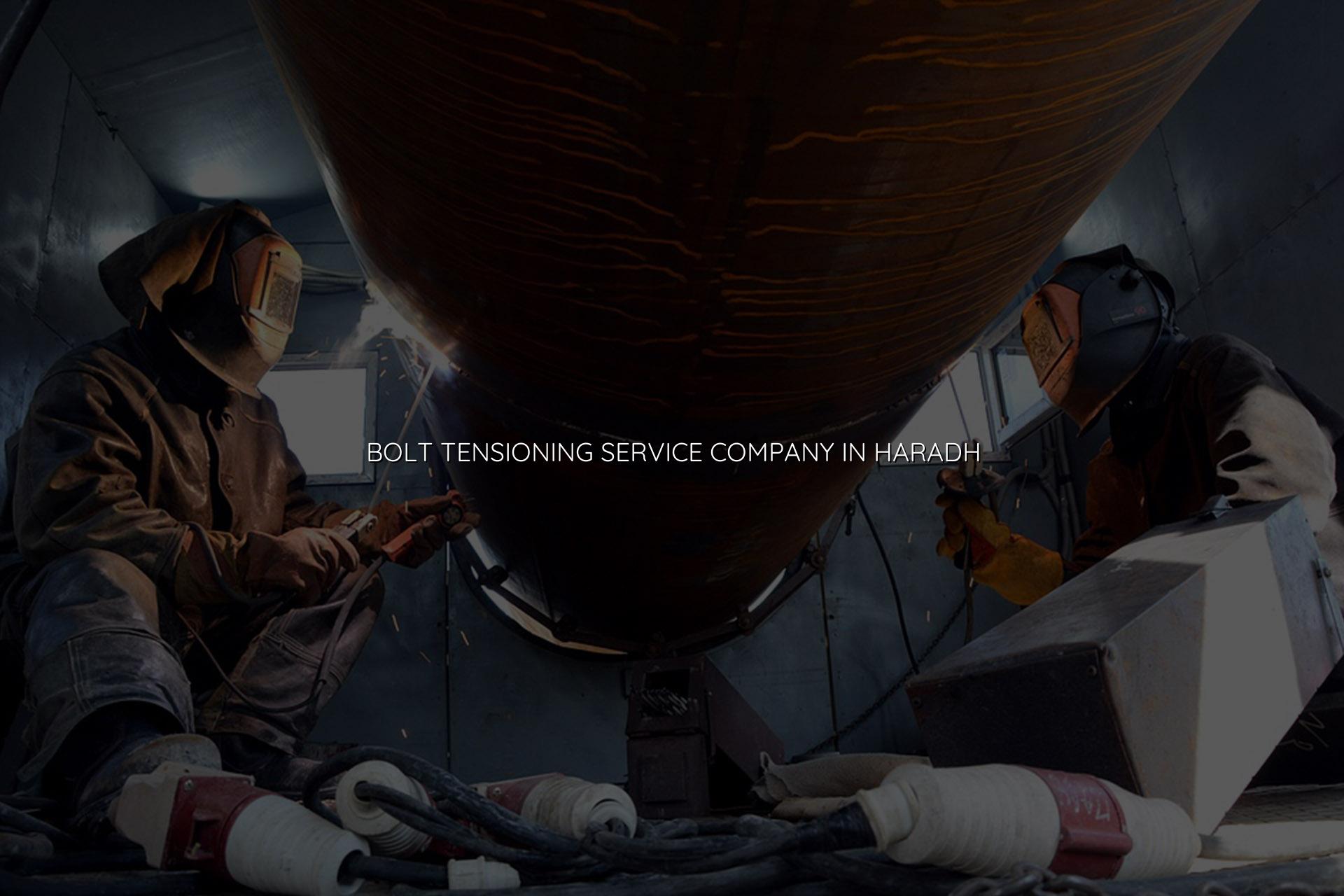
Bolt tensioning service company in Haradh searches usually come from teams that need one thing: joints that stay loaded the way they were designed. We help you get there with controlled hydraulic tensioning, clear records and a practical site approach that fits refinery, utility and maintenance work.
From Haradh industrial sites to wider Saudi and GCC turnaround jobs, our crew works around flange integrity, safe access and traceable tightening. You get support for critical piping, equipment skids and pressure systems where uneven bolt load can turn into leaks, repeat work or longer shutdowns than planned.
Bolt Tensioning Service Company in Haradh for Plant Joints That Hold
In pipework and pressure equipment, the job is not just to tighten bolts. The real aim is to create even, repeatable bolt load so the gasket can seat properly and stay seated under temperature changes, vibration and pressure cycling. That matters in Haradh work sites, especially where shutdown windows are short and the crew needs first-pass results.
Where hydraulic tensioning beats hand tightening
For large flanges, exchangers, pumps, compressors and other critical joints, manual tightening can leave one side of the flange carrying more load than the other. Hydraulic bolt tensioning reduces that risk by stretching the studs in a controlled way before the nut is set. We see the difference most clearly on jobs with multiple passes, awkward access or joints that have already leaked before.
Why records matter after the joint is closed
Good tightening work does not end when the last nut is seated. Your maintenance team still needs a record of the method used, the bolt pattern followed and the equipment condition at the time of work. That helps during later inspection, gasket review and troubleshooting, especially on repeated outage work in Saudi Arabia's oil and gas and petrochemical facilities.
- Inspect the joint first — we check flange faces, stud condition, nut engagement and any signs of old leakage before we start.
- Plan the tensioning sequence — the bolt pattern, load order and access points are set so the joint closes evenly.
- Apply controlled load — hydraulic tensioners are used to stretch the studs in a measured way rather than relying on guesswork.
- Set and verify — once the nuts are seated, we confirm the joint condition and keep a simple work record for your team.
- Better load distribution across critical flange bolts
- Useful for shutdowns, turnarounds and repair work in Haradh
- Helps reduce rework caused by uneven tightening
- Fits jobs where access is tight and repeatability matters
Choosing the Right Tightening Method for the Job
| Method | Best Used For | Site Benefit |
|---|---|---|
| Hydraulic bolt tensioning | Large flanges, pressure systems and critical joints | Even bolt load with controlled setting |
| Hydraulic torque tightening | General flange work and maintenance joints | Practical control where tensioning gear is not needed |
| Manual torque tightening | Smaller or less critical assemblies | Useful for lighter-duty jobs and final checks |
| Retightening review | Leak investigations and repeated maintenance jobs | Helps identify joint movement and gasket issues |
Why Haradh Sites Ask for a Controlled Bolt Tensioning Team
Haradh facilities often deal with live plant interfaces, maintenance permits and work areas that leave little room for trial and error. A controlled tightening job helps the maintenance manager, QA team and contractor supervisor stay aligned on the method before the first stud is loaded. That is where a disciplined crew saves time later, because the joint is closed with less drama.
Built for refinery and utility maintenance
We support work on process piping, pumps, exchangers, skids and allied equipment where the flange condition has to be treated as part of the asset, not an afterthought. In our experience, the jobs that go best are the ones where the bolt pattern, tooling and access plan are discussed before the wrench or tensioner comes out of the case.
More Than Tightening
We can support nearby work with flange facing, hydrotesting, cold cutting, testing and commissioning, plus calibration for the gauges and instruments used on the job. That gives your team one point of contact for the tightening work and the measurement side around it.
Details That Make a Bolt Tensioning Job Go Better
Small things decide whether a joint behaves or gives trouble. Thread condition, lubrication practice, stud length, flange face damage and even the order of the bolt pull all affect the final result. On a good site, these are discussed early. On a rushed site, they become the reasons a gasket has to be changed twice.
We keep the approach practical. If the job calls for hydraulic bolt tensioning, we look at access and the size of the assembly. If the job is better handled with torque tightening, we say so. That kind of judgment matters to plant teams who want the right method, not a sales pitch.
What your team should prepare
Give us the flange details, service fluid, operating pressure and any previous leak history you have. If the joint has already been opened, a quick note on old gasket type, corrosion or damaged studs helps a lot. The better the background, the better the plan.
We also pay attention to the wider maintenance picture. If the same shutdown includes calibration checks, inspection work or mechanical repairs, it often makes sense to line the activities up together so the site gets fewer handovers and less waiting around for different contractors.
- Check flange face condition before any load is applied
- Confirm the stud and nut sizes against the actual joint
- Review prior leakage, corrosion or gasket damage
- Keep the tightening pattern visible to the whole crew
How We Work Around Turnarounds and Shutdowns
Shutdown work in Saudi Arabia can move quickly, and the people on site want a team that understands the pace without cutting corners. We keep the approach simple: inspect, plan, tighten, confirm, record. It sounds basic, but that is usually what keeps the job clean.
When a joint has already failed once
If a flange has leaked before, we treat that as a signal, not just a nuisance. The previous failure could point to bolt condition, gasket selection, face damage or a loading issue. The point is to correct the source, not just close the joint again and hope for the best.
Useful Across Related Work
We can also support condition monitoring, infrared thermography, vibration checks, inspection services and equipment repair where the shutdown scope includes more than one discipline. That helps plant teams in Haradh and the wider GCC keep one clear line of communication.
How Mayon Industrial Services Can Help
We handle bolt tensioning alongside related mechanical and calibration work, so your team isn't juggling separate vendors for the same shutdown. If you need flange tightening support, site troubleshooting or a wider maintenance package in Haradh, we can step in with the right tools and a field team that knows industrial work in Saudi Arabia.
Call +91 99447 80844 (India) or +966 59 633 8012 (Saudi Arabia), email services@mayonservices.com, or message us on WhatsApp.
Frequently Asked Questions
We tighten critical flange joints using controlled methods, usually hydraulic tensioning or torque tightening, depending on the assembly. The job is to create even load, help the gasket seat properly and give your maintenance team a clear record of what was done.
Honestly, the bigger and more critical the flange, the more often tensioning becomes the better choice. It works well where even bolt load matters most, such as pressure systems, exchangers and repeated shutdown joints with a leak history.
Yes. We support industrial sites in Haradh and broader Saudi Arabia, especially where bolt tightening sits alongside maintenance, inspection or repair work. If the scope includes related tasks, we can coordinate the work so the site has one practical plan.
We do keep the work traceable. The record depends on the job scope, but your team can expect the tightening method, job details and relevant observations to be captured so the joint history is easier to review later.
Yes, and that is a common request. We look at the earlier failure as a clue, then review bolt condition, face condition, gasket history and the loading method before we decide how to proceed.
We do both. Along with bolt tensioning, our team can support hydrotesting, flange work, cold cutting, testing and commissioning, plus calibration and inspection services when the shutdown scope needs more than one trade.
Need Bolt Tensioning That Stays Consistent?
If the joint matters, the loading method matters too. Send us your scope and we'll help you plan the work with a practical site approach.
Contact Mayon