
Bolt Tensioning Service Company in Jizan
Controlled flange loading for refineries, plants and maintenance shutdowns across Jizan and the wider Saudi west coast.
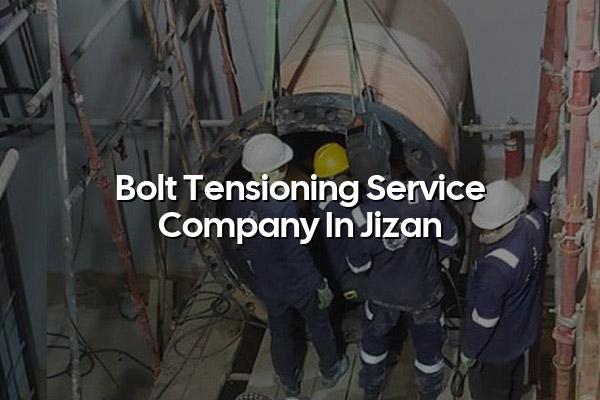
Bolt tensioning service company in Jizan is the phrase most plant teams use when a shutdown depends on leak-free, evenly loaded joints. That’s exactly the job: controlled preload, clean bolt stretch records, and fewer surprises when the line comes back online.
We work with maintenance crews, QA teams and shutdown contractors across Saudi Arabia, especially in Jizan’s industrial and coastal operations where heat, corrosion and time pressure all hit at once. Our team brings hydraulic tensioning, flange work and mechanical discipline to sites that need steady hands, not guesswork.
Bolt tensioning service company in Jizan for shutdowns that need control
When a joint has to hold pressure, temperature and vibration, bolt tensioning beats the old habit of “tight enough by feel.” We see this most often on refinery piping, utility skids, hydrotest setups, cooling lines and rotating equipment supports. The point is simple: load the bolts evenly, keep the gasket seated the right way, and document what was done.
Where the service fits best
Jizan sites often deal with maintenance windows that are short and unforgiving. That includes oil and gas assets, petrochemical lines, power auxiliaries, water systems and plant tie-ins where a single uneven bolt can turn into a leak path. We plan the job around the joint, the bolt size, access and the sequence the client needs.
What we look at before we start
Before any tensioning work, our crew checks bolt condition, flange face condition, gasket type and access clearance. If the joint needs extra preparation, we can support flange facing, bolt torquing, hydrotesting and related mechanical services so the tensioning work is not done on a poor foundation.
- Inspect the joint — confirm flange condition, bolt grade, gasket type and any corrosion or damage that could affect preload.
- Plan the tightening sequence — map the bolt pattern so the load builds evenly and the gasket seats without distortion.
- Apply controlled hydraulic tension — stretch the bolts to the required load, then lock the joint in the correct sequence.
- Check and record the result — verify the final condition, note any corrective action and hand over clear job records.
- Useful for critical flanged joints on process and utility lines
- Better load control than hand tightening or uneven impact wrench work
- Helpful when access is tight and bolt stretch must stay consistent
- Works well with shutdowns, turnaround jobs and recommissioning work
- Can be paired with hydrotesting, flange work and commissioning support
Bolting methods used on industrial flange joints
| Method | Best use | What the team gets |
|---|---|---|
| Hydraulic tensioning | Critical flanged joints, repeat work, shutdowns | Controlled bolt stretch and even load distribution |
| Hydraulic torquing | General industrial bolting and maintenance work | Measured tightening with better consistency than manual methods |
| Manual tightening | Light-duty or non-critical assemblies | Quick setup, but limited load control |
| Mixed mechanical support | Jobs needing flange prep or pressure testing | Better joint readiness before final bolt loading |
Why accurate bolt tensioning matters on Saudi industrial sites
A joint that looks tight can still be uneven underneath. That is where leaks start, especially on hot process lines, cyclic service and vibration-heavy equipment. In our work across Saudi Arabia and the Middle East, the better jobs are the ones where the crew respects the sequence, checks the fit-up and records the result instead of rushing the last stage.
Standards, traceability and practical control
For calibration-linked work, we keep our approach tied to ISO/IEC 17025:2017 and ISO 9001:2015, with the same discipline we bring to calibration and inspection jobs. On bolted joints, that means controlled equipment, documented steps and a clear handover for the maintenance file. If the site also needs lifting inspection, NDT, pressure work or PAT testing around the same shutdown, we can coordinate the package.
Typical site conditions we handle
Corrosion-prone coastal equipment, tight pipe racks, restricted access skids, and maintenance windows where the crew needs one team to handle the bolting and the related mechanical checks. That mix is common in Jizan and across the Saudi industrial belt.
Checklist before you book a bolt tensioning service
Most clients call us after a leak, but the smoother jobs are the ones planned earlier. If you’re comparing vendors in Jizan, ask about the exact joint type, the method they’ll use, and whether they can support the surrounding mechanical work as well. A good response sounds specific, not vague.
We also see value in a single contractor who understands the wider shutdown picture. If the job needs cold cutting, flange facing, hydrotesting, bolt torquing and tensioning, or even post-work commissioning, the coordination is cleaner and the site team spends less time chasing separate crews.
Questions worth asking on the first call
Ask who will attend the site, what equipment will be used, how the sequence will be managed, and what records you will receive after the job. If you need the work done in Saudi Arabia, you should also confirm the contractor can support local industrial conditions and the scheduling pressure that comes with refinery and petrochemical maintenance.
- Confirm the exact flange size, bolt count and gasket type before mobilization
- Ask whether hydraulic tensioning or torquing suits the joint better
- Make sure the contractor can support related flange preparation work
- Request clear site records for QA, maintenance and shutdown files
- Check that the team understands Saudi industrial shutdown conditions
More than bolting: the mechanical services that often go with it
On many jobs, bolt tensioning is only one part of the real problem. A flange may need facing, weld testing, hydrotest preparation or even cold cutting before the final assembly is safe to load. That is why our team keeps the mechanical side close to the calibration and inspection side. The result is less back-and-forth and a better handover to operations.
We also support customers who need condition monitoring, electrical testing and commissioning, or repair and maintenance around the same shutdown period. It helps when one team can talk to the maintenance manager, the QA lead and the contractor without losing the thread.
Where this helps the most
We see the strongest value in oil and gas, petrochemical, power, construction and manufacturing sites where the cost of a rework is high. For those clients, the right bolting method is not just a task; it is part of keeping the plant ready for the next operating cycle.
Useful when the job grows fast
A shutdown can start as a flange issue and end with a bigger mechanical scope. We’re set up for that kind of work, so the crew can stay aligned while the site keeps moving.
How Mayon Industrial Services Can Help
We support bolt tensioning with the same practical discipline we bring to calibration, inspection and mechanical services. If your Jizan site needs flange work, hydrotesting, shutdown support or related commissioning tasks, our team can plan the job around the real site conditions instead of forcing a generic method onto it.
Call +91 99447 80844 (India) or +966 59 633 8012 (Saudi Arabia), email services@mayonservices.com, or message us on WhatsApp.
Frequently Asked Questions
We do, for clients who need controlled flange loading on plant and shutdown work. Our team handles hydraulic tensioning as part of a wider mechanical service scope, so the job can include related flange prep, bolt work and handover records. That matters when the site wants one contractor to stay responsible for the joint.
For critical flanged joints, yes, it usually gives better control over bolt load. Manual tightening can still work in lighter applications, but it depends more on operator feel and access. On process lines, we normally prefer a method that gives a more even load and a cleaner record of what was done.
Yes. We support industrial work across Saudi Arabia and the wider Middle East, especially where calibration, mechanical services and inspection need to be handled together. That includes sites in industrial cities and heavy-duty plant environments where access and timing matter.
Have the flange size, bolt count, gasket type and site access details ready. If you know the shutdown window and the surrounding scope, share that too. It helps us plan whether the job only needs tensioning or should include flange facing, hydrotesting or another mechanical step.
Yes, we keep the work documented so the maintenance team has a clear record for the file. That is part of how we work on calibration, inspection and mechanical jobs as well. The handover should make sense to the people who inherit the asset after the shutdown.
Ready to keep your flanged joints under control?
If your site in Jizan needs reliable bolt tensioning, flange support or shutdown help, talk to our team and we’ll map the work to the joint, the access and the plant conditions.
Contact Mayon