
Bolt Tensioning Service Company in Khafji
Onsite bolt tensioning support for flange joints, pressure systems and shutdown work in Khafji and the Northern Province.
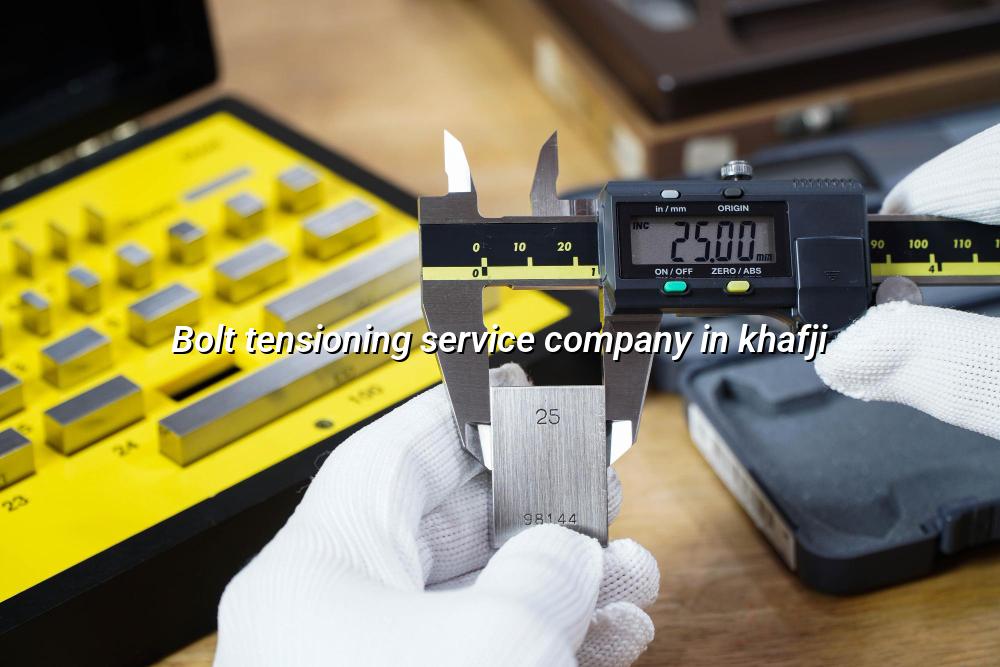
Bolt tensioning service company in Khafji projects need more than a wrench and a confident operator. They need controlled load transfer, repeatable clamping force and a team that understands flange condition, gasket choice and the realities of shutdown work in Saudi oil and gas assets.
We support maintenance teams, contractors and QA managers who want bolting done cleanly on process lines, exchangers, skids, pumps and pressure systems. In Khafji and the wider Northern Province, that usually means working fast, keeping records straight and protecting joint integrity when the stakes are high.
What a Bolt Tensioning Service Company in Khafji should deliver
The job is simple to describe and hard to do well. A bolt tensioning service company in Khafji should bring the right hydraulic tools, follow the flange make-up plan, apply the correct sequence and leave behind a joint that can hold pressure without unnecessary rework. In our experience, the trouble starts when teams skip bolt inspection, reuse damaged studs or tighten in a rushed pattern that looks fine until the line comes back online.
Where tensioning makes the biggest difference
We see the strongest need on refinery piping, cooling water systems, compressors, separators, heat exchangers and high-pressure flanged connections. Those joints do not all behave the same. A live hydrocarbon line in Khafji is not the same as a utility line on a workshop skid, and a trained bolting crew should know that before the first hose is connected.
Why field discipline matters
Good bolting is part tool selection and part housekeeping. Clean stud threads, correct lubrication, verified gasket seating and a clear tightening sequence all matter. When one of those pieces is missing, the load distribution changes and the joint can relax unevenly after start-up. That is where leaks, repeat shutdowns and angry calls begin.
- Check the joint first — confirm flange faces, studs, nuts and gasket condition before any tensioning work starts.
- Set the procedure — identify the bolt pattern, target load and tightening sequence for that specific flange.
- Apply tension in stages — load the fasteners evenly so the joint settles without twisting or local over-compression.
- Verify and record — recheck the pattern, confirm the final condition and keep the traceable work record for maintenance files.
- Use calibrated hydraulic tensioning equipment for controlled bolt load.
- Match the method to the flange size, stud grade and service conditions.
- Keep the joint clean before assembly; dirt and old lubricant cause poor seating.
- Record the work so your maintenance team can review it during the next turnaround.
Common bolt tightening methods and where they fit
| Method | Best use | Main control point |
|---|---|---|
| Hydraulic bolt tensioning | Critical flanges, pressure systems and repeatable load requirements | Uniform bolt load and accurate sequence |
| Hydraulic torqueing | General maintenance joints and site work with access limits | Torque value and lubrication condition |
| Manual tightening | Low-risk assemblies and non-critical connections | Operator consistency and final check |
| Turnaround bolting support | Shutdowns where many joints must be handled under a plan | Coordination, documentation and readiness |
How we protect flange integrity during field work
Pressure systems around Khafji often work under heat, vibration and salt-air exposure. That combination can loosen poor joints faster than people expect. We pay attention to the small things: thread condition, stud stretch, face cleanliness and whether the flange pair has been disturbed by previous maintenance. That is usually where the hidden problem sits.
What clients usually ask us to handle
Most calls are tied to leak prevention, turnaround support or a repeat issue on a joint that has already been tightened more than once. Sometimes the site needs assistance on a single flange. Other times it needs a crew to move through a line list during shutdown. Either way, the work has to fit the plant, not the other way round.
Built for oil and gas maintenance teams
Khafji operators usually want a bolting partner who understands shutdown pressure, permit control and the need to keep records tidy for the next maintenance cycle. That is the standard we work to, along with the practical use of ISO/IEC 17025:2017 controlled calibration for the tools that support the job.
Why onsite bolt tensioning works better than last-minute improvisation
Onsite work saves time when the flange cannot move and the schedule will not wait. It also lets the crew inspect the actual joint condition, which is something workshop assumptions can miss. A loose stud, a damaged face or a badly seated gasket is easier to spot when the team is standing in front of the live asset, not reading about it later in a report.
We bring mobile calibration capability and field support into the same conversation because the bolting process depends on trust in the equipment used. That matters in Saudi Arabia, and it matters just as much for Indian and Middle East clients who want traceability without moving everything back to a central shop.
- Better fit for shutdown windows and emergency maintenance.
- Reduced handling of heavy assemblies and large flanges.
- Easier inspection of real-world damage and prior repair history.
- Cleaner handover to QA, maintenance and operations teams.
How Mayon Industrial Services Can Help
We support bolting work with the same field discipline we use across calibration, mechanical services and inspection. If your team in Khafji needs controlled bolt tensioning, flange support, torqueing or related maintenance input, we can step in with practical site experience and the right equipment. We also help when the job is tied to broader shutdown work, testing or commissioning, so the handoff stays simple.
Call +91 99447 80844 (India) or +966 59 633 8012 (Saudi Arabia), email services@mayonservices.com, or message us on WhatsApp.
Frequently Asked Questions
We control the bolt load on flanged joints so the clamping force is even and predictable. That helps reduce leaks, repeat tightening and damage to gasket seating. In plant work, that usually means using hydraulic tensioning equipment, following a tightening pattern and checking the joint before handover.
Choose tensioning when the joint is critical, access is tight, or you want more controlled and repeatable bolt load. Torque tightening can still work on many jobs, but the result depends more on friction, lubrication and operator feel. On flanges where load balance matters, tensioning is usually the safer choice.
Yes, onsite support is a normal part of this kind of work. That matters during shutdowns because the flange cannot always be moved to a workshop. We can work with maintenance teams, contractors and operations staff to fit the job to the site plan.
Oil and gas work is the most common, especially around process piping, pressure equipment and maintenance shutdowns. We also see demand where there are pumps, exchangers, utilities and other flange-heavy systems that need careful joint control. The same approach can help in petrochemical and power-related maintenance too.
Yes, that pre-check is part of good bolting practice. A tensioning system cannot fix a bent flange face, damaged thread or badly seated gasket. We look at the joint condition first so the actual load work has a fair chance of succeeding.
You can call our India or Saudi Arabia numbers, send an email, or message us on WhatsApp with the flange details and site location. If you already know the shutdown date, share that too. It helps us review the job and line up the right support faster.
Ready to keep your bolted joints under control?
Send us the flange details and site schedule, and we’ll help you plan the right bolting support for Khafji work.
Contact Mayon