
Bolt Tensioning Service Company in Uqair
Controlled bolting for critical flanges, shutdown work and pressure-boundary maintenance in Saudi Arabia.
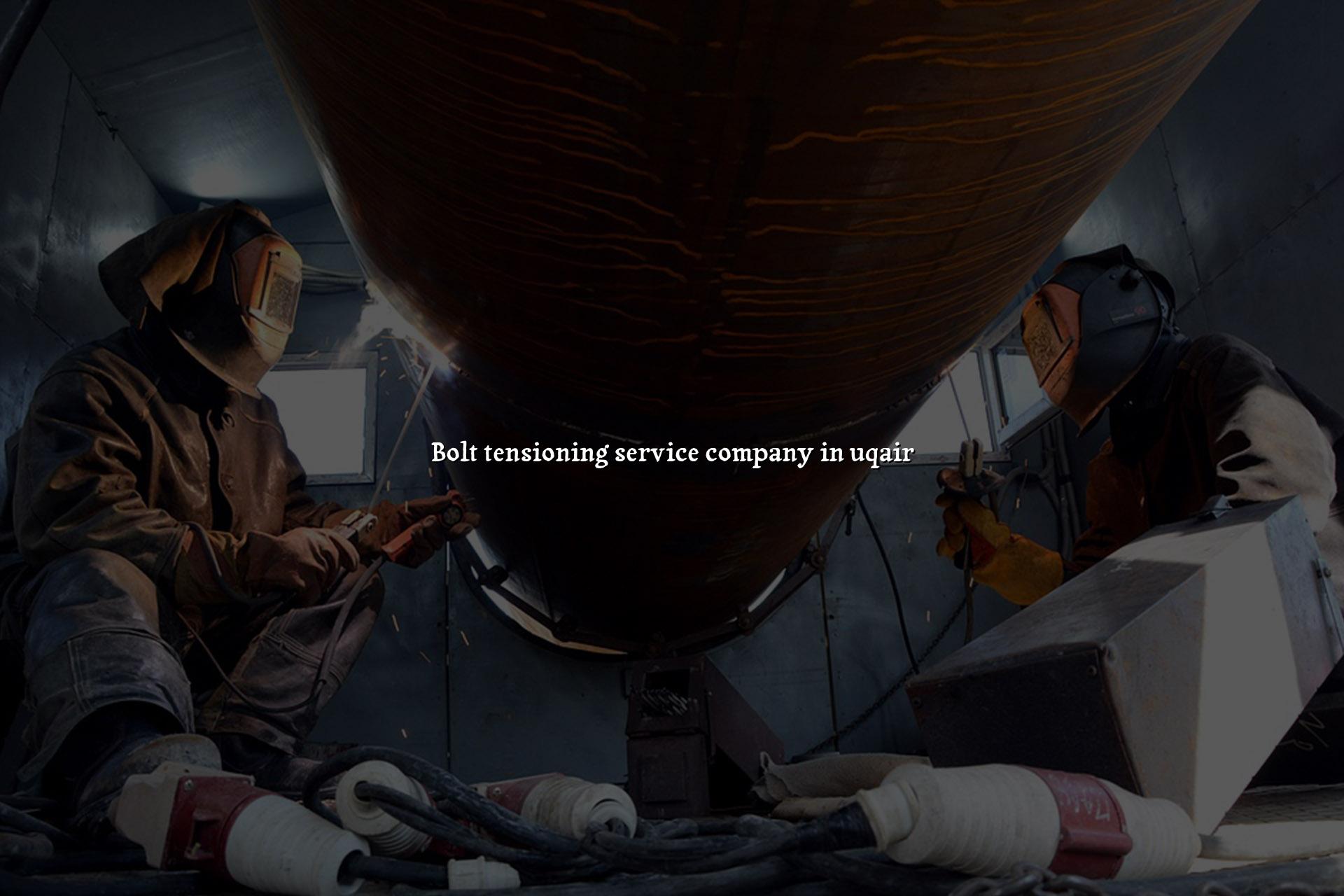
Bolt tensioning service company in Uqair is the kind of search that usually comes from a real job, not a casual browse. You need flanges closed correctly, gasket load kept even, and proof that the tightening work was controlled.
That is the job we know well. Our team supports Saudi industrial sites from Dammam Industrial City 2, and we bring the same discipline to refinery packages, utility skids, piping maintenance and shutdown work across the Eastern Province and the wider Middle East.
Bolt Tensioning Service Company in Uqair for Critical Flanges
When a maintenance crew asks for bolt tensioning, they are usually dealing with more than a loose nut. The real issue is joint integrity. If the load is uneven, the gasket can leak, the joint may relax after startup, and the same flange comes back on the next shutdown with the same complaint.
Why tensioning beats guesswork on pressure joints
Hydraulic bolt tensioning gives you repeatable load control on multi-bolt flanges, exchangers, line blinds and pressure-boundary assemblies. In our work, it is especially useful where access is tight, where controlled bolt stretch matters, or where the client wants a documented tightening pattern for QA and maintenance records. That matters on Saudi oil & gas jobs, petrochemical units and power plants where a small leak can turn into a bigger delay very quickly.
Where Uqair jobs usually need this service
We often see bolt tensioning requested during flange make-up after gasket replacement, hydrotest preparation, pump and valve maintenance, and reassembly after piping repair. Uqair itself may be coastal, but the work flow is familiar across the Eastern Province: heat, salt air, vibration, and crews under time pressure. Good tensioning helps the joint hold up when the plant returns to service.
- Check the joint first — we verify flange condition, bolt condition, gasket type and access before any tool goes on the flange.
- Plan the tightening sequence — our technicians map the bolt pattern so load is pulled down in a controlled, even way.
- Apply hydraulic tensioning — the bolts are stretched to the required load, then tightened in sequence while the joint is held under control.
- Release and recheck — after release, we inspect the joint for even seating, record the work and flag anything that needs another pass.
- Use calibrated torque and tension equipment, not improvised tightening.
- Match the method to the flange size, gasket type and service condition.
- Recheck bolt condition before reuse; damaged studs waste time later.
- Keep a tightening record for shutdown files and maintenance history.
Choosing the Right Bolting Method for the Job
| Method | Best fit | What the crew gains |
|---|---|---|
| Hydraulic bolt tensioning | Critical flanges, repeatable loading, multi-bolt joints | Even load control and a cleaner tightening record |
| Hydraulic torqueing | General bolting where access is enough for the tool | Controlled tightening with less manual effort |
| Manual tightening | Small non-critical covers and light-duty assemblies | Simple setup, but less consistency on critical joints |
| Re-torque after startup | Jobs where the client wants a second verification pass | Extra confidence after the system sees temperature and pressure |
What Good Bolt Tensioning Work Should Leave Behind
A proper tensioning job is not just about the joint closing. You should also get traceability, tool discipline and clear handover notes that the maintenance team can keep. That is where ISO/IEC 17025:2017 thinking helps, because calibrated tools and recorded checks matter when a site wants control, not guesswork.
Records make the difference on shutdowns
On turnaround work, supervisors want to know which flange was done, what method was used, and whether the bolts were checked before and after. That is normal. It helps during inspection, helps when the job is reviewed later, and helps if a joint has to be opened again for another maintenance stage.
Built for industrial sites, not workshop guesswork
We work around live plant needs, shutdown windows and tight mechanical access. Our crews understand flange work, hydrotesting support, bolt torquing, cold cutting and related mechanical services, so the bolting job fits the jobsite rather than slowing it down.
Onsite Bolt Tensioning in Uqair and Nearby Saudi Industrial Areas
Sites in Saudi Arabia often want a team that can come to the plant with the right kit and get moving without a lot of back-and-forth. That is where our mobile service model helps. We support onsite work from our Saudi operation in Dammam Industrial City 2, and we also handle jobs that need coordinated pressure testing, inspection or flange preparation.
Good fit for maintenance and shutdown teams
If your crew is dealing with a flange leak, a gasket replacement or a pressure-boundary assembly that has to be closed correctly the first time, a specialist bolting team saves time. In practice, it reduces rework. That is usually what the site manager is trying to avoid.
We come prepared
Our mobile capability supports field work where the client needs controlled bolting, documentation and practical coordination with mechanical, inspection or testing crews. For special conditions, instruments can also be handled through our lab and pick-up or delivery workflow.
How Mayon Industrial Services Can Help
If you need a bolt tensioning service company in Uqair, we can support the bolting work as part of a wider maintenance plan. Our team also handles calibration, inspection, mechanical services, hydrotesting support and related field tasks, so the job can stay under one industrial partner instead of being split across too many vendors. That usually makes shutdown coordination easier.
Call +91 99447 80844 (India) or +966 59 633 8012 (Saudi Arabia), email services@mayonservices.com, or message us on WhatsApp.
Frequently Asked Questions
Yes, industrial sites usually need a specialist crew that knows flange joint control, not just a general mechanic. We handle bolt tensioning for plant maintenance, shutdowns and pressure-boundary work, with an approach that suits Saudi oil & gas and utility sites.
Use hydraulic tensioning when the flange is critical, the bolt load needs to be even, or the client wants a more controlled tightening record. Manual tightening can work for lighter jobs, but it is not the right choice when joint integrity matters and the flange will see pressure or heat.
Yes, that is a common use case. We often get called when a site needs flanges closed properly after gasket replacement, line repair, hydrotest prep or equipment maintenance. The bolting work can be coordinated with other mechanical and inspection tasks.
Yes. Our Saudi operation works from Dammam Industrial City 2, and we support onsite industrial jobs across the region. That setup helps when the client wants field work rather than sending parts around between vendors.
Ask for the flange reference, the method used, the bolt pattern or sequence, and any note about follow-up inspection. On industrial sites, a clean record helps maintenance, QA and shutdown review teams track what was done and why.
Need the flange tightened the right way?
If your Uqair job needs controlled bolt tensioning, talk to us and we’ll help you plan the work with the right industrial support around it.
Contact Mayon