
Bolt Torquing Service Company in Hawiyah
Field bolt tightening, tensioning and flange work for oil and gas assets that need dependable joint integrity.
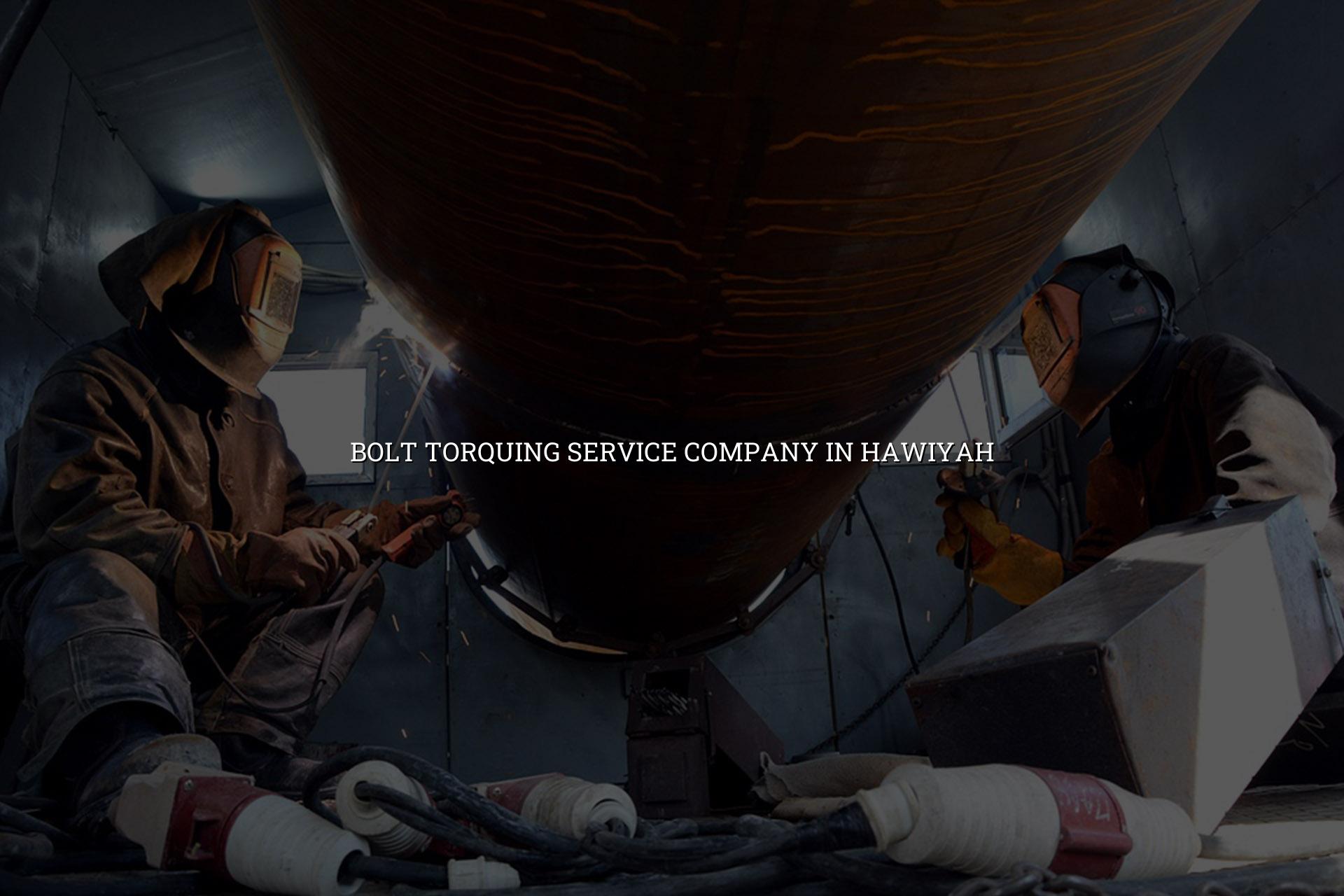
Bolt torquing service company in Hawiyah searches usually come from maintenance teams that need one thing done right: clamped joints that stay put under heat, vibration and pressure. We help you control bolt load, protect flanges and keep the job documented so your crew can move forward with confidence.
In Hawiyah and the wider Eastern Province, that often means oil and gas piping, compressor skids, hydrotest packages, valve stations and shutdown work where one loose connection can turn into a bigger headache. Our team works with field tools, torque procedures and inspection discipline that fit real plant conditions, not a classroom example.
Bolt Torquing Service Company in Hawiyah for Field Work That Holds
We handle bolt torquing and bolt tensioning for flanges, covers, exchangers, pump sets and related process equipment where even pressure distribution matters. The goal is simple: achieve the specified load, keep the joint pattern even, and avoid the usual problems that show up later, like gasket creep, bolt stretch mismatch or flange leak paths.
Where this service matters most
Most of the calls we get in Saudi Arabia are tied to maintenance shutdowns, piping tie-ins, equipment installation or post-repair reassembly. Hawiyah jobs often sit inside oil and gas operations, so crews want neat records, clear tool control and technicians who understand the difference between tightening a bolt and building a dependable bolted joint.
Why field teams ask for torquing, not guesswork
Hand tightening may get parts together, but it does not tell you much about clamp load. A controlled bolt torquing service gives your maintenance lead a repeatable method, and that helps when the work involves critical lines, pressure equipment or joint restoration after a flange face repair. We also pay attention to bolt condition, thread engagement and the tightening sequence, because those details decide how the joint behaves after start-up.
- Review the joint first — we check the flange type, gasket condition, bolt size, accessibility and the work pack before a wrench comes out.
- Set the tightening plan — the team confirms the pattern, the target torque or tension method, and the order of passes so the load comes in evenly.
- Prepare the hardware — bolts, nuts and mating surfaces are checked for damage, rust, poor thread fit or contamination that could skew the result.
- Apply torque in controlled stages — we work through the sequence, recheck the pattern and verify the final condition before handover.
- Record the job properly — your supervisor gets a traceable field record that shows what was done and on which joint group.
- Use torquing on joints where uneven load can damage a gasket or distort the flange face.
- Ask for a consistent bolt pattern on every pass; that matters more than speed.
- Keep spare studs, nuts and washers ready for worn or damaged fasteners.
- Use a calibrated tool set so the work is tied to a known condition, not a rough estimate.
- Plan access around piping, insulation and guarding before the crew arrives onsite.
Torque and Tension Methods Used on Hawiyah Jobs
| Method | Typical Use | What the Crew Looks For |
|---|---|---|
| Manual torque wrench | Smaller flanges and routine maintenance joints | Even pass sequence, correct tool setting, clear access |
| Hydraulic torquing | Heavier bolted joints and tighter field constraints | Controlled load application and repeatable tightening |
| Bolt tensioning | Critical flanged joints needing direct preload control | Uniform stretch and reduced scatter across the bolt set |
| Final inspection check | Before handover on shutdown and turnaround work | Pattern verification, hardware check and job record review |
What Good Bolt Torquing Changes On Site
A proper tightening job does more than stop leaks. It helps your maintenance team reduce rework, protects flange faces from uneven loading and makes the next outage easier because the hardware was installed with discipline the first time. In our experience, the joints that are documented carefully are the ones people trust later when the line comes back into service.
Why this fits Saudi industrial work
Saudi plants often run under high ambient heat, vibration and heavy production demand, so poor joint control can show up fast. That is why teams in Hawiyah, Dammam and nearby industrial areas ask for a service company that understands plant access, permits, shutdown sequencing and the value of a clean handover record.
Built for pressure equipment and piping
We support bolted joints tied to process lines, exchangers, skids, pumps, valve assemblies and other assets where load control matters. That includes work that sits alongside flange facing, hydrotesting, testing and commissioning, and general mechanical maintenance.
How We Approach Bolt Torquing Work in Hawiyah
Every job starts with the job scope, because a torque wrench setting by itself does not solve a bad preparation issue. We look at the joint design, note any corrosion or previous leakage marks, confirm the tightening order and then work through the sequence in a way that respects the equipment and the production schedule.
For larger maintenance packages, we often coordinate with mechanical teams who are already handling flange work, hydrotesting, cold cutting or commissioning support. That matters in Hawiyah and across the Middle East, where shutdown time is often tied to several trades working around the same asset.
When the application calls for stronger load control, bolt tensioning can be the better choice. When access is tighter or the flange size is smaller, controlled torque is usually the right fit. The point is not to force one method on every joint; the point is to choose the method that matches the equipment, the risk and the site conditions.
We also keep the paperwork practical. Your supervisor needs to know which joints were worked on, what method was used and how the job ended. That is the level of detail that helps QA, maintenance and procurement teams feel comfortable signing off.
How Mayon Industrial Services Can Help
Mayon Industrial Services supports bolt torquing, bolt tensioning, flange work and related mechanical services for industrial sites in Saudi Arabia and the Middle East. If your Hawiyah job also needs calibration support, inspection, testing and commissioning, or mechanical repair, we can coordinate the work so your team isn't juggling three vendors for one shutdown. You get a single industrial partner who understands field conditions and the way plant work really gets done.
Call +91 99447 80844 (India) or +966 59 633 8012 (Saudi Arabia), email services@mayonservices.com, or message us on WhatsApp.
Frequently Asked Questions
Mayon Industrial Services supports bolt torquing and related mechanical work for industrial clients in Saudi Arabia, including Hawiyah-area projects. We work with field joints on piping, equipment skids and maintenance packages where controlled tightening is needed. The focus is on proper sequence, clean hardware and a record your site team can use.
Bolt torquing applies a controlled turning force to the fastener, while bolt tensioning aims to stretch the bolt and create preload more directly. Which one you use depends on the joint, access and the service conditions. On site, we choose the method that fits the equipment instead of forcing one approach everywhere.
Yes. That is one of the most common reasons teams call us. We can fit into shutdown plans, coordinate with mechanical crews and work on flanges, covers and equipment that need controlled reassembly before handover.
Yes, and that is often the better way to handle plant work. We regularly support flange work, hydrotesting, cold cutting, flange facing, testing and commissioning, and related maintenance tasks. That keeps the job sequence clear for your site team.
We start with joint inspection, then follow the planned sequence and check the hardware before final handover. The job is treated as a controlled field process, not a quick spin on the wrench. That approach helps reduce uneven loading and makes the result easier to trust later.
Yes. We serve industrial clients across Saudi Arabia and the wider Middle East, with work that also connects to India-based coordination when needed. If your project is in another industrial area, send the scope through and we can review it with you.
What to Check Before You Release the Joint
Before the system goes back into service, the crew should confirm the bolt pattern, inspect for visible mismatch, and make sure no fastener has been missed in the sequence. If the joint is part of a larger pressure system, the final check should sit alongside the rest of the mechanical completion steps so nothing gets overlooked during the rush to hand over.
Keep the record simple
A short, clear job record is usually enough: what was tightened, where it was tightened, which method was used and who signed it off. That kind of record helps plant personnel, especially when the same asset comes back for maintenance later in the year.
Good bolt work is visible later
When a joint is prepared well, tightened correctly and checked properly, the difference shows up in cleaner shutdowns, fewer rework calls and better confidence from operations. That is the kind of result maintenance managers in Hawiyah usually want, and it is the standard we work to.
Need bolt torquing you can trust on a live industrial site?
Send us the joint details, and we’ll help you plan the right field method for your Hawiyah work.
Contact Mayon