
Bolt Torquing Service Company in Taif
Controlled bolt tightening for flanges, skids and process equipment serving Taif and nearby industrial sites.
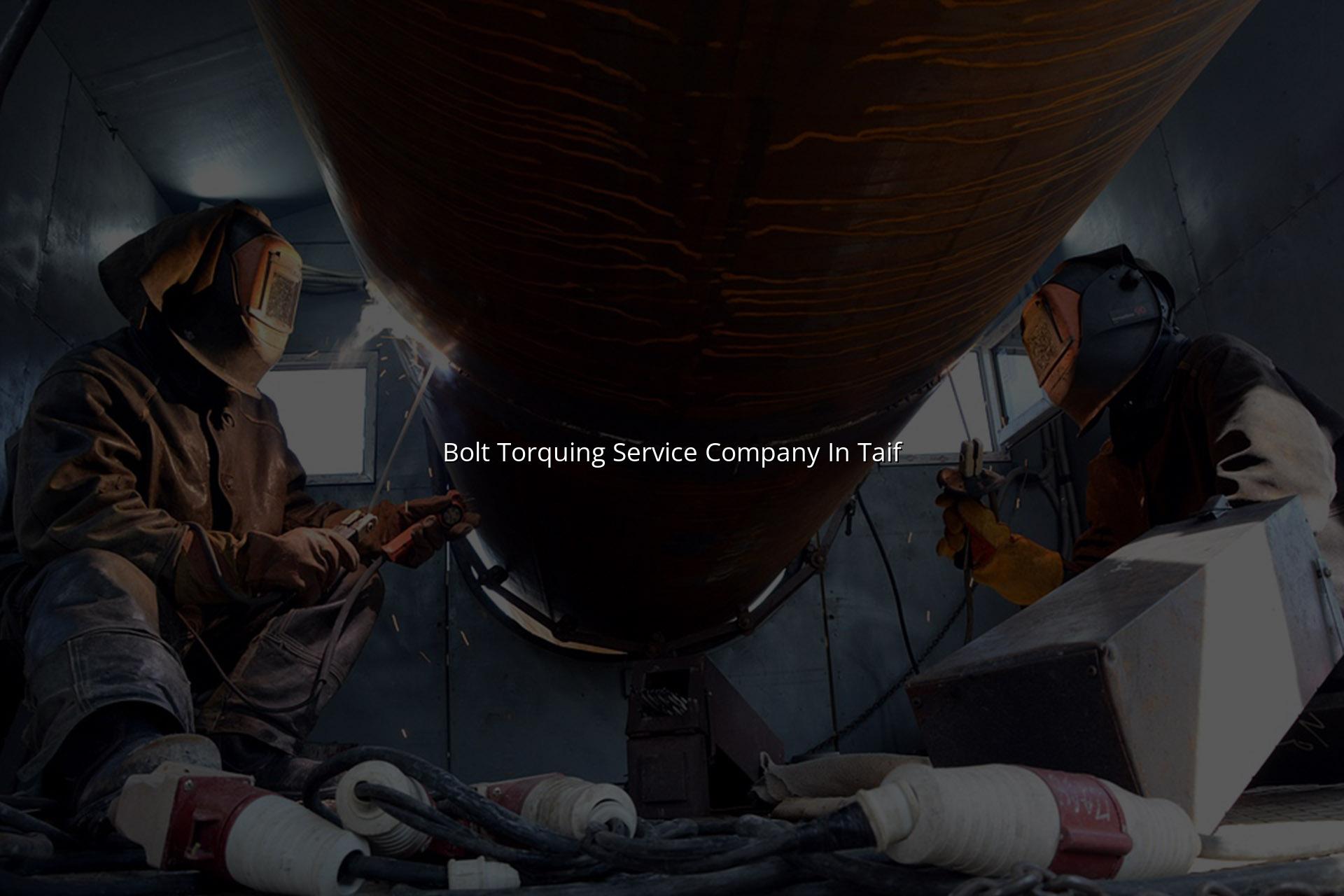
Bolt torquing service company in Taif is what people usually search for when a flange starts leaking, a skid needs controlled assembly or maintenance wants proof the joint was tightened correctly. We help you bring that work back under control, with the right tools, the right sequence and a record you can hand to QA, operations or your client.
In Taif, and across Saudi industrial work, the details matter. A few poorly tightened bolts can turn into vibration, gasket damage or shutdown stress. Our team works with maintenance crews, EPC contractors and plant operators who need disciplined bolt tightening on process lines, utility systems, pumps and fabricated assemblies, with the same practical mindset we use on wider mechanical and calibration jobs across the Kingdom and the Middle East.
Bolt Torquing Service Company in Taif for Flanges and Equipment Joints
When a customer calls for bolt torquing, they rarely mean “tighten these bolts harder.” They mean predictable clamping force, even load distribution and a joint that stays stable after startup, heat cycles and vibration. That matters on pipe flanges, heat exchangers, rotating equipment bases, pressure skids and any assembly where uneven tightening can distort the joint or damage the gasket. For Taif sites, where mechanical teams often work around scheduled shutdowns and tight access, a disciplined torque method saves a lot of rework.
Where proper torque work makes the biggest difference
We see the biggest benefit on flanged piping, pump bases, hydrotest assemblies, skid-mounted equipment and maintenance work after gasket replacement. In our experience, the issue is usually not the bolt itself. It is the process around it: dirty threads, wrong sequence, no lubrication control, or a torque wrench used without checking calibration status. We keep the work practical. Clean the joint, inspect the hardware, tighten in stages and document what was done.
What you should expect from a serious service team
A proper bolt torquing job should never feel casual. You want the technician to know the bolt pattern, understand the flange class or equipment arrangement, use calibrated tools and follow a repeatable sequence. If the site has hot-service lines, vibration-prone equipment or critical utility systems, the technician should slow down and confirm the joint condition before applying final torque. That is the difference between a quick tightening job and work that actually supports plant reliability.
- Inspect the joint first — check flange faces, gasket condition, bolt threads and nut seating before any torque is applied.
- Prepare the hardware properly — clean threads, confirm lubrication practice and make sure the wrench range suits the required load.
- Tighten in stages — use a cross pattern or approved sequence so the load comes in evenly across the bolt circle.
- Verify the final pass — recheck the set points, look for movement and record the values for QA or maintenance files.
- Use calibrated torque tools matched to the job range
- Keep the tightening sequence consistent from first pass to final pass
- Confirm bolt condition before reuse, especially after corrosion exposure
- Record the joint details for shutdown files and handover packs
- Plan access early for cramped pipe racks and skids
Torque Methods and Where They Fit Best
| Method | Best Use | Field Notes |
|---|---|---|
| Manual torque wrench | Routine flange and equipment tightening | Good for controlled work when access is clear and the bolt pattern is simple. |
| Hydraulic torque tool | Large studs and heavy-duty joints | Useful where higher, more even load is needed and site conditions allow the setup. |
| Tensioning system | Critical bolted joints | Preferred on sensitive applications where a more uniform clamping approach is required. |
| Torque verification | QA checks and handover | Confirms the joint was set using the agreed procedure and gives maintenance a reference point. |
Why Bolt Torque Quality Affects Plant Safety and Uptime
Uneven torquing can cause more trouble than many teams expect. A flange may look fine on the outside, then start weeping after temperature change. A pump base may hold during the test run, then loosen when vibration settles in. That is why maintenance managers ask for method, not just manpower. They need the joint to stay stable after the team has left the site.
Common site mistakes we keep seeing
Wrong tightening order is still one of the biggest problems. So is using a tool that has not been checked against a known reference. Another one is mixing old bolts with new nuts and assuming the joint will behave the same. For plants in Taif, or anywhere a shutdown window is short, those shortcuts usually come back as a second job. No one wants that.
Built for shutdown work and field maintenance
Our bolt torquing support fits planned maintenance, corrective work and pre-commissioning checks on flanged systems, skids and mechanical packages. We keep the process orderly, document the values and coordinate around site access, isolation and handover needs.
What Our Taif Bolt Torquing Work Usually Includes
We start with the hardware in front of us, not a theory on paper. That means identifying the joint type, checking for damaged studs or threads and confirming whether the work is part of a repair, installation or commissioning task. If the flange or assembly needs alignment first, we say so plainly.
From there, we apply the agreed tightening pattern and keep the work traceable. In many industrial sites, especially across oil & gas, petrochemical, power and manufacturing, traceability is not extra paperwork. It is part of the job. The same mindset applies when our team supports thermal, mechanical and inspection work in the region.
When needed, we can coordinate the torquing job with related mechanical services such as flange facing, hydrotesting, cold cutting or testing and commissioning. That helps your team avoid calling multiple vendors for one maintenance window. It also keeps responsibility clearer on site.
How Mayon Industrial Services Can Help
If you need bolt torquing in Taif, we can support it as part of a wider mechanical job or as a stand-alone field service. Our team works with controlled tightening, flange-related maintenance and site coordination, and we bring the same disciplined approach we use in calibration, inspection, orbital welding and mechanical work. If your job needs order, documentation and a practical site crew, start with us.
Call +91 99447 80844 (India) or +966 59 633 8012 (Saudi Arabia), email services@mayonservices.com, or message us on WhatsApp.
Frequently Asked Questions
We do, for industrial sites that need controlled tightening and clear field coordination. The usual jobs are flanges, skids, pumps and maintenance assemblies where the joint condition matters more than speed. If the work is part of a shutdown, we can help organize it around the site plan.
If the issue is loose hardware, uneven tightening or a recent gasket replacement, torquing may be the right job. If the flange face is damaged, the studs are worn or the joint keeps leaking after rework, then you likely need inspection or mechanical repair too. We look at the joint first and tell you what makes sense.
Yes. We support planned maintenance and shutdown work in Saudi Arabia, including Taif and other industrial locations where timing and access need to be managed carefully. We can coordinate the bolt work with related mechanical tasks so your team is not juggling too many vendors.
Ask for the joint details, the work scope, the tightening method used and the final torque values or verification notes. That gives maintenance and QA a practical reference for the next turnaround. If the job is tied to a larger mechanical package, keep those records with the job handover file.
Yes, we do. Our team also supports flange work, hydrotesting, cold cutting, testing and commissioning, plus other mechanical services that often sit around the same maintenance window. That keeps the work better organized and easier to hand over.
Ready to secure your bolted joints the right way?
If your Taif site needs controlled torque work, speak with our team and get the job planned with less guesswork and better traceability.
Contact Mayon