
Bolt Torquing Service Company in Uthmaniya
Controlled bolt loading for flanges, skids and critical equipment in Uthmaniya and nearby industrial zones.
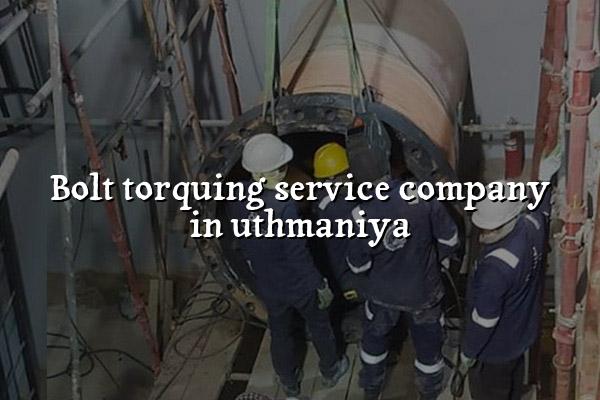
Bolt torquing service company in Uthmaniya is the kind of search people make when a flange has to hold pressure, stay aligned and pass inspection without arguments. We handle that work with controlled tightening, traceable methods and field discipline that fits refinery, power and process plant environments.
From Uthmaniya and the wider Eastern Province industrial belt, we support shutdown crews, maintenance teams and contractors who need bolt preload set properly the first time. Our team works with hydraulic torquing, tensioning, bolt sequence planning and flange-facing checks so you’re not left guessing after assembly.
What a Bolt Torquing Service Company in Uthmaniya Should Actually Deliver
Good torquing is not just “tight enough.” In real plant work, the joint has to match the gasket, the flange condition, the bolt grade and the assembly sequence. If one of those is off, you can see leaks, uneven seating or repeat maintenance during the next outage. We see it often on pipe spools, separators, heat exchangers and utility lines where access is awkward and the margin for error is small.
Why controlled torque matters
For bolted joints in oil and gas, petrochemical and power facilities, the goal is even load distribution. That starts with clean mating faces, checked studs and nuts, the right lubricant condition and a tightening pattern that follows the joint design. A proper service also records the tool used, the torque value or hydraulic pressure applied and the final joint status, because maintenance teams in Saudi Arabia usually need that history for shutdown files and handover records.
Where hydraulic tools make the difference
Hydraulic torque wrenches and tensioning systems are useful when the joint size is large, access is tight or repeatability matters more than muscle. We use them where manual methods can create uneven loading, especially on critical flanged connections, compressor trains and skid-mounted equipment. On site, that saves time and reduces rework, which matters when the crew window is short and the line has to return to service cleanly.
- Inspect the joint first — we check flange faces, studs, nuts, lubrication condition and visible damage before any tightening starts.
- Select the method — torque tightening, hydraulic torque or tensioning is chosen based on joint size, access and criticality.
- Follow the sequence — the bolt pattern is tightened in stages so the load spreads evenly across the flange.
- Verify and record — final values, tool details and joint observations are documented for maintenance and QA teams.
- Helps reduce uneven gasket compression on pressure joints
- Supports shutdown, turnaround and commissioning work
- Fits refinery, utilities, marine and heavy fabrication sites
- Can be paired with flange facing and hydrotesting when needed
Common Bolting Methods Used for Industrial Flanges
| Method | Typical Use | Key Benefit |
|---|---|---|
| Manual torque wrench | Smaller joints, routine maintenance and non-complex assemblies | Simple setup and useful where access is clear |
| Hydraulic torque wrench | Large flanges, critical process lines and shutdown work | Higher control and better repeatability |
| Hydraulic tensioning | High-integrity joints and applications needing direct bolt load control | Even loading across the full bolt set |
| Patterned multi-stage tightening | Most flanged assemblies after inspection and alignment checks | Reduces distortion and helps seat the gasket evenly |
How We Keep the Work Controlled on Site
Most bolting problems start before the wrench even goes on the nut. A joint that has dirt on the flange face, mixed hardware or a damaged stud can look fine from a distance and still fail under load. We slow the job down at the start, because that’s where the fix is easiest and the cost is lowest.
What our team checks before tightening
We look at joint readiness, tool condition, access space and the tightening pattern agreed with the job owner. If the work is part of a piping repair, equipment hook-up or hydrotest preparation, we coordinate the bolting step with the wider mechanical plan so crews aren’t working at cross purposes. That kind of handoff matters in Uthmaniya projects where multiple contractors may be active on the same asset.
Useful for shutdown teams
We’re often called during turnaround windows when a flange has already been opened and the crew wants a clean close-out. That’s when method, sequence and documentation matter most. A rushed final pass can cost more than the original repair, so the work has to be steady and visible to the supervisor.
Practical Things to Confirm Before You Book Bolting Work
When a client in Saudi Arabia asks us for bolting support, we usually begin with a few straight questions: what size are the flanges, what’s the joint service, who owns the shutdown and what access restrictions are in place? That saves time on mobilization and avoids bringing the wrong tooling. It also helps us decide whether the job needs torque, tensioning or a combination with flange-facing and leak-prevention checks.
For Uthmaniya facilities, the big issue is often coordination. Lines may sit in live process areas, so the crew has to work around permits, lifting paths and nearby equipment. We’re used to that pace, and we keep the bolting job tied to the actual plant conditions instead of treating every joint the same.
- Confirm bolt size, grade and joint class before mobilization
- Share the flange standard, gasket type and service condition
- Make space for tool access and safe hose routing
- Align the bolting plan with inspection or hydrotest requirements
Bolting, Flange Work and Commissioning Support in One Visit
Sometimes bolting is only one part of the problem. If the flange face is damaged, the pipe line is not seated properly or the assembly needs pressure verification, we can support the wider mechanical scope too. That includes hydrotesting, flange facing, cold cutting, bolt tensioning and testing & commissioning work where the project needs a single team that understands the job from start to finish.
We also work around condition monitoring and electrical testing scopes on larger assets, so your maintenance plan stays in one place instead of being split between too many vendors. That is helpful on oil and gas sites, power plants and manufacturing units where every handover adds risk.
When to ask for a broader scope
If the bolted joint keeps leaking, if there’s visible face damage, or if the assembly is part of a critical line that needs documentation, ask for an assessment before the next tightening cycle. A short inspection can save a long repeat outage.
Built for industrial maintenance teams
We support facilities across India, Saudi Arabia and the Middle East, using onsite service, mobile tools and practical job planning. The aim is simple: get the joint closed correctly, keep the plant safe and reduce the chance of repeat work.
How Mayon Industrial Services Can Help
If you need a bolt torquing service company in Uthmaniya, we can support the job with onsite torque work, hydraulic tightening, tensioning and the related mechanical checks that keep a flange joint honest. Our team also handles inspection, hydrotesting support, flange-facing work and commissioning tasks, so the same crew can stay with the job when the scope grows.
We work from Saudi Arabia through Dammam Industrial City 2 and support Indian and Middle East clients who need field-ready industrial service, not guesswork. Call +91 99447 80844 (India) or +966 59 633 8012 (Saudi Arabia), email services@mayonservices.com, or message us on WhatsApp.
Frequently Asked Questions
We do, with onsite bolting support for flanged joints, equipment connections and shutdown work. The service is set up for oil, petrochemical and utility sites where controlled tightening and proper sequence matter.
Hydraulic torque is usually a better fit for larger flanges, critical joints and jobs where repeatability matters. It also helps when access is tight and the crew needs a more controlled application than hand tools can give.
Yes. That’s one of the most common reasons teams call us. We work with maintenance schedules, permit windows and related mechanical scopes so the bolting step fits the outage plan rather than slowing it down.
Yes, we look at the joint condition first. If the face is damaged, dirty or not aligned properly, tightening alone won’t solve the issue, so we flag that before the final bolting pass.
Yes, we can cover those related scopes when the job calls for it. That helps reduce coordination gaps between vendors and keeps the mechanical sequence more controlled on site.
We serve clients in Saudi Arabia, India and the wider Middle East. For Saudi projects, our work is coordinated through Dammam Industrial City 2, while our India head office is in Medavakkam, Chennai.
Ready to get the joint tightened properly?
If the flange has to stay sealed, aligned and ready for service, we’re set up to help with the bolting work and the related mechanical checks.
Contact Mayon