
Bolt Torquing Service Company in Qassim
Controlled bolt tightening for plants, shutdowns and new installations in Qassim, Saudi Arabia, with documented torque checks and onsite crews.
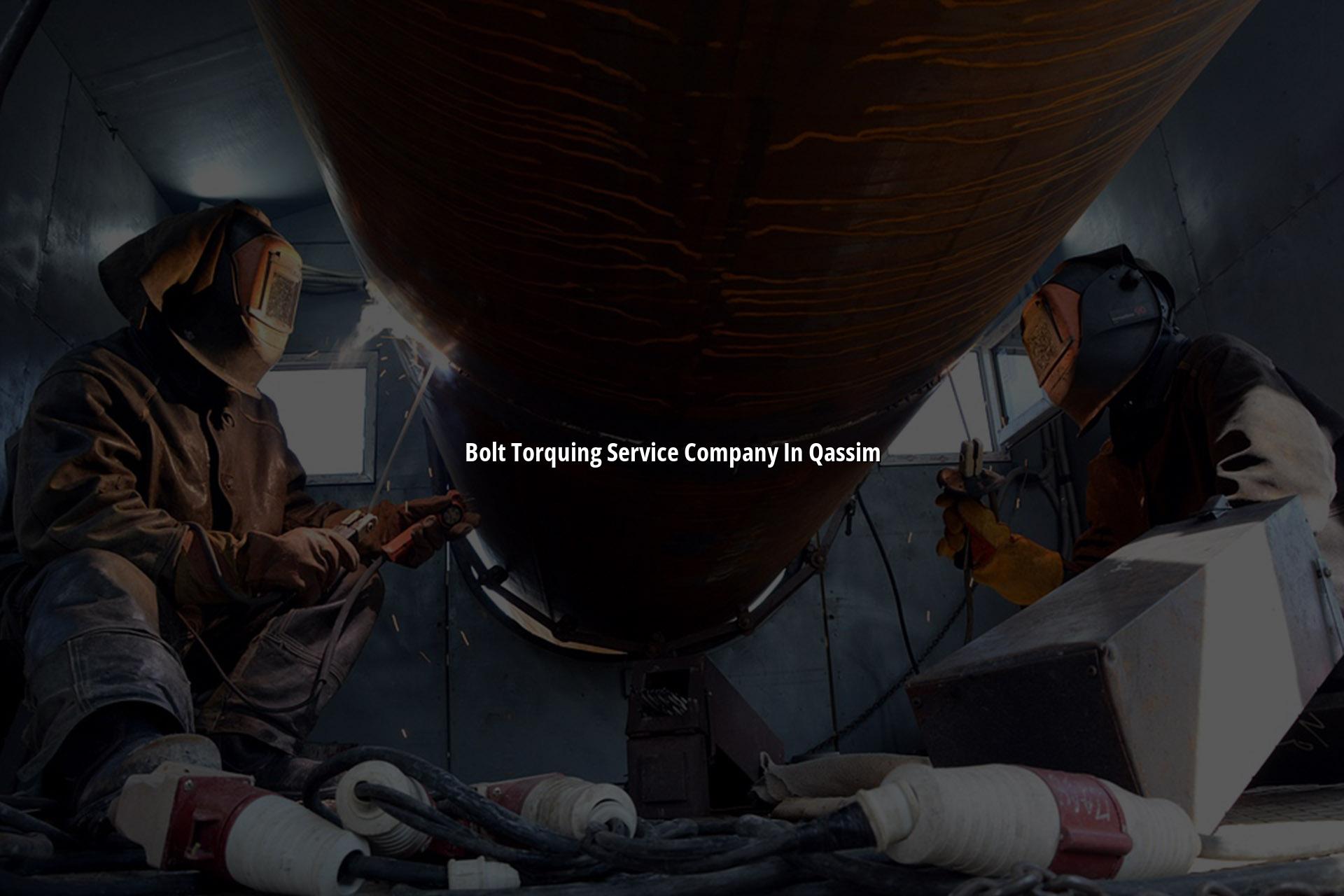
Bolt torquing service company in Qassim is exactly what you need when flange joints, structural connections or rotating equipment can’t be left to guesswork. We help you tighten the right bolts to the right load, with the kind of control maintenance teams need before start-up, after shutdown work or during inspection close-out.
Our crews work across Saudi Arabia from Dammam and support industrial clients in Qassim, including plants that need documented tightening, onsite mobilisation and practical coordination with QA and shutdown teams. We bring the same disciplined approach we use for calibration and inspection work: clear procedures, traceable tools and a job done without drama.
Bolt Torquing Service Company in Qassim for Industrial Joints
In our line of work, loose bolts are only part of the problem. Uneven loading, wrong tightening sequence, dirty threads and poor access can all leave a joint looking complete while it is still under stress. That shows up later as leakage, vibration, gasket failure or distortion around flanges and machine bases, and it usually appears at the worst possible time.
Where bolt torquing is used most
We’re asked to support flange joints on piping systems, pump skids, compressors, heat exchangers, process equipment, structural assemblies and maintenance work where joint integrity matters. In Qassim, that often means food, manufacturing, utilities and plant maintenance work, where one bad joint can stop a line or create a clean-up job nobody wanted.
How we approach the job
We don’t treat torque like a number scribbled on a pad. The job starts with the joint condition, the fastener size, the access around the flange and the method needed for the equipment in front of us. If the situation calls for bolt tensioning, staged tightening or a defined sequence across a pattern, we plan it that way so the load spreads evenly and the joint settles properly.
- Inspect the joint first — we check the flange faces, bolt condition, gasket position and any signs of damage or contamination.
- Select the correct sequence — the tightening pattern is set to reduce distortion and help the load build evenly across the joint.
- Apply tightening in stages — we use a controlled approach so the fasteners settle gradually instead of being shocked into place.
- Verify and record — the final checks and job notes help your team keep a clear maintenance record for handover or shutdown close-out.
- Use calibrated torque tools for repeatable tightening on critical joints.
- Confirm bolt size, thread condition and lubrication before the first pass.
- Match the method to the joint: torque, tensioning or a combined sequence if the job needs it.
- Keep the work aligned with shutdown planning so other trades don’t disturb the joint after final tightening.
Torque, tensioning and why the method changes the result
| Method | Best used for | Typical field note |
|---|---|---|
| Manual torque tightening | General flange and equipment joints | Good for controlled tightening when access is clear and the sequence is followed carefully. |
| Hydraulic bolt tensioning | Critical flanges and high-load joints | Useful when even preload matters and the joint needs a more consistent load pattern. |
| Staged re-torquing | New gaskets and freshly assembled joints | Helpful after initial settling, especially where the joint may relax after first load-up. |
| Pattern tightening checks | Multi-bolt flanges and covers | Reduces distortion by keeping the load balanced across the full bolt circle. |
What good bolt torquing changes on site
When tightening is done properly, the joint behaves better under heat, vibration and pressure cycling. That matters on pumps, compressors, flanged pipework and skids, especially in plants where a small leak becomes a bigger shutdown problem if nobody catches it early. We’ve seen many cases where the real issue was not the gasket or flange itself, but uneven tightening from the first round of maintenance.
Why Qassim teams ask for a field crew
Most teams don’t want a lecture. They want the joint made right, documented and ready for the next step of the job. Onsite support saves time when equipment is fixed in place, when the flange is inside a tight bay or when the maintenance window is too short to keep moving hardware back and forth. That’s where a bolt torquing service company in Qassim needs to be practical, not theoretical.
Built for shutdowns, startups and repairs
We support brownfield maintenance, line stoppages, equipment replacement and final checks after mechanical repair. If your job also needs flange work, hydrotesting, mechanical support or calibration of related instruments, we can coordinate the work around one site visit.
What we bring to a bolt tightening job in Saudi Arabia
Mobilisation
Our Saudi Arabia team works from Dammam Industrial City 2 and supports sites in Qassim with a mobile, field-ready setup. That helps when the work is inside a plant, workshop or shutdown zone where the equipment cannot be moved.
Control
We use calibrated tools and disciplined sequences so the tightening work is repeatable. That matters when a supervisor, client inspector or maintenance engineer needs confidence before the system is handed back.
Records
Clear job notes help your team keep track of which joints were tightened, inspected or revisited. In busy shutdowns, that simple paperwork often saves time during final review.
How Mayon Industrial Services Can Help
If you need a bolt torquing service company in Qassim, we can support the job with onsite tightening, flange work, mechanical support and the calibration discipline that keeps field work traceable. Our team also helps with related inspection, hydrotesting, commissioning and repair work, so you’re not coordinating five different vendors for one shutdown. Tell us what the joint looks like, where it sits and how much access you have, and we’ll help you plan the work.
Call +91 99447 80844 (India) or +966 59 633 8012 (Saudi Arabia), email services@mayonservices.com, or message us on WhatsApp.
Frequently Asked Questions
We tighten bolts on flanges, equipment and structural joints using a controlled method instead of a hand-tight guess. The aim is even load, proper sequence and a joint that stays stable after the equipment goes back into service. For plants in Qassim, that often means work around pumps, piping runs, skids and maintenance shutdowns.
Yes. Our Saudi Arabia support runs through Dammam Industrial City 2, and we mobilise to Qassim for field jobs that need onsite tightening. That works well when equipment can’t be moved, when access is limited or when the client wants the joint handled inside the shutdown window.
It depends on the joint, the load, the access and the equipment owner’s requirements. Torque tightening works well on many standard joints, while bolt tensioning is often preferred where very even preload is needed. We look at the job conditions first so the method fits the application instead of forcing one method everywhere.
Yes, and that’s usually the cleaner way to manage the job. We can combine bolt torquing with flange work, hydrotesting, mechanical repairs and testing-and-commissioning support so the same team helps carry the job through. It cuts down on handover gaps and keeps the work sequence easier to control.
We see demand from manufacturing, utilities, food, cold-chain facilities, construction and process plants, plus oil, gas and petrochemical work connected to wider Saudi operations. Any site with bolted joints that affect pressure, vibration or safety can benefit from controlled tightening.
Ready to put the right torque on the joint?
If you need reliable field tightening in Qassim, get Mayon involved early so the sequence, tools and handover are sorted before the crew starts.
Contact Mayon