
Bolt Torquing Service Company in Neom
Controlled bolt tightening for assemblies that need repeatable clamping load, clean records and careful onsite execution.
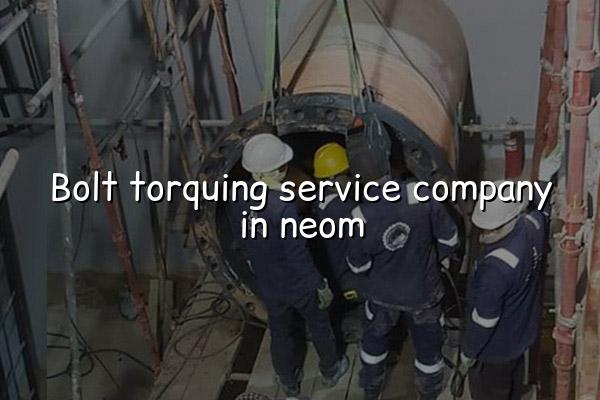
Bolt torquing service company in Neom searches usually come from teams that need proper flange make-up, traceable tightening records and less guesswork on site. That is exactly where we help: controlled bolting for critical assemblies, done with the right method and the right checks.
Our work supports shutdowns, new installations and maintenance packages where the joint has to hold under pressure, vibration or thermal cycling. In Saudi Arabia and across the Middle East, that usually means disciplined site work, clean documentation and a crew that understands how much a badly tightened bolt can cost later.
Bolt Torquing Service Company in Neom for Critical Flange Work
In Neom-style construction and industrial packages, bolted joints rarely fail because the drawing was wrong. They fail because the tightening method was rushed, uneven or not checked. We handle bolt torquing, bolt tensioning and related flange work for equipment and piping where controlled clamping load matters, especially on units tied to oil & gas, power, utilities, cold-chain support and heavy process systems.
What proper torquing changes on site
A good bolting job is not just about reaching a number on a wrench. It is about sequence, surface condition, lubrication, tool selection and the final pattern used across the flange. We see many projects in industrial yards and plant tie-ins where one side is pulled down early, the gasket shifts and the joint starts life under uneven stress. That is avoidable with planned torque control and a technician who follows the bolt pattern with discipline.
Where tensioning fits better than simple torque
Some joints respond better to hydraulic bolt tensioning, especially where load distribution, large diameters or repeatability are the priority. In those cases we plan the work around the flange size, gasket type and access limits, then choose the method that suits the joint instead of forcing one tool to do everything. That practical choice matters on sites with limited shutdown windows and restricted access around pipe racks, skids and equipment foundations.
- Inspect the joint first — we check flange faces, studs, nut condition, lubrication and any visible damage before tightening starts.
- Set the tightening plan — the team confirms the bolt sequence, tool range and target load approach for the joint.
- Apply torque or tension in stages — bolts are tightened in a controlled pattern so the load builds evenly across the flange.
- Verify and record the result — final checks and documentation are captured for maintenance files, commissioning packs or handover records.
- Use calibrated torque tools, not worn or guessed settings.
- Match the method to the joint size, gasket and access.
- Keep a tightening sequence so the flange closes evenly.
- Document the work for QA, turnaround and maintenance files.
Torque, Tensioning and Related Bolting Methods
| Method | Best Used For | Typical Site Benefit |
|---|---|---|
| Manual torque tightening | Smaller flanges, routine maintenance, accessible joints | Simple setup with controlled final tightening when the joint is straightforward |
| Hydraulic bolt tensioning | Large flanges, high-load joints, repeated shutdown work | More even bolt load and better repeatability on critical assemblies |
| Flange re-tightening check | Commissioning, handover, post-startup inspection | Helps confirm the joint has settled correctly after initial service |
| Bolt torquing with verification | Piping, skids, process equipment and structural joints | Gives a documented tightening result that QA and maintenance teams can track |
Why Neom Projects Care About Controlled Bolt Load
On major industrial work, the real question is rarely “did you tighten it?” The question is whether the bolt load is even, traceable and suitable for service. That matters on process skids, utility packages, pumps, compressors, heat exchangers and flanged pipework where a weak joint can lead to leaks, rework or a longer shutdown than anyone planned.
Practical issues we check before the wrench goes on
We look for thread damage, mismatched hardware, dirt on the flange face, poor lubrication and signs that the joint has already been overworked. If the flange is badly prepared, no tightening method can fully fix that. In our experience, the best results come from simple discipline: check the joint, follow the sequence, use the right tool and keep the record clean.
Built for shutdowns, commissioning and maintenance
We support teams that need bolting work during planned shutdowns, new build packages and maintenance turnarounds. That can include flange make-up, bolt tensioning, torquing checks after equipment movement and site support where access is awkward and the deadline is fixed by the job, not by convenience.
How the Bolting Work Moves from Plan to Close-Out
For a live project, we normally start with the joint list, access review and the equipment package details. From there, the team decides whether torque tightening, hydraulic tensioning or a mixed approach makes sense. That decision is based on the joint, not habit. If the job is in Dammam, Chennai, a remote Saudi industrial corridor or a Middle East project site, the logic stays the same: keep the process controlled and keep the records usable.
We also align the bolting scope with surrounding work. If another crew is doing mechanical assembly, hydrotesting, testing and commissioning or flange facing, the sequence has to fit the rest of the job. A rushed bolt-up can undo otherwise good work. A well-planned one gives the next stage a solid base.
What teams usually receive at handover
The handover pack depends on the project, but teams usually want clear job records, the applied method and the joints completed. That helps maintenance planners, site supervisors and QA engineers keep track of what was done and where follow-up may be needed after startup or after the first thermal cycle.
- Joint review before work starts.
- Tightening pattern matched to the flange.
- Onsite execution for shut-down and live project needs.
- Clear close-out for QA, commissioning and maintenance files.
Bolt Torquing That Fits the Rest of the Job
Bolting work does not happen in isolation. It often sits beside mechanical services, inspection, calibration and commissioning activity. That is why teams in Saudi Arabia and across the region like working with one technical partner who can coordinate related scope without creating more handoffs than needed.
Why that matters on Neom-linked work
When the worksite is large and the schedule is tight, one missed interface can slow everything down. A bolting crew that understands the bigger package can work alongside plant people, QA staff and maintenance teams without adding confusion. That makes the close-out smoother, and it keeps the job moving.
Small details, fewer repeat visits
We pay attention to bolt condition, access, alignment and the practical order of work. That reduces the chance of a joint being opened twice because the sequence was wrong the first time. For industrial teams, that kind of discipline is usually what matters most.
How Mayon Industrial Services Can Help
We handle bolt torquing, bolt tensioning, flange work and related mechanical support for industrial sites that need the job done with care. Our team also works across calibration, inspection, orbital welding, lab setup and testing support, so if your scope touches more than one technical area, we can keep the package coordinated. If you're planning work in Neom or elsewhere in Saudi Arabia, reach out and we’ll discuss the right method for your joint.
Call +91 99447 80844 (India) or +966 59 633 8012 (Saudi Arabia), email services@mayonservices.com, or message us on WhatsApp.
Frequently Asked Questions
We do, through Mayon Industrial Services. Our team handles controlled bolt torquing, bolt tensioning and related flange work for industrial projects that need careful onsite execution and proper records. The focus is always on the joint, the method and the final verification.
Honestly, it depends on the joint. We often look at flange size, access, gasket type and the load distribution you need. Large or highly loaded joints can benefit from tensioning, while simpler maintenance work may be better served by controlled torque tightening.
Yes. We work from Saudi Arabia through our Dammam Industrial City 2 presence, and we support industrial jobs where bolting needs to fit into shutdown, commissioning or maintenance sequences. That includes coordinating with other mechanical or inspection activities so the work flows properly.
Yes, we can keep the job records aligned with project and QA needs. That usually includes the method used, the joints completed and the final verification details that help with handover or maintenance files. The exact format depends on the scope and site requirements.
Oil & Gas, petrochemical, power, construction, manufacturing and cold-chain projects all run into bolted joints that need controlled tightening. If the assembly carries pressure, vibration, temperature change or repeated maintenance access, getting the bolting right saves time later.
Ready to keep your bolted joints under control?
Send us the joint list or the site scope, and we’ll help you choose the right torquing or tensioning approach for the job.
Contact Mayon