
Bolt Torquing Service Company in Jizan
Controlled bolt tightening for flanges, skids, vessels and critical joints in Saudi industrial sites.
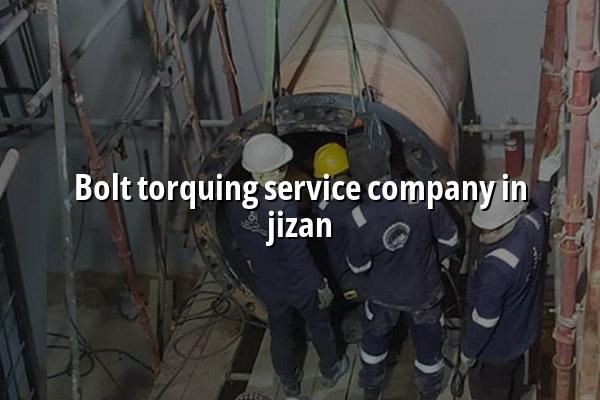
Bolt torquing service company in Jizan support matters when a flange joint has to hold pressure, stay aligned and pass inspection without guesswork. We help teams tighten bolts in a controlled pattern so the load is even, the gasket seats properly and the joint behaves the way the engineer intended.
In Jizan, that usually means work on process plants, utility systems, tank farms, piping runs and shutdown packages where there is no room for uneven tightening. We bring industrial experience from Saudi Arabia and the wider Middle East, along with the discipline that maintenance teams expect on live sites, turnarounds and commissioning jobs.
Bolt Torquing Service Company in Jizan for Critical Industrial Joints
When a client asks for a bolt torquing service company in Jizan, they’re usually trying to solve a practical problem: a leaking flange, a joint that was tightened by feel, or a shutdown task that needs repeatable tightening records. That’s where a proper tightening method helps. We work with torque tools, tensioning systems and a joint-by-joint sequence that fits the actual assembly, not a shortcut from a toolbox.
Where controlled torquing makes the biggest difference
The jobs that give the most trouble are rarely the small ones. Large diameter piping, heat-exposed lines, pump skids, exchangers, hydrotest preparation and equipment reassembly all need even load distribution. If one bolt is overtightened and the next is left low, the gasket can fail early or the flange can pull out of alignment. In Saudi sites, that quickly turns into rework, extra isolation time and a lot of avoidable pressure from operations.
What we check before tightening starts
We look at the joint condition first. That includes bolt size, thread condition, lubrication status, gasket type, flange face condition and access for the torque pattern. If the joint is distorted or the hardware is wrong, torque values alone won’t save it. Our team often works alongside flange facing, bolt tensioning, hydrotesting and testing & commissioning crews, so the tightening step sits inside a proper mechanical sequence.
- Inspect the joint — confirm flange faces, studs, nuts, gasket selection and accessibility before any tightening begins.
- Prepare the hardware — clean threads, check lubrication condition and replace damaged fasteners if the joint calls for it.
- Follow a tightening pattern — apply load in stages and cross pattern so the gasket seats evenly across the flange.
- Recheck and record — confirm the final pass, note the joint details and keep the record for maintenance or QA files.
- Use calibrated torque tools, not guesswork or impact-only tightening.
- Match the tightening sequence to the flange size and service condition.
- Keep a clean record for shutdown, commissioning and handover files.
- Coordinate with hydrotesting, flange facing and mechanical fit-up teams.
- Reduce the risk of gasket damage from uneven load or hurried reassembly.
Common Bolt Torquing Situations and What They Need
| Job Type | Main Risk | What We Focus On |
|---|---|---|
| Pump and skid flanges | Misalignment after reassembly | Even load pattern, thread condition, final joint check |
| Heat exchanger joints | Uneven gasket compression | Staged tightening and repeat verification |
| Pipework shutdown repairs | Leakage after startup | Flange face condition, hardware prep and record keeping |
| Commissioning tie-ins | Access limits and time pressure | Controlled sequence, clear coordination and handover notes |
Why Jizan Plants Ask for Proper Bolt Tightening Records
Most maintenance managers don’t just want the joint tightened. They want to know how it was tightened, who did it and whether the method matched the job. That matters on mechanical packages in oil & gas, petrochemical, power and water-related facilities where a small flange issue can stop a much larger system. A clean record also helps during inspections, re-torque checks and shutdown planning.
What good records usually include
We keep the job practical. A useful record usually includes the joint location, fastener size, tightening method, tool identification and the final status of the joint. For clients who already run ISO 9001:2015 quality systems, that kind of traceable note makes handover easier and helps the maintenance team avoid repeated guesswork on the next shutdown.
Built for shutdowns and live sites
We often see the same pattern in Jizan and other Saudi industrial areas: a tight schedule, multiple contractors and a few joints that need careful attention before startup. That’s where steady method beats speed. The right sequence can save a second shutdown, and that matters more than anything on a pressured site.
Supporting Services That Often Sit Beside Bolt Torquing
Bolt torquing rarely stands alone. On many jobs, it sits beside flange facing, hydrotesting, cold cutting, bolt tensioning and testing & commissioning. That mix matters because a joint that looks fine after assembly can still fail if the flange face is damaged, the hardware is wrong or the surrounding mechanical work wasn’t done in the right order. We’ve seen that happen on pipe racks, process skids and utility systems where several trades are working at once.
Our team is used to that environment. We can coordinate with project and maintenance teams so the tightening step fits the wider mechanical plan. That helps during shutdowns in Saudi Arabia, plant turnarounds in the Eastern Province and commissioning work across the Middle East, especially when the client wants one contractor who understands the sequence rather than just the tool.
For some joints, torque is the right choice. For others, tensioning may be the better fit. The point is not to force one method onto every flange. It’s to match the joint to the duty, the access and the equipment. That’s how you keep control of the load and reduce the chance of a leak after startup.
We also support clients who need inspection or calibration links around the job. If torque tools, gauges or related instruments need verification, our ISO/IEC 17025:2017 calibration capability and mobile lab support can help keep the work traceable.
How We Work Onsite in Jizan and Nearby Industrial Areas
Our onsite work is set up for the way industrial sites actually operate. Sometimes the job happens inside a live plant, sometimes during a shutdown window, and sometimes on a package that has just arrived for assembly. We plan around access, permits and coordination with the client’s own team, because the shortest path on paper is not always the safest path on site.
In our experience, the best results come when the maintenance lead, fitter and QA contact all agree on the tightening order before the first bolt is touched. That avoids rework. It also keeps the job moving when the schedule is already tight.
Practical details clients usually ask us about
They usually want to know whether the job can be done onsite, how the joint will be documented and whether special tooling is needed for the flange arrangement. Those are fair questions. We answer them plainly, based on the equipment in front of us, not from a standard script.
Field-ready and mobile
For Saudi work, that often means a mobile setup that can move with the job, plus clear communication with the site team in Jizan, Dammam and other industrial corridors. For us, the task is simple: tighten the joint properly, keep the documentation straight and leave the crew confident before startup.
How Mayon Industrial Services Can Help
If you need a bolt torquing service company in Jizan, we can support the job with controlled tightening, bolt tensioning, flange work and related mechanical services. Our team also helps with calibration, inspection and testing support when the project needs better traceability around tools or instruments. That makes it easier for your site team to hand over the work with fewer surprises.
Call +91 99447 80844 (India) or +966 59 633 8012 (Saudi Arabia), email services@mayonservices.com, or message us on WhatsApp.
Frequently Asked Questions
We do, for clients who need controlled tightening on flanges, skids and mechanical packages in Saudi industrial sites. The work is usually paired with flange prep, bolt inspection and a proper tightening sequence so the joint seats evenly. If the job needs traceability, we can keep the paperwork aligned with the site’s QA process.
For critical flange joints, yes, controlled torquing is usually the safer choice because it gives you a more even and repeatable load. Impact tightening can be useful for some mechanical jobs, but it’s not the same as a planned tightening sequence on a pressure joint. The right method depends on the flange, gasket and site procedure.
Yes. Much of this work is done onsite because shutdowns, maintenance windows and commissioning jobs need the joint handled where the equipment sits. We coordinate with the site team, follow the permit and access rules, and keep the sequence clear so the job doesn’t drift into rework.
We can provide job records that help with maintenance files, handover and QA review. On industrial sites, that usually includes the joint location, the tightening approach and the final status after the work is completed. It keeps future inspections simpler and helps the next crew understand what was done.
Yes, we can support calibration and related industrial services through our ISO/IEC 17025:2017 capability. That helps when the job needs better traceability for torque tools, gauges or other instruments used around the mechanical work. If the site needs a broader package, we can also discuss inspection, testing and commissioning support.
Need the flange tightened properly the first time?
Send us the job details and we’ll help you plan a controlled bolt torquing approach for your Jizan site.
Contact Mayon