
Bolt Torquing Service Company in Hail
Controlled bolt tightening for flanges, skids, pressure systems and maintenance shutdowns in Hail and nearby industrial sites.
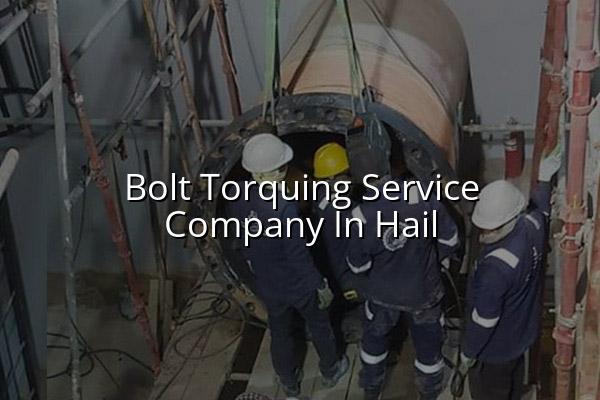
Bolt torquing service company in Hail is the service people call for when a flange can’t afford guesswork. We help you tighten bolts to a controlled pattern, protect gasket integrity, and keep pressure joints behaving the way they should on site.
Our team works with maintenance crews, shutdown planners and QA teams across Saudi Arabia, especially in projects where documentation, repeatability and safe bolting matter. In Hail, that usually means plant maintenance, skids, piping runs, rotating equipment and utility systems where uneven loading can turn a small job into a big leak.
Bolt Torquing Service Company in Hail for Safe Flange Assembly
When people ask for a bolt torquing service company in Hail, they usually need one thing first: confidence that each bolt in the joint is carrying the right load. That matters on flanges tied to pumps, separators, pipe spools, compressors, hydrotest assemblies and package equipment, because uneven tightening can leave one side overloaded while the other side stays loose. We use a planned tightening sequence, the right tools for the joint, and a field approach that fits shutdown and maintenance work in Saudi industrial settings.
Why controlled torque matters on site
Torque is not just a number on a wrench. It’s part of the joint design, along with bolt grade, lubrication condition, gasket type and flange condition. If the same target is applied without checking the bolt set-up, you can still end up with scatter in the clamping force. In our experience, that’s where most rework starts. A joint that looked “tight enough” at the first check starts weeping after thermal cycling or vibration, and then the crew has to open it again.
What we normally check before tightening
Before we start, we look at the bolt condition, flange face cleanliness, the tightening pattern and access around the joint. If the work involves pressure systems, we also pay attention to the sequence of activities around hydrotest, reinstatement and commissioning. That sort of planning saves time later, because the right bolt torquing step is easier to do once than twice.
- Inspect the joint — we check flange alignment, gasket seating surfaces, stud condition and any signs of damage before the wrench goes on.
- Set the tightening pattern — the crew follows a cross-pattern or other job-specific sequence so the load builds evenly across the flange.
- Apply torque in stages — we tighten in controlled passes rather than forcing the full load in one go, which helps the joint settle properly.
- Verify and record — the final check confirms the completed work and leaves a traceable record for maintenance or QA files.
- Use a clean, undamaged socket that matches the fastener size exactly.
- Keep the flange faces free from old gasket debris and oil residue.
- Confirm the bolt material and lubrication condition before setting the target.
- Recheck critical joints after the first tightening pass and after settling, where the job plan requires it.
Common Bolt Tightening Methods for Industrial Joints
| Method | Best Fit | Typical Use on Site |
|---|---|---|
| Manual torque wrench | Smaller joints and routine maintenance | General piping, utility lines and light assembly work |
| Hydraulic torque tool | Large studs and heavy flange loads | Process piping, pressure systems and major shutdown work |
| Bolt tensioning | Critical joints needing controlled preload | Flanges with strict load requirements and repeat service |
| Sequential re-torque | Jobs where joint relaxation is expected | Commissioning, reinstatement and selected maintenance scopes |
How We Keep Bolt Work Traceable and Practical
For many Hail jobs, the real issue is not access to a wrench. It’s making sure the work can stand up to an inspection, a maintenance review or a handover meeting. We document the job scope, note the joint condition, and keep the tightening approach tied to the site plan. That’s the sort of record engineering teams want when they are closing out a shutdown or preparing a system for service.
Where this helps the most
We see the strongest need in oil and gas facilities, petrochemical units, power sites, cold-chain support systems and fabrication yards where flanges are opened and reassembled often. A joint on a compressor skid in Hail doesn’t need drama. It needs proper preparation, correct tightening and a team that knows when to stop and check the setup again.
Built for shutdowns, maintenance and commissioning
We plan around live site realities: limited access, weather exposure, crew handovers and the pressure to close jobs without shortcuts. That’s why our bolt torquing work is usually bundled with flange work, hydrotesting support, mechanical services or inspection scopes when the project needs more than one pair of hands.
What a Good Bolt Torquing Scope Usually Includes
A good scope starts with the joint list. We want to know the flange size, service condition, bolt count, access limits and any nearby work that could affect the sequence. On live industrial sites, that information saves everyone time. It also helps us choose the right combination of hand tools, hydraulic tools or tensioning support before the crew steps onto the job.
The best outcomes usually come when bolt torquing is treated as part of the wider maintenance plan, not a last-minute fix. If a flange has been leaking, if bolts have been reused too many times, or if the joint has a history of loosening after temperature changes, the plan needs to reflect that. A careful scope beats a hurried one every time.
We also look at the follow-up work. Some joints are ready once torque is confirmed. Others need a later inspection after vibration, heat-up or pressure cycling. That depends on the system and the site procedure. The point is to leave the client with a joint that makes sense on paper and in the field.
For Hail and wider Saudi Arabia, that practical approach is often the difference between a clean handover and a call-back. No one wants to reopen a hot, awkward flange because the original tightening was done without discipline.
How Mayon Industrial Services Can Help
We support bolt torquing scopes in Hail alongside flange work, hydrotesting, cold cutting, testing and commissioning, and other mechanical services. If your team needs controlled tightening for a shutdown, a reinstatement or a planned maintenance job, we can fit into the work order and keep the job aligned with site requirements. When the scope needs more than torque alone, our inspection and calibration background helps us keep the whole job orderly.
Call +91 99447 80844 (India) or +966 59 633 8012 (Saudi Arabia), email services@mayonservices.com, or message us on WhatsApp.
Frequently Asked Questions
We tighten bolted joints to a controlled sequence and target so the flange load is even. That usually means checking the joint first, using the right tool, tightening in stages and recording the work for maintenance files. On industrial sites, that simple discipline helps avoid leaks and repeat work.
Use controlled torque whenever the joint matters to safety, sealing or pressure containment. That includes process piping, hydrotest reinstatement, compressor skids and other joints where uneven loading can create trouble later. “By feel” is fine for some light tasks, but not for critical industrial flanges.
Yes. We work around shutdown windows, equipment access limits and handover steps, which is how these jobs are usually run in Saudi industrial plants. If the scope also needs flange work, hydrotesting support or commissioning checks, we can plan that into the same visit.
We can support bolt tensioning where the job calls for controlled preload on larger or more critical joints. The choice between torqueing and tensioning depends on the flange design, access, bolt size and site procedure. We usually review those points before the crew starts so the method matches the job.
We most often see the need in oil and gas, petrochemical, power, manufacturing and construction projects. Cold-chain facilities and packaged utility systems also use it when they have flanged joints, pressure equipment or repeated maintenance openings. In those places, consistency matters more than speed.
Yes, we can keep the job traceable with site records that reflect the scope, the joints worked on and the method used. That helps when the maintenance team needs a handover pack or when the client wants a clear trail for inspection and close-out. It’s a small thing until someone asks for it at 6 p.m. on a shutdown day.
Need bolt torquing done properly on your next Hail job?
Send us the joint details and we’ll help you plan a controlled, field-ready approach that fits the work.
Contact Mayon