
Calibration Lab Setup Company in Qassim
Plan, build and commission a calibration lab in Qassim with traceability, practical workflow and the right equipment from day one.
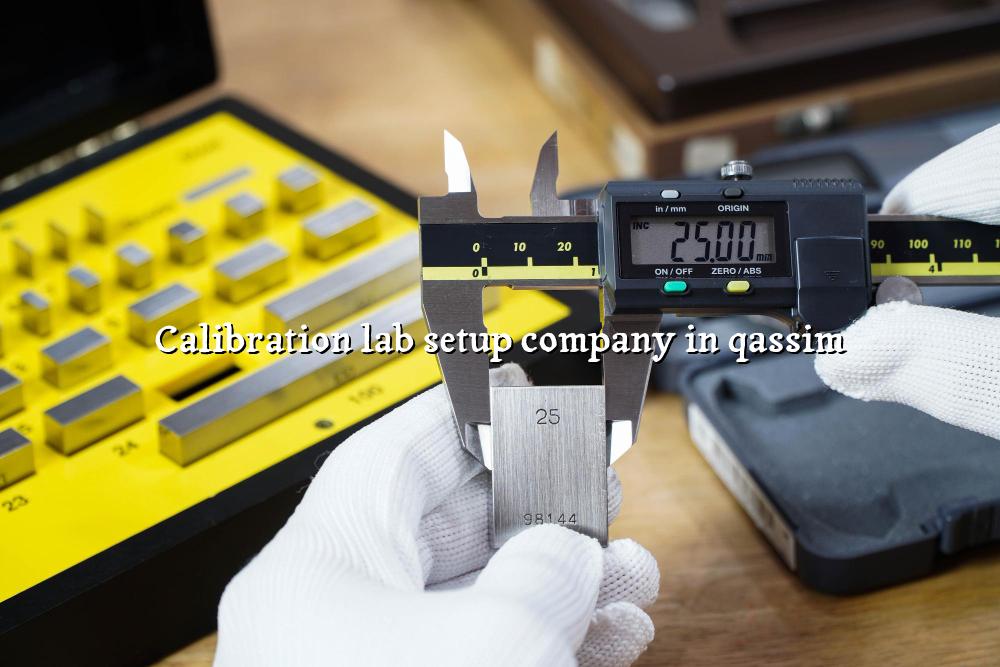
Calibration lab setup company in Qassim services matter when your plant needs more than a room with benches and a few instruments. You need traceability, a sensible workflow, and equipment that fits the work you actually do.
We help customers in Buraidah, Unayzah and the wider Al Qassim region plan calibration spaces for factories, maintenance teams and service providers. In Saudi industrial work, the lab must hold up under audit, daily use and the reality of mixed instruments coming in from production, QA and field operations.
What a calibration lab setup company in Qassim should deliver
A good setup starts with the scope. Are you calibrating pressure gauges, temperature probes, torque tools, weighing devices, dimensional instruments or a mix of all of them? We map the instrument range first, then build the room layout, environmental controls, storage, acceptance workflow and verification points around that scope. That is the part many teams skip, and they pay for it later with rework.
Start with the work mix, not the furniture
If your lab will handle pressure and temperature instruments, the bench arrangement, sink points, electrical supply and storage need to suit those tasks. A compact calibration room for torque and dimensional work is very different from a space that also needs temperature baths, dead weight testers and controlled storage for standards. The right setup reduces handling errors and keeps the instruments moving in one clear path.
Why ISO/IEC 17025 planning comes first
People often ask us to “build the lab” and then talk about accreditation later. That usually creates trouble. ISO/IEC 17025 thinking has to start at the design stage, because document flow, equipment traceability, calibration intervals, environmental control and measurement traceability all affect how the lab will run. When those points are built in early, the team spends less time fixing basic layout problems after commissioning.
- Define the scope — list the instruments, ranges and disciplines the lab will cover.
- Set the room flow — separate receiving, testing, storage and dispatch so jobs don't cross paths.
- Select the standards — choose reference equipment with suitable uncertainty and traceability.
- Commission and verify — check utilities, environmental controls and basic performance before live work starts.
- Plan for temperature control if you handle sensitive measurement equipment.
- Keep reference standards separate from day-to-day tools and general storage.
- Use a clear instrument ID system from the first week.
- Include a quarantine area for incoming instruments that need inspection.
- Make sure power, air and water points match the actual test methods.
Typical planning points for a new calibration lab
| Area | What to decide | Why it matters |
|---|---|---|
| Scope | Pressure, temperature, mechanical, electrical or mixed disciplines | Drives room size, utilities and reference equipment |
| Environment | Temperature control, dust control and stable storage conditions | Supports repeatable results and safer standards handling |
| Workflow | Receiving, tagging, testing, review and dispatch points | Reduces mix-ups and saves technician time |
| Commissioning | Utility checks, equipment verification and trial runs | Helps catch layout issues before the lab goes live |
The practical side of a calibration laboratory in Qassim
Once the room is drawn, the real work is making it usable every day. That means putting in shelves that can handle reference equipment, benches that give technicians enough space, and storage that keeps certificates, standards and instruments easy to find. For many Qassim clients, the challenge is not the first installation. It is keeping the lab tidy and auditable after six months of production pressure.
Choose equipment for real measurements
We often see labs that buy equipment because it looks suitable on paper, not because it matches the instruments on site. A pressure calibration room, for example, may need dead weight testers, comparators, manifolds and proper connectors. A mixed industrial lab may also need balances, temperature baths and electrical standards. The selection should follow the work order, not the catalogue.
Built for Saudi industrial sites
Qassim clients often support food plants, logistics depots, manufacturing lines and maintenance operations tied to larger Saudi supply chains. A lab that can receive instruments cleanly, verify them properly and return them without damage helps the whole plant. That applies whether you're setting up a new internal lab or a service lab for external customers.
How Mayon Industrial Services Can Help
We design and support calibration labs with a practical approach: scope review, layout planning, equipment selection, commissioning and the paperwork side that helps the lab run properly. If your project in Qassim also needs onsite calibration, mobile-lab support, mechanical services or training for technicians, we can line those pieces up with the lab build. That keeps the setup realistic from day one.
Call +91 99447 80844 (India) or +966 59 633 8012 (Saudi Arabia), email services@mayonservices.com, or message us on WhatsApp.
Frequently Asked Questions
We help you plan the lab before you buy the wrong things. That covers layout, utilities, equipment selection, workflow and commissioning so the space can support real calibration work in a controlled way. It also helps if you want the lab to be ready for ISO/IEC 17025-oriented operations later.
Yes, we can plan for mixed disciplines like pressure, temperature, mechanical and electrical work. The room needs enough space for test benches, reference standards, safe storage and stable working conditions, and each discipline has its own practical needs. We look at that mix before finalising the setup.
Yes. ISO/IEC 17025 requirements influence layout, equipment traceability, environmental control and document handling, so we keep those points in mind during planning. The idea is to avoid a lab design that looks fine but creates trouble during actual technical work.
At minimum, you should plan for receiving and tagging, testing benches, reference storage, certificate control and a clean dispatch area. Many labs also need temperature control, dedicated electrical points and safe spaces for sensitive standards. The exact list depends on the instrument types you will handle every week.
Yes, and that combination is often the best fit for plants that need support while the lab is being built. We can handle onsite calibration, mobile-lab work and related engineering services while the permanent facility is being planned or commissioned. That keeps your measurement work moving.
Ready to plan the right calibration lab?
If you're setting up a new facility in Qassim, start with the layout, standards and workflow so the lab is practical on day one.
Contact Mayon