
Calibration Labs Setup Consulting in Haradh
Plan a calibration lab that fits your instruments, utilities, and ISO/IEC 17025 traceability needs.
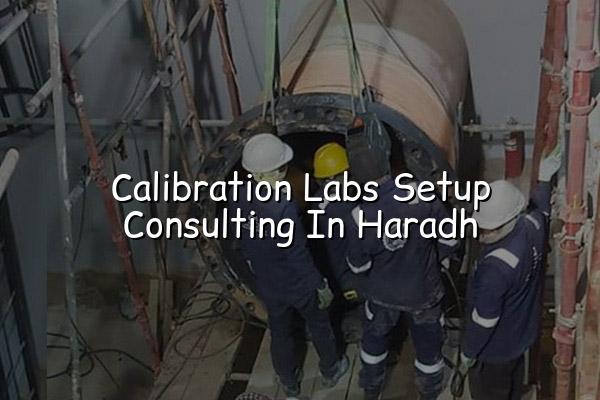
Calibration labs setup consulting in Haradh helps you turn a bare room, warehouse annex, or workshop corner into a lab that actually works for day-to-day calibration work. We help you think through layout, utilities, traceability, and instrument flow before you spend on racks, benches, or environmental controls.
In Haradh and the wider Eastern Province, plant teams often need a lab that supports pressure, electrical, thermal, mechanical, and dimensional work without creating delays for operations. Our job is to make the setup practical for oil & gas, petrochemical, power, and industrial maintenance teams that need ISO/IEC 17025 discipline from day one.
What a calibration lab needs before the first instrument arrives
A good calibration lab is more than a room with a few standards on the shelf. You need a clear zoning plan for receiving, cleaning, testing, storage, and report handling; you also need stable utilities, controlled access, and enough space to move instruments without mixing jobs. When teams skip the planning stage, they usually discover the problems later — usually after benches are fixed and cables are already running under the wrong wall.
We start by matching the lab to the work you expect to do. A pressure and electrical lab in Haradh will not look the same as a thermal or dimensional lab, and a mixed calibration setup in Dammam, Jubail, or Hofuf often needs a different bench layout again. The point is simple: the room has to support traceable measurements, clean handling, and repeatable work, not just look tidy on handover day.
Space, utilities, and environmental control
Humidity, temperature stability, dust control, and vibration matter more than many owners expect. For precision work, we pay close attention to floor loading, power quality, earthing, lighting, compressed air where needed, and the route for incoming instruments. If the lab will support weighing, torque, thermal baths, or sensitive electrical equipment, those details can change the whole plan.
Workflow and document control
The lab should move in one direction: receive, identify, inspect, calibrate, verify, release. That flow helps reduce mix-ups and supports the record keeping expected under ISO/IEC 17025:2017. We also think about how certificates, stickers, job cards, and nonconformance notes will be handled, because the paper trail matters just as much as the bench.
- Survey the work scope — list the instruments, ranges, and disciplines you need, from pressure and temperature to electrical and mechanical checks.
- Map the room — decide where receiving, calibration, storage, and documentation will sit so jobs move without crossing paths.
- Plan the utilities — confirm power, earthing, HVAC, compressed air, water, and any special environmental controls before procurement starts.
- Set up traceability — define standards, records, label control, and verification steps so the lab can support ISO/IEC 17025 work from the start.
- Keep a receiving area separate from the calibration bench to avoid mix-ups and contamination.
- Allow room for master standards, reference equipment, and secure storage cabinets.
- Build in space for temperature stability if you handle thermal baths, RTDs, or related instruments.
- Use clear job identification so instruments from oil & gas, power, and construction clients never get crossed.
Typical planning areas for a new calibration lab
| Planning Area | What We Check | Why It Matters |
|---|---|---|
| Room layout | Bench placement, traffic flow, receiving and storage zones | Reduces handling errors and keeps work organised |
| Utilities | Power, earthing, HVAC, compressed air, water and lighting | Supports stable and repeatable calibration conditions |
| Traceability | Reference standards, records, labels and verification steps | Supports ISO/IEC 17025:2017 discipline |
| Instrument mix | Pressure, electrical, thermal, mechanical and dimensional scope | Shapes the bench design and equipment list |
How Haradh labs stay ready for industrial work
Industrial clients usually want a setup that can handle real plant demand, not just routine bench work. That means secure instrument custody, clean storage, and a process for incoming checking, calibration, and release. For clients supporting Saudi oil & gas and petrochemical facilities, we also pay attention to mobile access, pickup and delivery needs, and the possibility of onsite calibration when the instrument cannot be removed easily.
Standards and practical setup
We keep the standards list tight: ISO/IEC 17025:2017 for competence, ISO 9001:2015 for quality management, BS EN standards for lifting and inspection work, and EURAMET CG-15 for electrical calibration. Those are the references that shape the plan, the records, and the way the lab is organised.
Built for real plant conditions
We see a lot of projects where the lab room exists, but the support systems were never matched to the work. A better plan gives you a space that can take pressure gauges, electrical test sets, dimensional tools, and thermal instruments without constant rearrangement or compromise.
From concept sketch to usable lab floor
Most lab projects fail in the middle, not at the start. The concept sounds fine, the equipment list gets approved, and then the team realises the HVAC load, bench height, cable paths, or storage requirements were guessed. We help prevent that by checking the practical side early, including how instruments are received from the site, where calibration standards are stored, and how technicians will move during busy periods.
In the Saudi market, that kind of planning matters because many clients support high-value assets and cannot afford a lab that creates bottlenecks. In our experience, a well-planned calibration room also makes training easier, because new technicians can follow the same route every time and learn the process faster.
We also look at how the lab will grow. A small startup space may begin with pressure, electrical, and basic dimensional work, then add thermal mapping, torque, or biomedical instruments later. If the layout is fixed too tightly, that growth becomes expensive. A little spare space now is usually cheaper than moving a bench wall later.
That is why our consulting work is not just about drawings. It is about making sure the lab can support field service, in-house work, and future scope without forcing your team into awkward workarounds.
Why regional experience matters in Eastern Province projects
Haradh sits in a working industrial belt where clients care about practical delivery, access, and traceability. A lab setup has to fit local site conditions, the kind of instruments being handled, and the service model you want to run — in-house only, onsite only, or a mix with pickup and delivery. That mix is common for teams serving plants across Saudi Arabia and the wider Middle East.
We use that regional experience to shape decisions on room flow, equipment sourcing, and whether a mobile calibration lab should be part of the plan from the beginning. For some clients, that mobile capability solves the exact problem the permanent room cannot.
Mobile and in-house working together
A fixed lab and a mobile calibration lab can support each other well. The onsite unit handles instruments that are better left in place, while the in-house room manages controlled work and special storage conditions. That balance is often the most practical answer for industrial maintenance teams.
How Mayon Industrial Services Can Help
We help you plan a calibration lab that fits the work you actually do, not a generic brochure layout. That includes calibration services, condition monitoring, mechanical support, electrical testing, inspection, orbital welding, lab design, and the practical details that keep a project moving in Haradh or anywhere else we serve in Saudi Arabia and India.
Our team can also support temperature-controlled storage needs, onsite calibration planning, and a mobile-lab model when special handling is needed. If you're starting a new lab or reworking an existing one, get in touch and we’ll help you shape it properly.
Call +91 99447 80844 (India) or +966 59 633 8012 (Saudi Arabia), email services@mayonservices.com, or message us on WhatsApp.
Frequently Asked Questions
It usually covers room layout, utilities, instrument flow, storage, environmental control, and the traceability side of the lab. We also look at how the lab will handle receiving, calibration, verification, and release so the setup matches the work scope from day one. If needed, we can also plan for a mobile calibration lab or pickup and delivery support.
Start with the scope of work, then design the room around the standards, records, and working conditions that support that scope. ISO/IEC 17025:2017 is not just about certificates; it affects how you control equipment, records, personnel, and the measurement environment. We help clients turn those requirements into a practical floor plan and workflow.
Yes. Many industrial clients need a mixed model where some instruments stay onsite while others come to the controlled lab. We can plan the permanent room, the mobile calibration support, and the handover process so the two work together instead of competing.
We often support oil & gas, petrochemical, power, construction, healthcare, manufacturing, and cold-chain operators. The needs are different, but the pressure is the same: the lab has to be traceable, organised, and ready for real plant use. Haradh and the Eastern Province have a strong fit for that kind of work.
Usually, yes. At minimum, we look at power, earthing, lighting, HVAC, and the space needed for secure storage and clear movement. Some scopes also need compressed air, temperature stability, or controlled access, so the utilities have to be matched to the exact instruments you plan to calibrate.
Ready to plan your Haradh calibration lab properly?
If you're setting up a new lab or correcting a layout that isn't working, talk to us before the next purchase order goes out.
Contact Mayon