
Calibration Training in Marjan
Practical training for engineers and technicians who need better calibration habits, cleaner records and stronger ISO/IEC 17025 discipline.
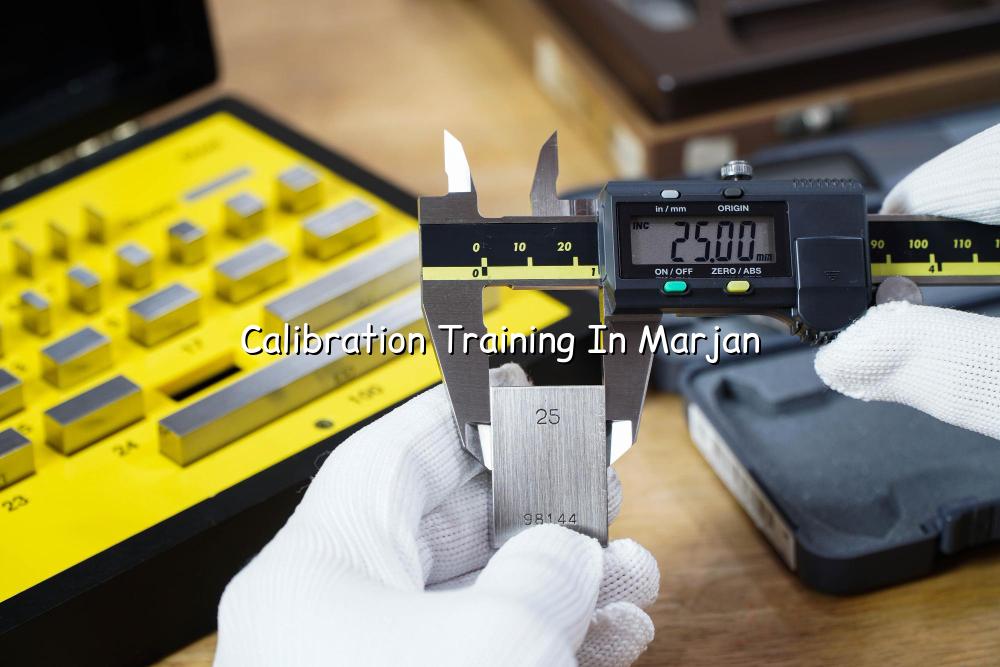
Calibration training in Marjan gives your team the practical habits they need to work cleaner, record results properly and keep instruments under control. If your technicians are handling gauges, thermometers, torque tools or pressure devices, this page shows what good training should cover and how it supports day-to-day work.
We work with engineering and maintenance teams across India, Saudi Arabia and the Middle East, so we see the same pattern again and again: the equipment is there, but the people need a clearer method. That is where training matters. It helps reduce avoidable mistakes, supports ISO/IEC 17025:2017 discipline and makes internal checks easier to trust.
What calibration training in Marjan should cover
A good programme should do more than explain theory. Your team needs to understand how to handle instruments, check environmental conditions, read certificates, spot drift and keep traceability intact. In our experience, the best sessions are built around the actual workbench: digital multimeters, pressure gauges, dial indicators, temperature sensors, torque wrenches and other field instruments used in oil & gas, petrochemical, power and manufacturing sites.
Skills that stick on the shop floor
People remember what they practise. That is why we keep training close to real tasks such as inspection before use, stable placement, proper warm-up, recording uncertainty notes and matching a device to the right method. When teams understand why a reading changes, they stop treating calibration as paperwork and start treating it as control.
Why records matter as much as readings
Many labs and maintenance departments already know how to read a display. The gap is usually in the records. If calibration data, serial numbers, environmental notes and pass/fail decisions are not captured properly, the work becomes hard to defend during audits or customer review. Training closes that gap and makes handover between technicians much cleaner.
- Start with the instrument list — group the devices your team handles most, such as pressure, electrical, thermal and dimensional tools.
- Check the current method — compare daily practice against the written procedure, certificate format and traceability chain.
- Practise the measurement flow — set up the item, stabilise the environment, take readings and note any drift or repeatability issues.
- Review the evidence — confirm that the logbook, certificate, labels and status tags all tell the same story.
- Use real instruments from your own site, not only classroom examples.
- Include common error sources such as temperature drift, vibration and poor handling.
- Teach technicians how to read calibration certificates and follow traceability links.
- Build confidence in pass/fail decisions before instruments go back to service.
Training modules that help different teams work better
| Module | Typical audience | What they leave with |
|---|---|---|
| Calibration basics | New technicians and junior engineers | Method flow, handling discipline and simple record keeping |
| Traceability and certificates | QA teams and supervisors | Better certificate reading and clearer acceptance checks |
| Field calibration practice | Maintenance and service teams | Safer onsite setup and cleaner instrument handling |
| Lab discipline and workflow | Laboratory staff | Improved sample control, status tagging and handover |
Why this matters for audit readiness and quality control
When a team understands calibration properly, audit conversations become easier. You are not scrambling to explain missing entries or unclear results. Instead, you can show a logical path from instrument receipt to test outcome, with the right standard and the right record in place. That matters in ISO/IEC 17025:2017 environments, and it matters just as much for ISO 9001:2015 quality systems.
Small habits make the biggest difference
We often see issues come from simple things: a label peeled off, a certificate filed in the wrong folder, or a technician using the wrong range because the setup sheet was vague. Training gives people a shared language. Once that happens, handovers improve and repeated mistakes drop away.
Built for real industrial use
Marjan-based teams, especially those tied to oil & gas and petrochemical operations, need methods that hold up under site pressure. That means clean documentation, traceable equipment and a practical understanding of how calibration supports safe operation. We keep the training grounded in those realities, not classroom theory.
How Mayon Industrial Services Can Help
We run calibration training alongside our ISO/IEC 17025:2017 calibration services, mechanical work, inspection, orbital welding and lab setup projects. That gives us a practical view of what technicians actually face on site and in the laboratory. If your team in Marjan, Saudi Arabia or across India needs better method control and stronger records, we can shape the session around your instruments and your workflow. Start with a conversation and we will map the next step.
Call +91 99447 80844 (India) or +966 59 633 8012 (Saudi Arabia), email services@mayonservices.com, or message us on WhatsApp.
Frequently Asked Questions
It usually covers how to handle instruments, follow a method, read results and keep good records. We also include traceability, certificate checks and practical points that matter on site, such as stability, range selection and basic error spotting. The content changes with the audience, so a maintenance team and a lab team do not get the exact same session.
Technicians, maintenance engineers, QA staff and supervisors all benefit. If a person handles gauges, thermometers, torque tools, electrical test gear or dimensional instruments, they need the same basic discipline. Even experienced staff usually pick up better record habits and a more consistent way of working.
Yes. That is usually the best way to do it. When we work from your actual instruments and your existing procedure set, the team sees exactly what must be done at work instead of learning in a vacuum. It also makes the session easier to apply after the trainer leaves.
Yes, because a lot of compliance problems start with poor routine practice. Training helps people understand traceability, records, uncertainty awareness and proper equipment control. It does not replace a quality system, but it makes the system much easier to run well.
We do. Our work covers India, Saudi Arabia and the wider Middle East, including industrial and engineering clients who need practical calibration and maintenance support. We can discuss onsite training, mobile-lab support or a blended plan based on what your team needs.
Ready to strengthen your calibration team?
If your people need clearer habits, better records and more confidence around traceability, we can help you plan the right training path.
Contact Mayon