
Calibration Training in Red Sea
Practical calibration workshops for engineers, QA teams and technicians working across the Red Sea industrial belt.
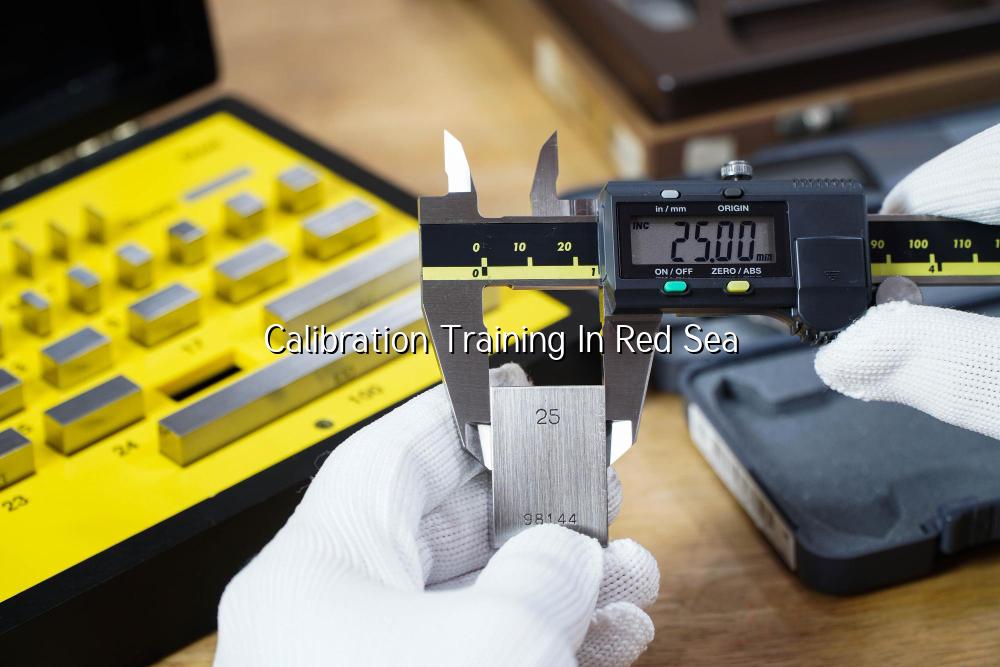
Calibration training in Red Sea gives your team the practical skills to check instruments, record results, and keep maintenance work aligned with ISO/IEC 17025 discipline. If your site depends on traceable measurements, this page shows what to cover, how to structure the training, and where it fits in daily plant work.
We wrote this for engineers and technicians supporting oil and gas, petrochemical, power, cold-chain and manufacturing sites across the Red Sea corridor. In our work across Saudi Arabia and the wider Middle East, the biggest gap is usually not equipment, it’s confidence in method, documentation and a clear routine that people can repeat under pressure.
What Calibration Training in Red Sea Should Cover
A useful training program has to go beyond theory. People need to understand instrument selection, reference standards, environmental control, data recording and the point where a reading becomes unfit for release. For Red Sea industrial sites, that often means pressure gauges, temperature instruments, torque tools, dimensional checks, and electrical basics tied back to traceability and good workshop practice.
Start with the workbench, not the slide deck
The best sessions we run are hands-on. A technician should be able to compare a device against a known reference, read a certificate, spot an out-of-tolerance result, and know when to escalate to the lab. If that person works near Yanbu, Jeddah, or in the Gulf industrial belt, the training should also reflect dust, vibration, shift work and the reality that people rarely have the luxury of a quiet bench.
Keep it aligned with QA and maintenance routines
Calibration training works best when QA, maintenance and operations use the same language. One team may call it verification, another may say checking, and both can mean different things. We focus on simple procedures, traceability records, and calibration discipline that fits ISO/IEC 17025:2017 thinking without drowning the team in paperwork.
- Assess the current skill gap — review the instruments in use, the certificates on file, and the mistakes people keep repeating.
- Set the training scope — choose the calibration families that matter most, such as pressure, thermal, mechanical or electrical tools.
- Run practical demonstrations — show how to set up the reference, handle the item, note the reading and judge pass or fail.
- Check the paperwork — teach trainees how to read traceability, uncertainty, identification and due-date fields without guesswork.
- Verify application on site — confirm the team can use the method during normal maintenance rounds, not just in a classroom.
- Train on the exact instruments your site uses, not generic examples.
- Include reading certificates and labels so technicians know what traceability looks like.
- Use local plant scenarios such as pump rooms, substations, labs and warehouse cold stores.
- Keep one version of the procedure for QA, maintenance and supervisors.
- Close every session with a short practical check so the team can prove what they learned.
Calibration Topics That Matter Most on Red Sea Sites
| Training focus | Typical site use | What the team should learn |
|---|---|---|
| Pressure calibration | Pumps, compressors, test rigs and process lines | Zero check, range selection, reference comparison, and result logging |
| Temperature calibration | Cold rooms, chambers, warehouses and process monitoring | Stability, sensor placement, drift signs and acceptance limits |
| Mechanical calibration | Torque tools, gauges, dimensional items and field tools | Handling technique, repeatability, and when tools need recall |
| Electrical basics | Test instruments, panels and commissioning work | Safety checks, reading output, and linking results to traceability |
Why Red Sea Facilities Ask for Calibration Training
Most managers call us because they want fewer surprises in audits, shutdowns and vendor inspections. A trained team notices small problems early: a gauge that drifts, a thermometer that reads oddly after transport, a torque wrench that has been used beyond its recall point. That saves time, but more than that, it protects confidence in every measurement the site relies on.
Built for technicians who work under pressure
We keep the language plain. Trainees learn what to do, why it matters and how to document it. That matters in Saudi industrial cities and across Middle East projects where mobile teams may receive equipment from the field, the workshop and the lab on the same day.
What a good session changes
People stop treating calibration as a box-ticking chore. They start using the certificate, the recall sticker and the job sheet as part of one routine, and that makes maintenance decisions cleaner.
How We Shape the Workshop for Your Team
We usually build the training around the instruments already in use at your site. That can mean a focused workshop for one discipline or a wider session that links multiple checks together. For example, a maintenance team supporting a process plant may need pressure and temperature first, while a QA group may need the certificate reading and record control side more urgently.
The structure also depends on where the team works. Field technicians in the Red Sea region often need practical handling tips for onsite conditions, while lab staff need stronger emphasis on reference management, environment, and repeatability. Same topic, different emphasis. That’s the part many off-the-shelf courses miss.
We can also tie the workshop to related services like ISO/IEC 17025 calibration, temperature mapping, condition monitoring, and repair and maintenance. If your business is setting up a lab or upgrading its internal process, we can shape the session so it supports that project instead of sitting apart from it.
That approach works well for teams in Dammam, across Saudi Arabia, and for Indian firms supporting projects from Chennai to the Gulf. People leave with something usable, not just notes.
How Mayon Industrial Services Can Help
We run calibration training from the same industrial mindset we use for calibration services, lab setup, inspection and mechanical work. That means your team gets practical teaching, not theory floating away from the job. If you want a session built around your own instruments and your site conditions in Saudi Arabia, India or the Middle East, we can plan it with you.
Call +91 99447 80844 (India) or +966 59 633 8012 (Saudi Arabia), email services@mayonservices.com, or message us on WhatsApp.
Frequently Asked Questions
Usually, we cover practical instrument handling, reading certificates, basic traceability, and the steps used to check whether a tool is fit for use. If your team works with pressure, temperature, mechanical or electrical equipment, we tailor the examples to those items. The point is to make the training useful the next day on site.
Yes, and that’s usually the better option. When people train on the instruments they already use, they learn faster and ask better questions. It also helps us match the workshop to the exact measurement routines already running in your plant or workshop.
Yes. In fact, we often recommend it because both teams need the same language around certificates, records and tolerance decisions. QA usually wants stronger control of documentation, while maintenance wants practical handling and field checks. A joint session keeps both sides aligned.
Yes, but we keep it practical. We explain traceability, certificate reading, control of references and why disciplined records matter in daily work. The aim is not to turn your technicians into auditors; it’s to help them work in a way that supports an ISO/IEC 17025 environment.
Yes. We support clients from our India head office in Chennai and from Dammam Industrial City 2 in Saudi Arabia. That lets us work with teams across India, Saudi Arabia and the Middle East while keeping the training relevant to their local operations.
Ready to build calibration confidence in your team?
If your technicians need a practical workshop that fits your site, we can help you shape it around the tools and routines you already use.
Contact Mayon