
Cold Cutting Service Company in Qassim
Spark-free cutting for live plants, shutdowns and controlled maintenance work in Qassim and nearby industrial sites.
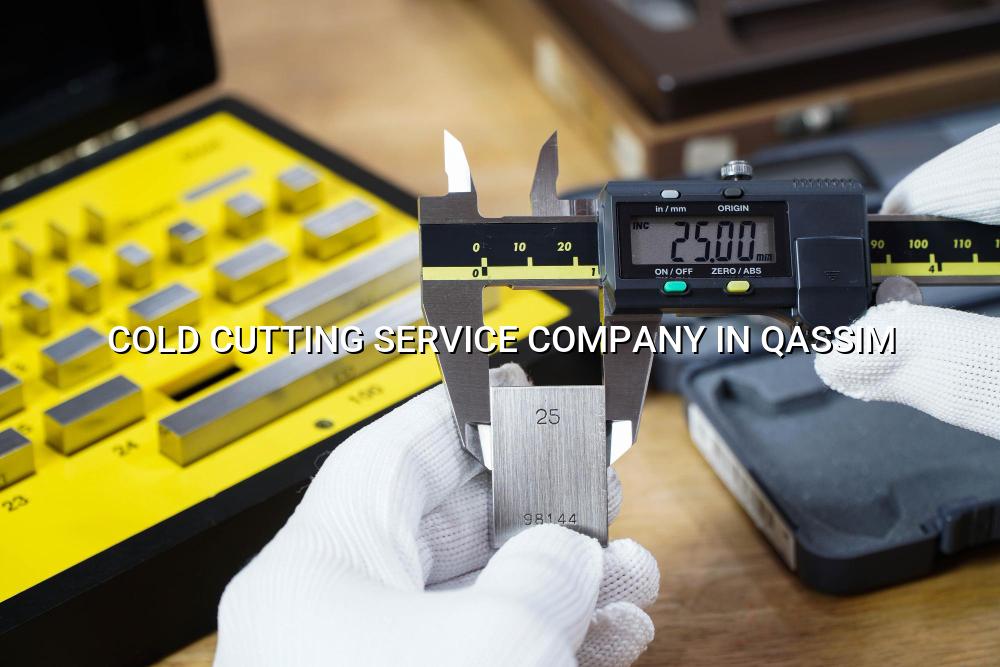
Cold cutting service company in Qassim is a search people use when they need clean, spark-free metal cutting without dragging hot work into the job. If you need pipe sections, tank attachments, or structural members removed in a controlled way, this page shows how we handle it and where it fits best.
We support maintenance teams in Saudi industrial zones, including oil & gas, petrochemical, power, and heavy engineering sites where hot work permits can slow everything down. Our crew works with mechanical methods that suit shutdowns, tie-ins, and field repairs, and we plan each job around the site conditions you actually have, not the ideal ones on paper.
Cold Cutting Service Company in Qassim for Controlled Field Work
In our work, cold cutting is usually about one thing: removing or trimming metal without flame, excessive heat, or the distortion that comes with cutting too aggressively. That matters on pressurised pipe runs, around coated surfaces, and near equipment where heat, fumes, or stray sparks create extra risk. We see this most often during maintenance on skids, manifolds, tanks, platforms, pipe racks, and access modifications in busy plants around Qassim and the wider Saudi industrial belt.
Where cold cutting fits best
Cold cutting is a practical choice when the site team wants a cleaner method for pipe removal, vessel modifications, flange work, or structural trimming during shutdowns. It is also useful when the work zone sits near product residues, insulation, cable trays, or finishes that you don't want to scorch. On many projects, the bigger gain is not just safety. It is control. You get a cut that is easier to manage, easier to inspect, and less likely to distort the next fit-up.
What our team checks before starting
We usually begin with the material, access, wall thickness, work envelope, and the condition of the surrounding equipment. If a section needs to come out in one piece, we plan the cut sequence first. If the job is a live-site intervention, we look at permits, exclusion zones, and how the area will be made safe for the crew and nearby operations. That is the part many teams rush. It shouldn't be rushed.
- Survey the cut line — we mark the exact removal point, confirm the dimensions, and check nearby assets that could be affected.
- Isolate the area — the work zone is prepared for safe access, with the right permits and controls for the site conditions.
- Choose the cutting method — the tool and technique are matched to pipe, plate, flange, or structural steel.
- Carry out the cut — the team cuts in a controlled sequence so the part comes free without unnecessary movement or damage.
- Use spark-free methods where hot work is restricted.
- Keep cut faces cleaner for easier fit-up and welding.
- Reduce heat distortion on thin sections and coated components.
- Plan the cut around shutdown windows, lifting access, and nearby live equipment.
Cold Cutting Options for Typical Site Jobs
| Job type | Typical use | Why it suits the site |
|---|---|---|
| Pipe section removal | Shutdown tie-ins and reroutes | Gives a controlled cut near live systems and tight access points |
| Tank and vessel modifications | Nozzle changes, access openings | Helps avoid flame exposure around coated or sensitive surfaces |
| Structural steel trimming | Platforms, supports, brackets | Useful where heat could warp members or affect nearby finishes |
| Flange and spool work | Replacement and alignment prep | Supports cleaner preparation before mechanical assembly or welding |
Why Local Teams Ask for Cold Cutting in Qassim
Most requests come from maintenance supervisors who need the work done without shutting half the plant around it. In Qassim, that can mean support for food and beverage facilities, fabrication shops, utility plants, and heavy industry where the schedule is tight and the permit process is strict. Cold cutting helps keep the job focused. No flame. Less disturbance. Better control around adjacent systems.
Common risks it helps reduce
We use cold cutting when the client wants to cut down heat-affected damage, smoke, and the chance of igniting residue or insulation. It is also a good fit for sites that need to protect coatings, keep airborne debris down, or avoid extra rework after cutting. If the next step is bolting, welding, or commissioning, a cleaner cut usually saves the crew effort later.
Field-ready support
We come in with a mechanical mindset, not just a cutting tool. That means we think about access, rigging, alignment, later assembly, and how the removed piece will be handled once it is free. It sounds simple. It rarely is.
What You Need to Prepare Before the Crew Arrives
A good cold cutting job starts before the first tool is switched on. If you can share drawings, line numbers, material details, photo references, and the exact restriction on site, we can shape the work around the real problem. On industrial sites near Buraydah, Unayzah, and surrounding areas, that usually means balancing access, permit timing, and whether the cut must happen around ongoing operations.
We also pay attention to what comes after the cut. If the removed section needs to be lifted out, prepared for welding, or measured for replacement, that changes the sequence. If the client is dealing with a turnaround, a minor repair window, or a corrective job after an inspection finding, the job plan has to be practical, not fancy.
A simple way to brief the job
Start with the equipment name, the location, and the reason for the cut. Then share the material, wall thickness, operating condition, and any access issue that could slow the crew down. A few clear photos can save a lot of back-and-forth. That is especially true on site jobs where the distance between the office and the plant floor is bigger than people think.
- Share drawings, tag numbers, and marked-up photos where possible.
- Tell us if the area has residue, coating, insulation, or a limited access route.
- Confirm whether the cut is for removal, fit-up, or modification work.
- Mention any lifting or reassembly step that comes right after the cut.
When Cold Cutting Is Better Than a Torch
There are jobs where a torch is simply the wrong choice. Maybe the area has coating that must stay intact. Maybe the line sits too close to a live process. Or maybe the client wants a cut that does not leave the surrounding metal looking rough and overheated. In those cases, cold cutting gives the site team a cleaner way to move forward.
We see this often with turnaround work in petrochemical plants and with utility systems where downtime is expensive and space is tight. The work still needs planning. It still needs discipline. But the cut itself is easier to keep under control.
Useful around live plant constraints
Qassim projects often ask for a method that respects permit rules, nearby operations, and the client’s own shutdown sequence. Cold cutting helps because it reduces the heat load on the area and makes the work easier to manage in a busy plant environment.
How Mayon Industrial Services Can Help
We handle cold cutting as part of a wider mechanical service scope, so you can bring us in for shutdown support, pipe removal, flange work, or related site modifications. If your job also needs inspection, bolt torquing, hydrotesting, electrical testing, or follow-up commissioning support, our team can keep the work moving under one plan. For Qassim and nearby Saudi sites, that saves you from dealing with too many separate crews.
Call +91 99447 80844 (India) or +966 59 633 8012 (Saudi Arabia), email services@mayonservices.com, or message us on WhatsApp.
Frequently Asked Questions
It's used when you need to cut metal without flame or high heat. In practice, that helps on pipe removal, structural trimming, tank modifications, and shutdown jobs where sparks are a problem. We usually recommend it for live sites or areas with strict hot work controls.
For many maintenance jobs, yes, especially where heat, sparks, or distortion would create extra risk. Gas cutting still has its place, but if the site needs tighter control around coatings, residues, or adjacent equipment, cold cutting is often the cleaner choice.
Yes. That's one of the most common use cases. We support shutdown and turnaround work on pipe sections, spools, and related mechanical systems, with the cut planned around access, isolation, and the next step in the job.
Send the equipment tag, location, line size or component dimensions, a few photos, and the reason the cut is needed. If you know the material and wall thickness, include that too. The more accurate the brief, the easier it is for us to plan the sequence properly.
Yes, we can support the next stage too. That may include flange work, bolt torquing, hydrotesting, testing and commissioning, or inspection-related support depending on the job. Many clients prefer one team to handle the sequence instead of splitting it across several contractors.
Need Controlled Cutting for a Qassim Site?
If your project needs spark-free cutting, careful planning, and a crew that understands plant constraints, speak to us and we’ll map the job to the site.
Contact Mayon