
Electronic Instruments Calibration Company in Saudi Arabia
Traceable calibration for test equipment, control instruments and plant electronics across Saudi Arabia and the wider Middle East.
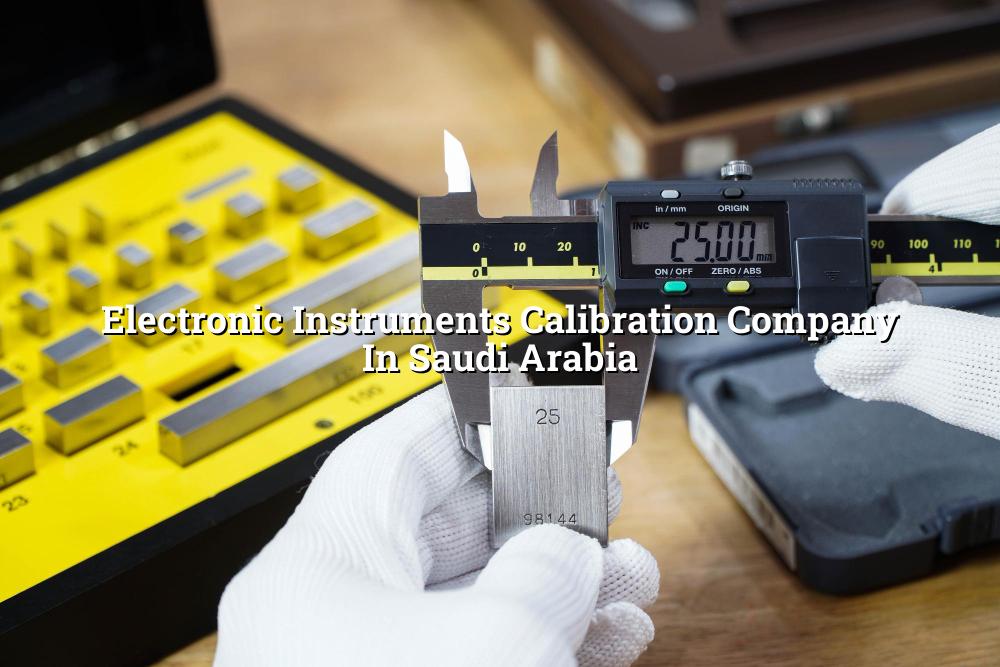
Electronic instruments calibration company in Saudi Arabia is the phrase people usually type when they need clean, traceable results for meters, transmitters, indicators, recorders and other plant electronics. If that’s your situation, this page will help you see what to calibrate, how the work is done, and what to expect from a competent industrial partner.
We work with maintenance teams, QA managers and procurement teams that need dependable calibration for Saudi oil & gas, petrochemical, power, manufacturing and cold-chain facilities. With a temperature-controlled lab, a mobile calibration lab and onsite support across Dammam Industrial City 2 and the wider GCC, we keep the process practical for real sites, not just ideal test rooms.
Electronic Instruments Calibration Company in Saudi Arabia for Plant and Test Equipment
In practice, electronic calibration is about verifying that the instrument reads the way it should, across the points that matter to your process. That can include loop calibrators, panel meters, digital indicators, controllers, transmitters, sensors, recorders, process monitors, multimeters and other instruments used in commissioning or ongoing maintenance. For Saudi facilities, the big concern is usually traceability, clear records and equipment that can hold its own during audits, shutdown work and HSE reviews.
Why sites ask for both onsite and lab calibration
Not every instrument should travel. A control room analyzer, a fragile indicator or a device installed in a dusty production area may be better handled onsite with portable reference gear. On the other hand, instruments that need controlled conditions, stable temperature or a more detailed setup often benefit from the in-house laboratory. We use both approaches because that’s what most plants actually need. Some jobs start with pickup and delivery, then move into lab work once the instrument is safe to remove from service.
What makes the result usable for your team
A good certificate has to do more than show numbers. Your team needs the as-found condition, the adjustment points if any, the as-left result and enough detail to link the report back to the instrument identity. That’s especially useful when you’re dealing with batches of similar devices in a refinery, a power station or a food plant. We also see this matter a lot in Saudi projects where the same equipment is tracked across multiple shutdown cycles.
- Identify the instrument class — confirm whether the item is a meter, transmitter, controller, indicator, recorder or a related electronic device.
- Check the required range — match the calibration points to the process span, not just the nominal label on the panel.
- Select onsite or lab work — choose mobile calibration for installed assets or the controlled lab for instruments that need tighter conditions.
- Review the certificate data — make sure the result includes traceability, as-found readings, adjustment notes and clear identification.
- Use calibration intervals that fit the instrument’s drift history, not just a fixed calendar habit.
- Tag equipment by asset number, location and service loop so reports are easy to file later.
- Ask for onsite work when shutdown windows are tight or the device is hard to remove.
- Keep instruments clean and powered down only as required before the technician arrives.
- Separate electrical calibration from repair work when you need a clean audit trail.
Common Electronic Instruments and How We Approach Them
| Instrument group | Where it is used | Typical calibration focus |
|---|---|---|
| Digital multimeters and meters | Maintenance rooms, panels, workshops | Voltage, current, resistance and basic functional checks |
| Transmitters and controllers | Process lines, utility skids, tank farms | Input/output response, span, zero and loop performance |
| Recorders and indicators | Control rooms, test benches, chambers | Display accuracy, linearity and stable reading across points |
| Test and commissioning devices | Projects, shutdowns, startup support | Functional verification before plant handover or restart |
Why traceability matters in Saudi plants
Saudi operators usually want their calibration files to stand up in internal audits, customer reviews and project handovers. That’s why ISO/IEC 17025:2017 traceability is so important. It gives your team a clear line from the instrument under test to the reference used for the measurement. When you’re supporting oil & gas, petrochemical, power or pharmaceutical work, that paper trail matters as much as the measurement itself.
What clients usually ask us for
Most requests are simple on the surface: check the instrument, document the results, and keep the device available for the plant with minimal disruption. But underneath that, there’s often a larger need. A maintenance manager may need grouped calibration for an entire shutdown package. A QA team may need tidy records for a batch release file. A procurement team may need one service partner who can handle instruments across several sites in Saudi Arabia without creating a mess of vendors and formats.
Built for field teams, not just lab benches
Our mobile calibration lab helps when the instrument is installed in the field or too sensitive for rough transport. For items that need controlled handling, our temperature-controlled in-house lab gives you a better environment for the work. Pick-up and delivery is available for instruments that need special conditions, so the job can move without unnecessary risk.
How an Electronic Calibration Job Usually Moves
Most electronic calibration work follows a fairly steady path, even when the sites are very different. A refinery in Jubail, a fabrication yard in Dammam or a warehouse in the Eastern Province may all need the same core steps: identify the item, decide where it should be tested, run the check points, document the result and return the equipment ready for service. The details change, but the discipline stays the same.
Two situations we see often
The first is routine maintenance, where a site wants a clean calibration record for a group of instruments before the next inspection round. The second is startup or troubleshooting, where the team needs to know if a bad reading comes from the instrument, the wiring or the process condition itself. In both cases, clear measurement data saves time. Guesswork usually costs more.
What to prepare before the technician arrives
If you’re booking onsite work, a small amount of preparation helps a lot. Share the instrument list early, make sure access is arranged, and tell us if any unit is connected to a live loop, a hazardous area or a production line that can’t stop. That way we can plan the right reference equipment and keep the visit focused.
- Send the asset list — include model numbers, serial numbers and the site location in Saudi Arabia.
- Confirm the work mode — decide whether the item should stay onsite or go to the lab.
- Run the checks — perform verification at the agreed points and note any adjustment or repair need.
- Close the record — file the certificate, tag the asset and plan the next interval based on use and drift.
- Keep serial numbers readable before the job starts.
- Tell us if the instrument is part of a safety loop or shutdown-critical system.
- Separate damaged devices from routine calibration lots.
- Ask for combined scheduling when several instruments are due together.
How Mayon Industrial Services Can Help
We handle electronic calibration as part of a wider industrial service set, so you’re not forced to split work between too many vendors. If your site also needs mechanical support, inspection, electrical testing, temperature mapping or lab setup, we can plan the work in a way that fits your shutdown or maintenance window. Our team supports clients across Saudi Arabia, India and the Middle East with the same practical approach: clear communication, proper traceability and work that fits the site.
Call +91 99447 80844 (India) or +966 59 633 8012 (Saudi Arabia), email services@mayonservices.com, or message us on WhatsApp.
Frequently Asked Questions
Yes — you can work with a provider that supports onsite and in-lab calibration in Saudi Arabia, especially if your instruments are spread across different plant areas. For many clients, that matters more than having a nearby office. What they need is traceable calibration, clear records and a team that can handle the job without disrupting operations.
Common items include multimeters, panel meters, transmitters, controllers, indicators, recorders and other test or process electronics. On Saudi sites we often see a mix of control-room devices and field instruments, and each one may need a different setup or test range. The key is matching the calibration to how the instrument is actually used.
Yes. We use a mobile calibration lab for onsite jobs, which is useful when the instrument is installed in a live process area or is awkward to remove. Some equipment still works better in the controlled lab, so we choose the location based on the instrument and the site conditions.
You should expect enough information to identify the instrument clearly and follow the measurement trail. That usually means the asset identity, the readings, any adjustment notes, and the as-left result. For audit files, the traceability trail is just as useful as the final pass or fail view.
Yes, we support industrial work in Saudi Arabia, including the Eastern Province. That includes jobs tied to maintenance shutdowns, startup checks and commissioning activities where timing and traceability both matter. When needed, we can also coordinate other engineering services around the same visit.
Because plant work rarely sits in one box. A shutdown may need calibration, electrical testing, lifting inspection, torque work and a few repairs at the same time. When one team understands the wider job, planning gets easier and the site spends less time coordinating separate vendors.
Need reliable calibration for your electronic instruments?
Send your instrument list and site location, and we’ll help you plan the right calibration path for Saudi Arabia, India or the wider Middle East.
Contact MayonFor teams that need a steady calibration partner, the right answer is usually the one that keeps records clean and equipment ready for work. That’s the standard we follow at Mayon Industrial Services, and it’s why many clients keep us on their vendor list for repeat industrial jobs.