
Flange Facing Service Company in Red Sea
Onsite flange facing, sealing-face repair and flange work for Red Sea industrial sites, ports and shutdown teams.
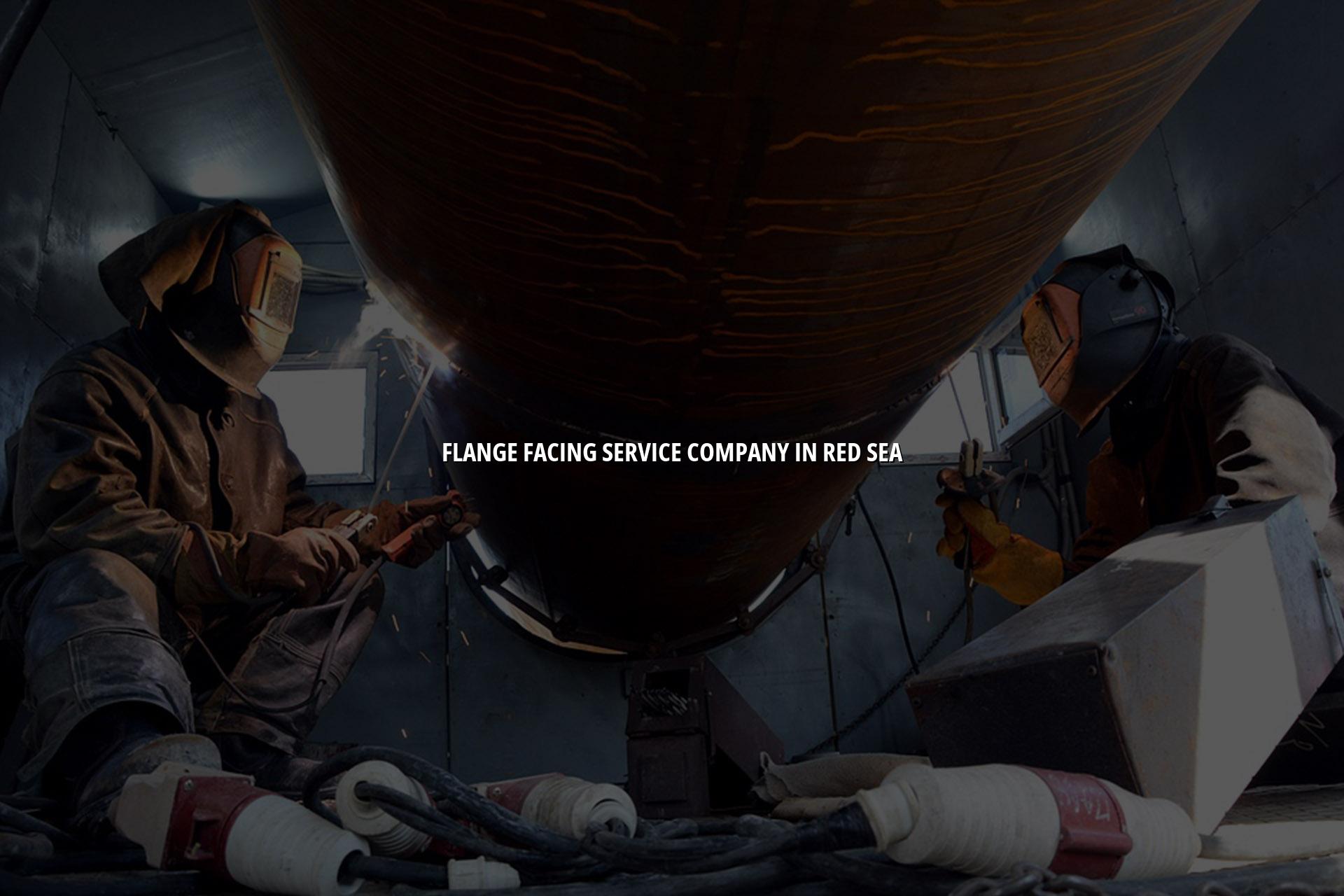
Flange facing service company in Red Sea support starts with one simple goal: restore a sealing face that will hold during pressure testing, startup and long-running duty. If you're dealing with scratched flanges, uneven faces or gasket leaks, we help you get the joint back into usable condition without wasting a shutdown window.
We work around real industrial conditions in Saudi Arabia's Red Sea corridor, where offshore support, port plant maintenance and petrochemical shutdowns need practical site work, not guesswork. Our team brings machining, hydrotest support and inspection discipline together so your flange work lines up with the rest of the job.
Flange Facing Service Company in Red Sea for Reliable Sealing Surfaces
When a flange face is no longer flat, the problem shows up fast. Gaskets crush unevenly, bolts fight the load, and a pressure test starts telling you the truth. Our flange facing work is used to correct sealing surfaces on pipes, vessels, exchanger connections and skids where precision matters more than speed claims. We support maintenance teams that need the face prepared for the next assembly, the next test and the next inspection sign-off.
What the job usually involves
Most calls begin after a leak, a failed test or visible damage during dismantling. In those cases we look at the joint condition, the material, bolt circle access and the surrounding equipment before deciding whether onsite facing, related flange work or another mechanical step makes sense. For Red Sea projects, that often means working around live plant constraints, restricted access and short shutdown windows.
Why this matters on Red Sea sites
Red Sea industrial operations often sit in hot, corrosive and highly scheduled environments. A small sealing issue can become a repeat shutdown if the face isn't corrected properly. We see this a lot in oil and gas, petrochemical and marine support work, where a joint may look acceptable to the eye but still fail once load and temperature change. Clean geometry is the real target, not just a fresh gasket.
- Inspect the joint — we check damage, pitting, gasket imprint and the surrounding hardware before any machine is set up.
- Confirm the access route — we look at flange diameter, bolt clearance, piping constraints and whether onsite facing is practical.
- Prepare the work zone — the area is isolated, cleaned and made safe so the machining setup stays stable.
- Face and verify — the sealing surface is machined, then checked again so the next assembly has a proper contact face.
- Use flange facing before the final gasket install if the old face shows scoring or distortion.
- Match the facing approach to the flange type, not just the pipe size.
- Combine facing with bolt torquing checks when the joint history shows repeat leakage.
- Keep the repair record clear for QA, maintenance and shutdown close-out files.
- Ask for onsite support early if the joint sits inside a tight pipe rack or skidded package.
Typical Flange Conditions and What They Need
| Observed condition | What it usually affects | Practical response |
|---|---|---|
| Light scoring or tool marks | Gasket contact and sealing load | Onsite facing and recheck before assembly |
| Uneven or out-of-plane face | Bolt loading and leak risk | Machine the face, then inspect alignment during reassembly |
| Corrosion or pitting | Seal integrity under pressure | Assess material loss and face the area if the geometry still allows it |
| Damage after dismantling | Shutdown completion and test readiness | Prepare the joint for hydrotest or commissioning support |
How We Handle Facing Work Without Slowing the Whole Job
We keep the work practical. If a flange can be recovered onsite, we try to keep it onsite. That helps reduce handling, avoids unnecessary dismantling and lets your maintenance crew move toward pressure testing or recommissioning sooner. The setup is chosen to fit the joint and the available working envelope, which matters a lot in congested process areas and marine installations.
Where this fits with other mechanical services
Flange facing often sits beside cold cutting, hydrotesting, bolt tensioning, flange weld testing and commissioning checks. In our experience, the best outcome comes when those tasks are planned together, especially on shutdown jobs where one missed step creates two more visits. If the joint needs a broader repair plan, we can coordinate that too.
Built for plant reality
Red Sea maintenance teams usually want one thing: a face that seals and a record they can hand to QA without revisiting the same leak. We work with that expectation in mind, using industrial methods that fit oil and gas, petrochemical, power and marine support work.
What Clients Usually Ask Before They Book Flange Facing
Most procurement and maintenance teams ask the same practical questions. Can it be done onsite? Will the face be suitable for the gasket type already selected? Can the job fit into the shutdown sequence without dragging in extra work? Those are fair questions. A good flange facing job is not just about cutting metal; it's about returning the joint to a state where the whole assembly behaves the way the designer expected.
What we check before starting
We look at flange size, access, joint condition, material and the surrounding equipment. If the flange is part of a pressure system that also needs calibration support, electrical checks, inspection or testing, we can line those up with the same site visit. That is often easier for teams working across the Red Sea coast, where mobilization needs to be sensible and repeat calls cost time.
Documentation that helps your file
Clear records help. Maintenance supervisors usually want the before-and-after condition, the repair scope and the name of the service provider in a form they can keep with shutdown paperwork. For regulated plants and audited sites, that file trail matters almost as much as the machining itself.
- Use a clean gasket surface, not a quick patch.
- Check whether the flange is part of a larger mechanical package.
- Keep the repair close to the shutdown plan so crews are not waiting on site.
- Treat repeat leakage as a geometry problem until proven otherwise.
- Ask for supporting inspection if the metal condition looks uneven or damaged.
Signs the Flange Needs Attention Before Reassembly
If a joint has been opened and the face shows grooves, rust staining, impact marks or a poor gasket imprint, don't assume it will seal again on its own. The same goes for joints that have failed more than once. In those cases, flange facing is often the right mechanical correction because it gives the gasket a surface it can actually work with.
Not every flange is the same job
We see raised-face, flat-face and other joint styles in Red Sea projects, and each one needs a different approach to preparation. The wrong setup can turn a repair into another problem. That's why we don't push a one-size-fits-all answer. We check the joint and choose the method that suits the plant, the material and the test demand.
Common triggers for a callout
Repeated leakage, failed hydrotest, visible face damage, corrosion around the sealing area and poor alignment during reassembly are the signs most teams report first. If you've got any of those, it's worth getting the joint checked before the next assembly goes on.
How Mayon Industrial Services Can Help
We support Red Sea clients with flange facing, hydrotesting support, cold cutting, bolt torquing, inspection and other mechanical work that sits around a shutdown or maintenance window. If the job needs onsite machining, a mobile response or coordination with broader engineering tasks, our team can help you plan it in a way that fits the plant and the schedule.
Call +91 99447 80844 (India) or +966 59 633 8012 (Saudi Arabia), email services@mayonservices.com, or message us on WhatsApp.
Frequently Asked Questions
Yes. If the access, isolation and site conditions are suitable, onsite flange facing is often the easiest way to recover a damaged sealing surface. It avoids extra dismantling and helps the maintenance team stay closer to the shutdown plan.
If the face is scratched, uneven or pitted, a new gasket may still leak. That's when facing becomes the better move. We usually recommend checking the joint before reassembly if the flange has already failed once.
We support clients in Saudi Arabia from our Dammam Industrial City 2 base through SMC Engineering Services / Sixfaces Maintenance Co. That includes industrial projects where the job needs mechanical repair, testing support and practical coordination around plant access.
Oil and gas, petrochemical, power, marine support and manufacturing sites are the ones we see most often. These locations run pressure systems where a poor sealing face can hold up testing or create repeat leak events after startup.
We can, and that's often the better route. Many jobs also need bolt torquing, hydrotesting support, flange weld testing or commissioning checks, so it makes sense to line them up rather than split the work across several visits.
Ready to get the flange back in shape?
If your Red Sea site needs dependable flange facing, talk to us and we'll help you plan the repair around the job, the test and the shutdown window.
Contact MayonFor teams working in the Red Sea corridor, the real value is simple: a sealing face that works the first time and a repair plan that doesn't create extra field delays. That's the standard we aim for, and it's the reason maintenance managers keep us on their shortlist for flange facing and related mechanical support.