
Flange Weld Testing Service Company in Tanajib
Onsite flange weld checks, testing records and repair support for Tanajib projects and nearby industrial sites.
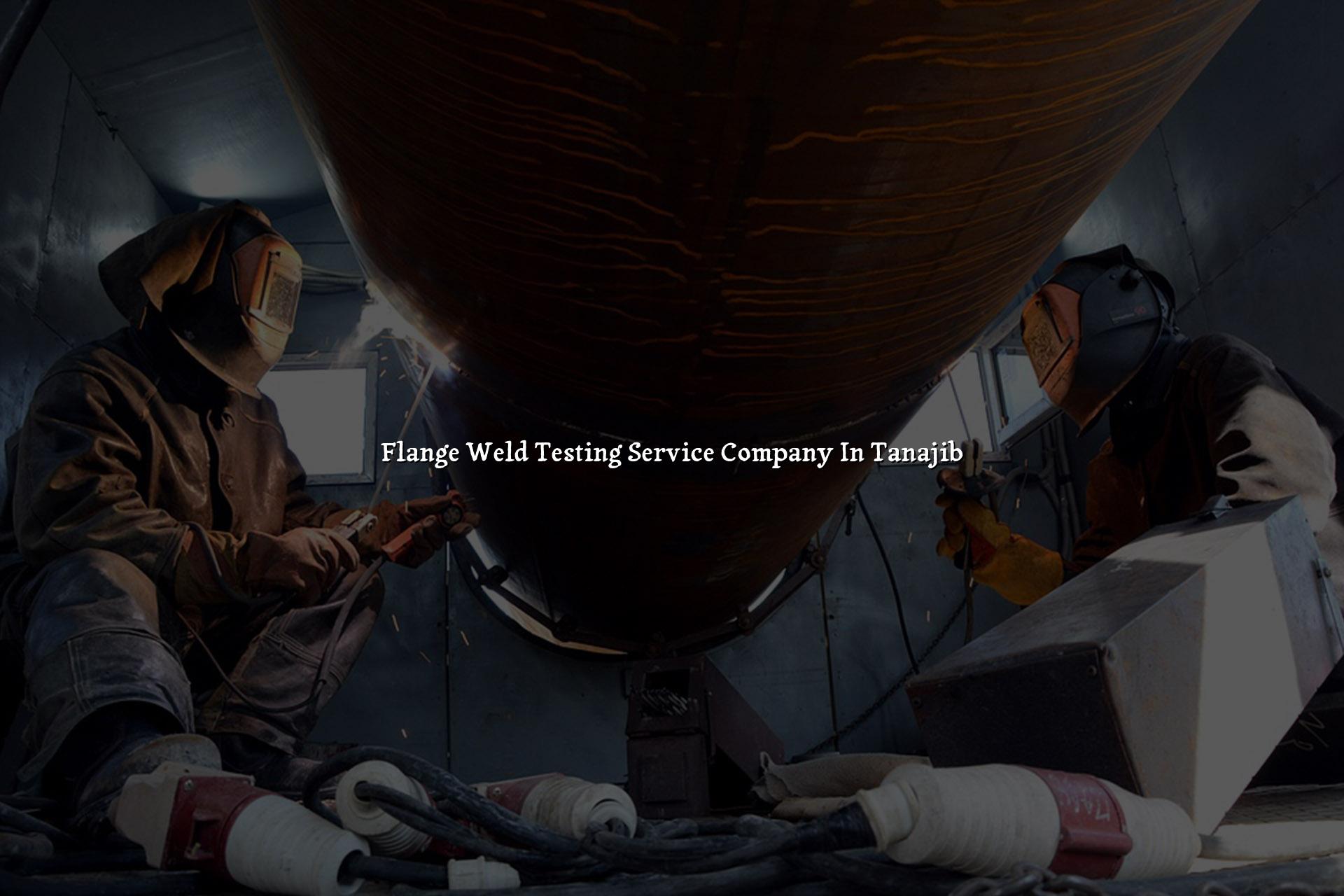
Flange weld testing service company in Tanajib support starts with one thing: knowing the joint is sound before a leak, shutdown or rework catches you out. We check weld condition, alignment, fit-up and test records so your piping team can make a clean decision on the next step.
Tanajib work often sits close to oil and gas, utilities and maintenance windows that don't leave much room for guesswork. Our team brings onsite testing, mobile-lab capability and practical repair support for projects across Saudi Arabia, with the same ISO/IEC 17025:2017 discipline we use on critical jobs in India and the wider Middle East.
Flange Weld Testing Service Company in Tanajib for critical piping
When a flange weld is part of a line that carries process media, utility water, air or hydrotest pressure, the testing scope has to match the job, not just the paperwork. We look at weld quality, joint preparation, dimensional fit, leakage risk and the method that fits the system: visual inspection, NDT, hydrotesting, bolt-up checks and post-repair verification where needed. For Tanajib sites, that usually means planning around live plant constraints, access limits and the kind of documentation QA teams expect from an ISO/IEC 17025:2017-minded provider.
What we check before the line is released
Our first pass is practical. We confirm the flange face condition, weld profile, root area where accessible, fit-up, gasket seating area and any sign of distortion from welding heat. If the joint needs more than a visual look, we add the right test method and keep the record clear enough for inspection teams, maintenance supervisors and client representatives to follow without chasing the fitter for details.
Why Tanajib jobs need a field-ready team
Remote industrial work doesn't forgive delays. A site in Tanajib may need mobile calibration, field verification, lifting support, bolt tensioning or even mechanical repair alongside the weld test. That's where our setup helps: we can move with the job, handle instruments that need controlled conditions, and keep the work aligned with the wider project schedule instead of forcing you to split the job across multiple vendors.
- Review the weld and line data — we start with drawings, line class, material details and the test requirement so the method fits the service.
- Inspect the physical joint — our technician checks flange alignment, weld finish, obvious defects and any sign of damage from handling or tightening.
- Select the test method — visual, NDT, hydrotesting or a combination is chosen based on the line duty and client need.
- Record results and next actions — we issue clear findings so your team knows what passed, what needs rework and what should be retested.
- Keep weld and flange surfaces clean before testing starts.
- Use the same tagged instrument set through the job for traceable records.
- Check bolt-up and gasket seating after any welding correction.
- Keep hydrotest and inspection records together for handover.
Typical flange weld testing methods and where they fit
| Method | Best use | Typical field focus |
|---|---|---|
| Visual inspection | First-pass weld review | Face condition, weld bead, alignment, obvious surface issues |
| Liquid penetrant / NDT | Surface-breaking defect checks | Cracks, porosity and other surface indications on accessible areas |
| Hydrotesting | Pressure integrity verification | Leak detection, hold performance and joint response under test pressure |
| Bolt-up verification | After welding or repair | Flange seating, bolt pattern, tightening sequence and final readiness |
How to keep flange weld testing clean and defensible
Good testing isn't just about finding a defect. It's about creating a record that stands up in front of the client, the maintenance lead and the inspection file later on. We keep the traceability chain intact, use controlled instruments where calibration matters, and follow a simple rule we've learned on site in Saudi Arabia and India: if the finding can't be explained clearly, it isn't ready for handover.
What the paperwork should show
Your report should identify the item, the test scope, the method used, the result and any corrective action. For flange weld jobs in Tanajib, that usually matters more than people expect, especially when the line is part of a wider turnaround or shutdown package. If the job is under tight QA control, you'll want the evidence grouped with inspection and commissioning notes so nothing gets lost between teams.
Built for oil and gas field conditions
We support piping and mechanical work where access is awkward, the schedule is tight and the consequence of a bad joint is expensive. That includes adjacent services like bolt torquing, hydrotesting, flange facing and repair support when the weld test shows the joint needs rework before release.
Why teams ask for a single vendor instead of splitting the job
Fewer handoffs
One team can inspect, test, verify and report without the job bouncing between welding, QA and mechanical contractors.
Better traceability
When calibration, inspection and field records sit under one workflow, it becomes easier to defend the result later.
More site flexibility
Mobile calibration and pickup options help when instruments or joints need special handling before they can be released.
How Mayon Industrial Services Can Help
We support flange weld testing with the same mix of field experience and controlled measurement discipline we use for calibration, mechanical services, inspection and commissioning. If your Tanajib job needs visual checks, NDT, hydrotesting, bolt-up verification or repair follow-up, we can keep the work moving without losing traceability. Talk to us if you want one team to handle the technical side and the reporting side together.
Call +91 99447 80844 (India) or +966 59 633 8012 (Saudi Arabia), email services@mayonservices.com, or message us on WhatsApp.
Frequently Asked Questions
We do, through Mayon Industrial Services, working with field teams that need weld checks, pressure testing and clear inspection records. For Tanajib projects, the main point is to match the test method to the line duty and the client's QA file. That keeps the handover simple and avoids repeat work.
Most jobs start with visual inspection, then move to NDT or hydrotesting if the line needs a stronger integrity check. We also look at bolt-up and flange alignment after repair, because a weld can pass visually and still cause trouble at final tightening.
Yes, we can support onsite work with mobile calibration and field-ready testing setups. That's useful when the job needs controlled instruments, special handling or pickup and delivery for items that shouldn't be moved casually. It helps keep the work inside one chain of responsibility.
We can help with more than testing. Our mechanical services cover items like flange work, hydrotesting, bolt torquing and related repair support, so if the joint needs correction before release, we can stay with the job until it is ready for retest. That saves time when the site has a narrow shutdown window.
Ask for a report that shows the item tested, the method used, the result and any follow-up action. If calibration was part of the job, keep the instrument traceability records with the report. That way your QA file tells one clear story instead of three half-finished ones.
Ready to put a proper check on the joint?
If your Tanajib project needs dependable flange weld testing, we can help you get from inspection to handover with fewer surprises and better records.
Contact MayonFor teams that need a flange weld testing service company in Tanajib, the real value is simple: clear testing, traceable records and practical support when the joint needs action. Mayon Industrial Services is set up for that kind of work, and we're ready when your site is.